 EN
 Romana
The UEFA Nations League is the official competition between European national teams, played in the autumn every two years. The 54 teams are split into leagues by strength, play home-and-away in small groups, and at the end some are promoted, some are relegated, and the best sides in League A play for the trophy. It also gives teams a second route to the major tournaments.
Below you'll find how it works in practice, what's different about the 2026-27 edition, and what's left for Romania. The picture isn't pretty: four games, four defeats, 3 goals scored and 13 conceded going into the last two rounds, with Poland at home on 14 November and Bosnia and Herzegovina away on the 17th.
The Nations League in a nutshell
UEFA launched the competition in 2018 to give the autumn international matches some stakes, since until then most of them were friendlies. Teams are placed in leagues based on their results in the previous edition, play home-and-away in groups of four, and at the end some go up and some go down. Think of it as a domestic league where one "season" lasts two years.
Friendlies haven't disappeared completely. Romania played two in June, 1-1 against Georgia and 2-1 against Wales, the first games of Gheorghe Hagi's return as head coach. But the autumn now belongs to the Nations League.
How the Nations League works: leagues, groups, trophy
League A has 16 teams, the elite: Spain, France, England, Germany, and holders Portugal. League B also has 16, and this is where Romania plays after winning their League C group in 2024-25 with six wins out of six. League C has 16 teams, including Bulgaria, Slovakia, Moldova and San Marino. League D has just 6: Andorra, Liechtenstein, Malta, Gibraltar, Lithuania and Azerbaijan. Russia is suspended.
Leagues A, B and C each have four groups of four, so every team plays six games. League D has two groups of three and only four games per team. The first four matchdays were played between 24 September and 6 October, and the last two are in November.
The trophy is decided in League A only. The top two in each group go into two-legged quarter-finals at the end of March 2027. The four winners reach the finals in June 2027: semi-finals, a third-place match and the final.
Why this edition is different
From 2028-29, UEFA is moving to three leagues of 18 teams each, and League D disappears. To make the numbers work, the promotion and relegation rules for 2026-27 were written specifically for the transition. In League B, where Romania plays, it looks like this:
- 1st place is promoted straight to League A.
- 2nd place plays a two-legged play-off against a League A team.
- 3rd place stays in League B.
- 4th place plays a two-legged play-off against a League C runner-up, between 25 and 30 March 2027. The winner stays in League B, the loser drops to League C.
In other words, this time nobody in League B is relegated directly. For Romania, that's the only good news of the autumn.
What's really at stake
Beyond promotion and relegation, the Nations League is a safety net for the major tournaments. That's exactly how Romania reached the play-offs for the 2026 World Cup, which they lost 1-0 to Türkiye in Istanbul in March. A similar link is expected for EURO 2028, although UEFA hasn't formally approved the qualifying format yet.
There's one more detail that matters: the overall Nations League ranking is used to seed the pots for draws. Romania went into February's draw in Pot 3 of League B precisely because of their results in the previous edition.
Group B4: how Romania ended up on zero points
The group looked tough from the moment it was drawn: Sweden and Bosnia were coming off the World Cup, and Poland have Lewandowski. The results confirmed it.
- 25 September, Solna: Sweden 2-1 Romania. Hagi's first competitive game back. Dennis Man scored Romania's goal.
- 28 September, Arena Națională: Romania 2-4 Bosnia and Herzegovina. Played behind closed doors. Bosnia scored three times in the first half, and the comeback after the break fell short.
- 2 October, Warsaw: Poland 6-0 Romania. The worst night of the autumn. Otto Hindrich made his competitive debut in goal, and Romania finished with ten men.
- 5 October, Arena Națională: Romania 0-1 Sweden. The goal came from Viktor Gyökeres, who became the first player in the competition's history to score in seven consecutive Nations League games.
Table after 4 matchdays
| Pos | Team | P | W | D | L | Goals | Pts |
|---|---|---|---|---|---|---|---|
| 1 | Sweden | 4 | 3 | 1 | 0 | 7-3 | 10 |
| 2 | Bosnia and Herzegovina | 4 | 2 | 2 | 0 | 6-3 | 8 |
| 3 | Poland | 4 | 1 | 1 | 2 | 7-4 | 4 |
| 4 | Romania | 4 | 0 | 0 | 4 | 3-13 | 0 |
After the Warsaw game, Hagi admitted he had experimented too much and said that stops in November: he wants two good players per position and a team that holds together, not a new setup every match.
What can still happen in November
| Matchday | Date (Romanian time) | Match | Venue |
|---|---|---|---|
| 5 | Saturday 14 November, 21:45 | Romania – Poland | Arena Națională, Bucharest |
| 6 | Tuesday 17 November, 21:45 | Bosnia and Herzegovina – Romania | Bilino Polje, Zenica |
The maths is simple and not very kind. Romania can reach 6 points at most, so Sweden and Bosnia are already out of reach. The only team they can still catch is Poland, on 4 points. To finish third and avoid the play-off, Romania have to beat both Poland and Bosnia, and Poland must not win their last game, at home to Sweden.
More realistically, Romania will play the relegation play-off in March 2027 against one of the League C runners-up. That makes November mostly a test: if Hagi finds a stable team now, he goes into the play-off with something built, not another experiment.
Who's in goal for Romania
On 25 October, Hagi named a preliminary list of players based at clubs abroad, with domestic Superliga players to be added later. The goalkeepers on the list:
| Goalkeeper | Club | Caps |
|---|---|---|
| Ionuț Radu (29) | Celta Vigo | 11 |
| Otto Hindrich | Legia Warsaw | 4 |
| Valentin Cojocaru (31) | Pogoń Szczecin | 0 |
Radu is coming off a very strong season in Spain: he played all 38 La Liga games for Celta in 2025-26, starting every one of them. He's expected to be first choice. Hindrich has already played one group game, the one in Warsaw, while Cojocaru is still waiting for his first cap.
Cold nights, latex and November football
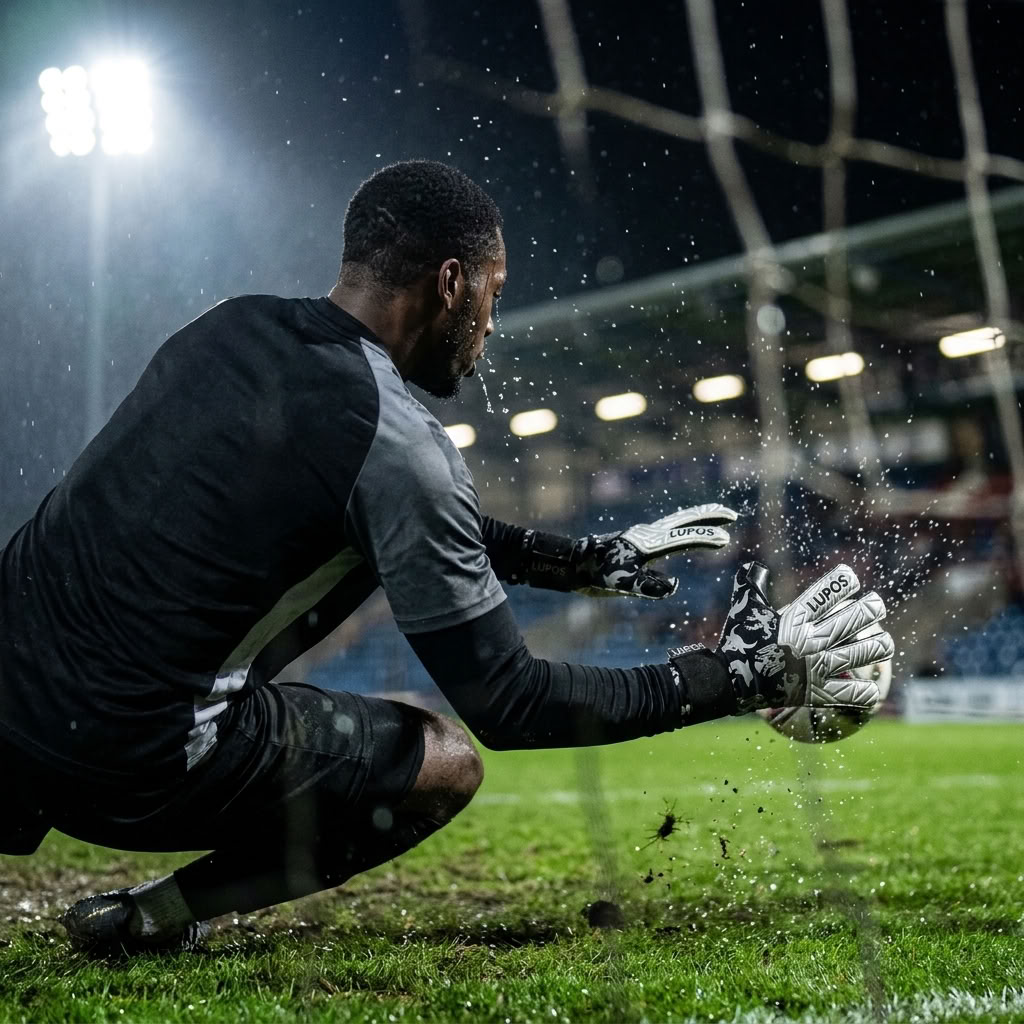
Both games kick off at 21:45 in November, so they'll be played in the cold. For a goalkeeper that means something very concrete: latex stiffens as the temperature drops, and the ball doesn't "stick" the same way. Keepers, from international level down to Sunday league, usually do a few things:
- wet the palms before the warm-up and again before kick-off, so the latex gets its grip back;
- keep the gloves warm between the warm-up and kick-off, in the bag or inside a jacket, not on a cold bench;
- wear a base layer under the jersey and tights on the legs, to stay mobile when diving;
- choose a softer latex, which keeps a better feel on the ball in the cold.
We've covered this in more detail in our guide to goalkeeper gloves in winter and in the article on soft vs. hard latex.
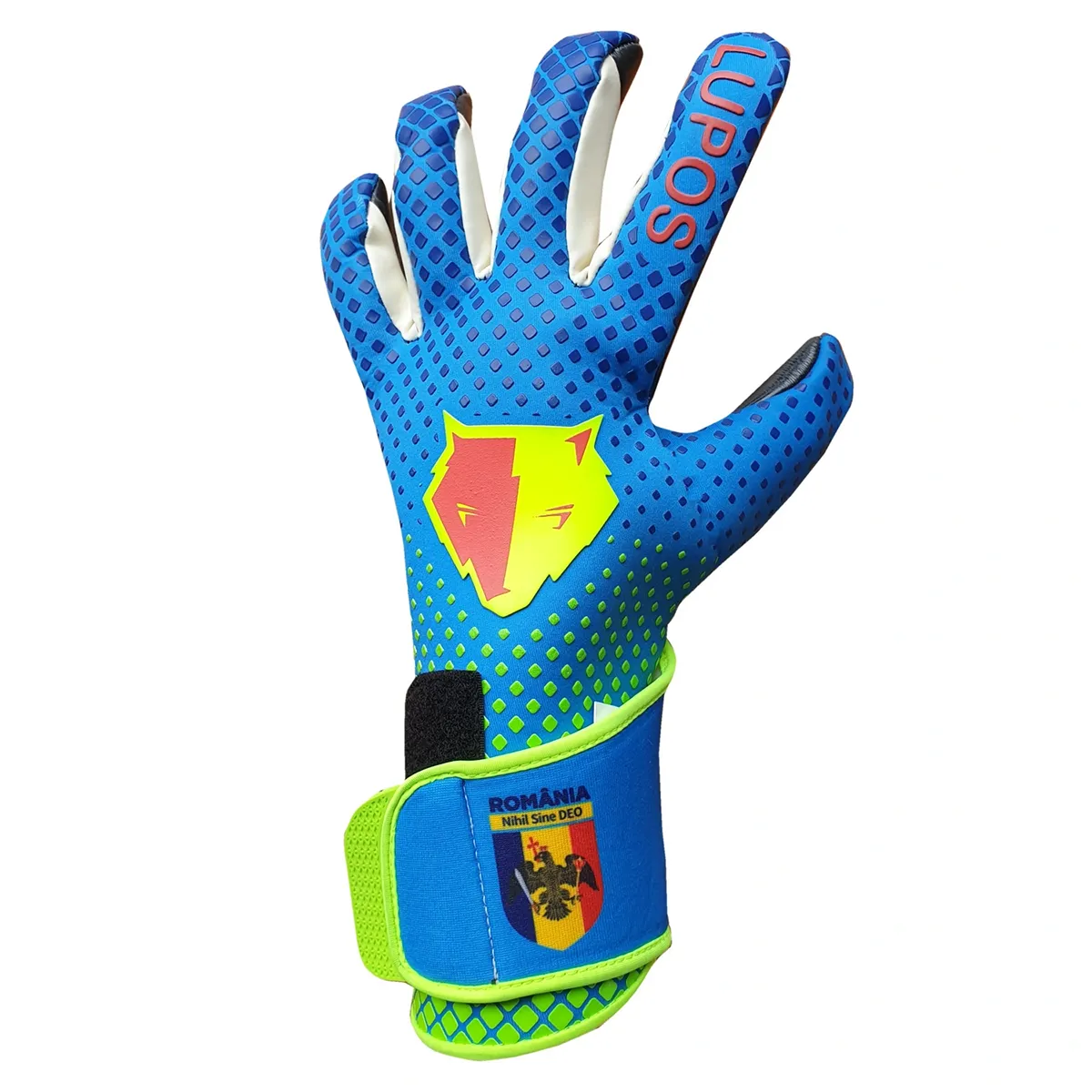
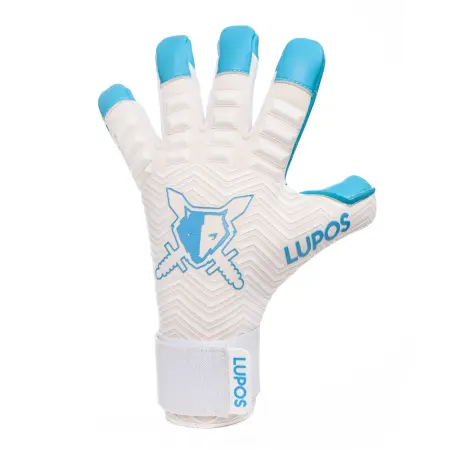
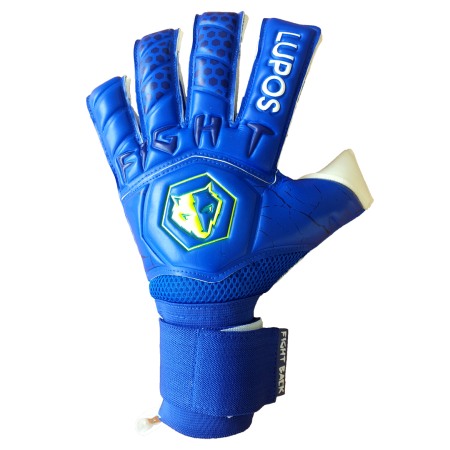
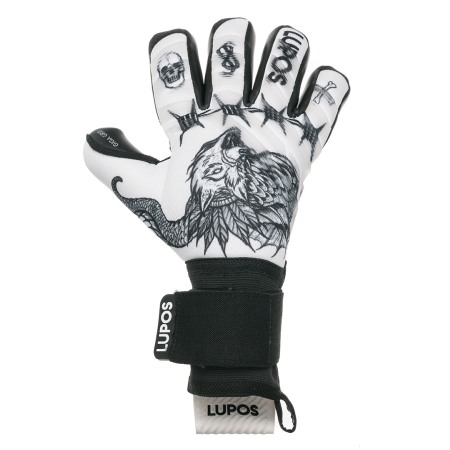
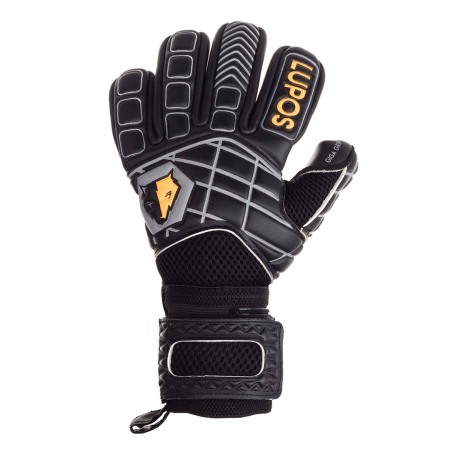
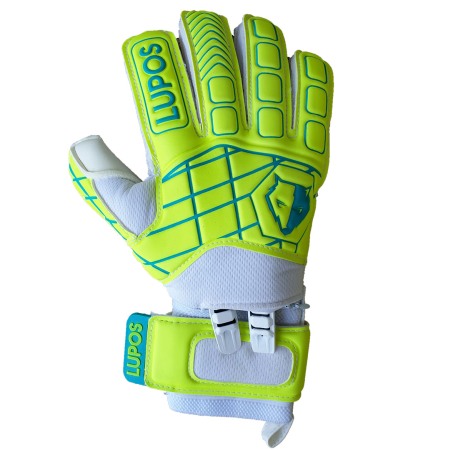
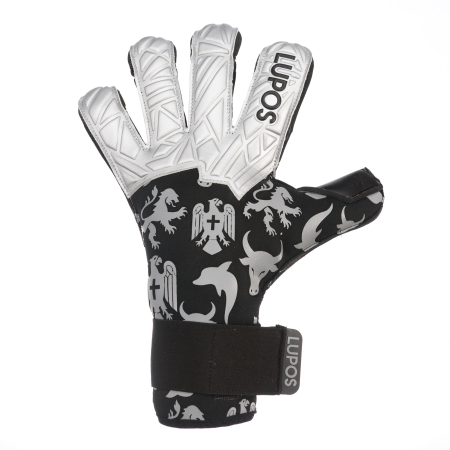
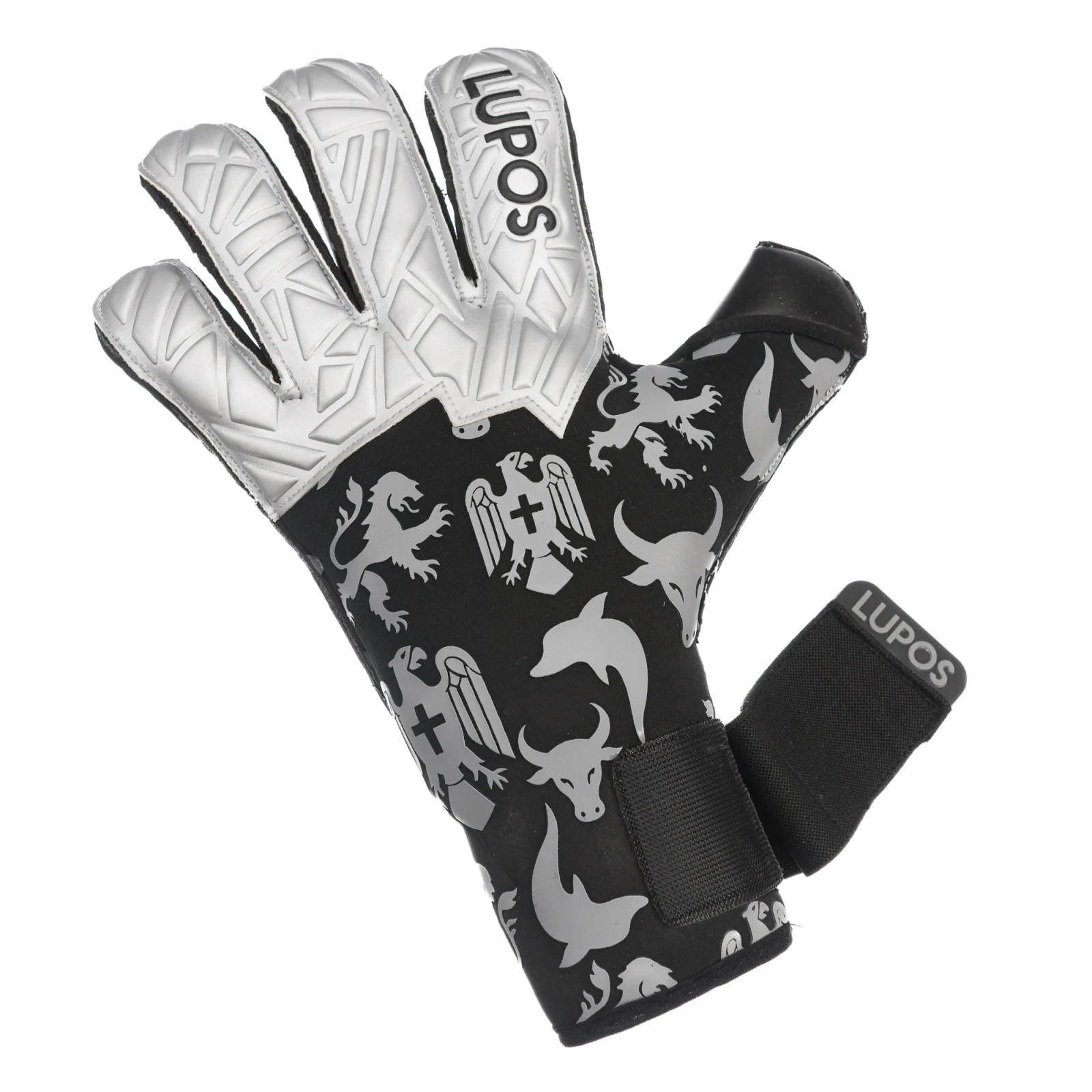
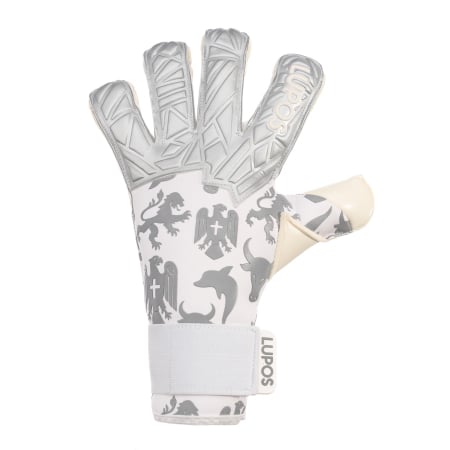
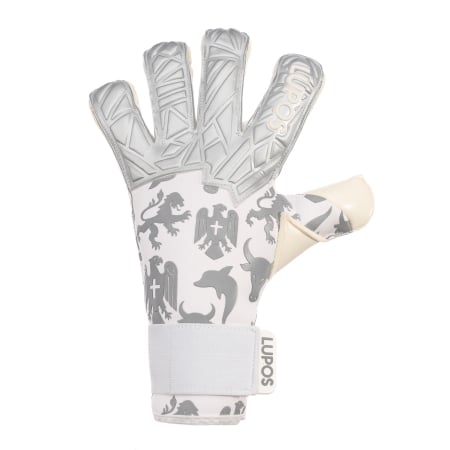
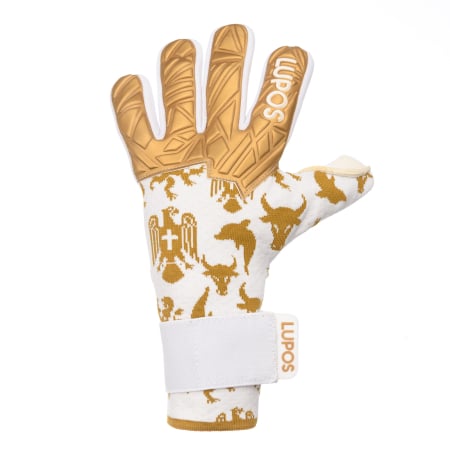
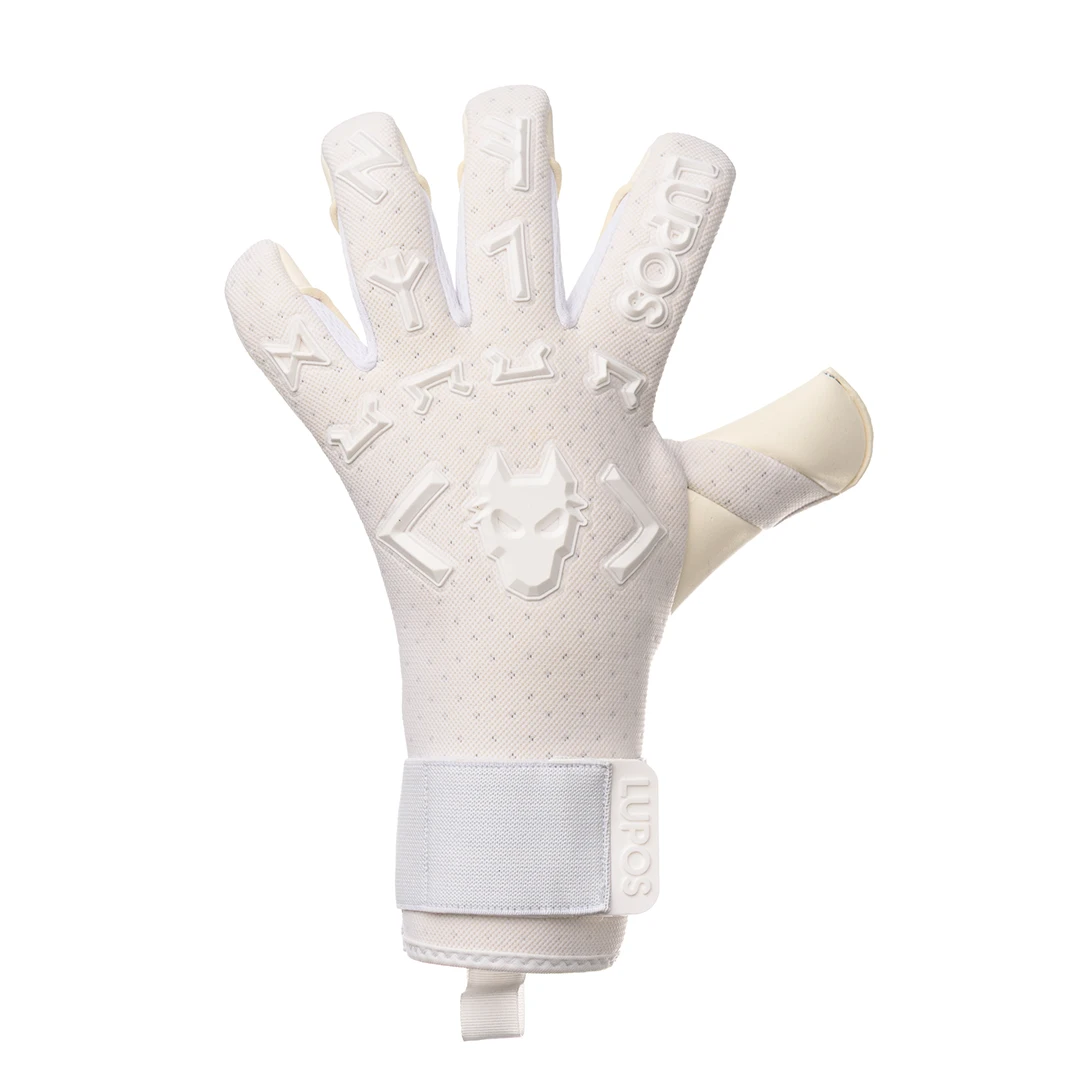
If you're also playing evening games or training sessions this time of year, LUPOS has gloves with Contact and Giga Grip latex, in Negative Cut and Roll Finger cuts, plus base layers and compression tights to wear under your kit.
More from the blog
- Goalkeeper Gloves in Winter: Care and Grip in the Cold
- Soft or hard latex: how latex affects goalkeeper glove performance in the rain
- Roll Finger vs. Negative Cut goalkeeper gloves: which is right for you?
- Goalkeeper gloves for matches vs. training
- Goalkeeper gear for artificial turf vs. natural grass
- Line keeper or sweeper keeper? How to choose the right gloves
- How to become a better goalkeeper: training tips
The short version, before 14 November
The Nations League isn't just a set of friendlies with a table attached. It matters for seeding, for the route to major tournaments and, in this edition, for which league you play in from 2028. Romania are bottom of their group and will most likely play the March play-off. The question is whether Hagi gets there with a team he can rely on.
Sources: UEFA.com, Wikipedia (2026–27 UEFA Nations League), FourFourTwo, Flashscore.ro, Euronews.ro, Sport.ro, Spotmedia.ro, The Analyst.