 EN
EN  Romana
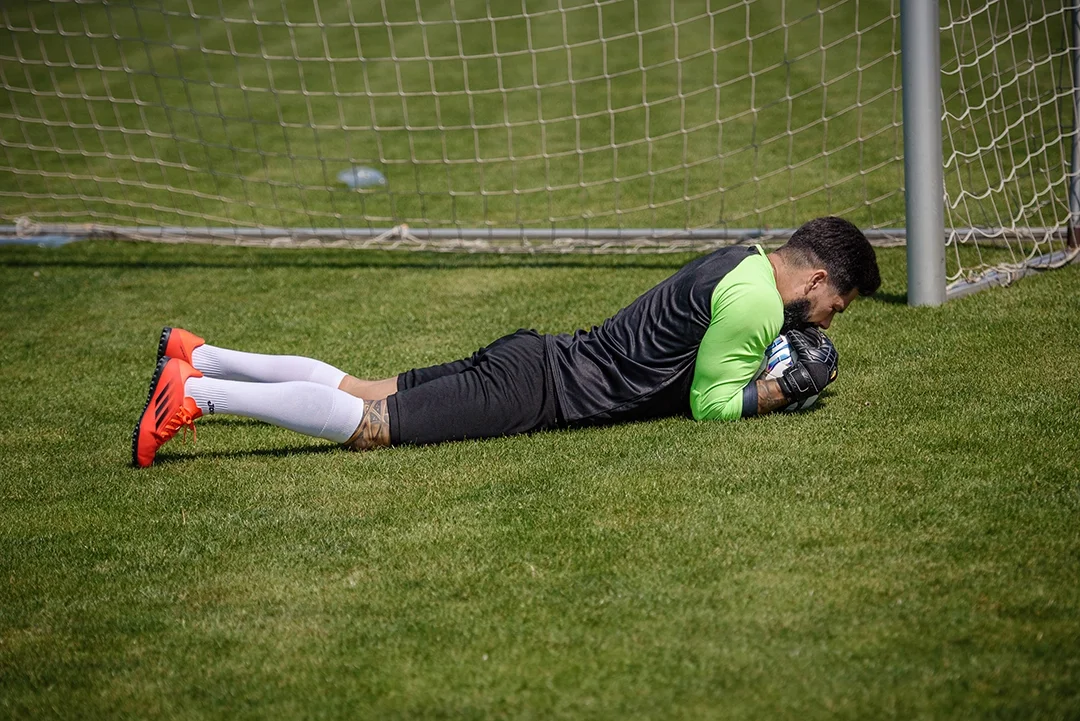
In modern football, the role of the goalkeeper has changed a lot. We are no longer just talking about the player who defends the goal and intervenes in shots. Today, a goalkeeper can be a true defensive leader, an excellent game organizer or even the first builder of the attacking phase.
That is why the choice of goalkeeper gloves should not be made only according to size, design or brand preferences. An often ignored aspect is the playing style. A goalkeeper who stays well on the goal line and relies on quick reflexes has different needs than a sweeper keeper, that is, the goalkeeper who often leaves the box, plays advanced and actively participates in the construction.
In this article, you will learn how to choose the right goalkeeper gloves according to your playing style, so that you achieve a better balance between grip, control, protection and freedom of movement.
Why your playing style matters when choosing goalkeeper gloves
Many goalkeepers choose their gloves based solely on two criteria: how well they “stick” to the ball and how good they look. In reality, the right choice is more complex.
A pair of gloves should suit the way you play:
• how often you cross the ball
• how much you use your foot to build up the ball
• how aggressively you attack the ball in duels
• whether you prefer a secure grip or maximum mobility
• whether you play more on reflexes, anticipation or positional play
For example, a goalkeeper who plays almost constantly near the goal line will appreciate stability and secure contact with the ball more, while a sweeper keeper often needs flexibility, comfort and quick reaction to changes in pace.
In short, there is no single “perfect” pair for all goalkeepers. There are just gloves that are better suited to your style.
What do line goalkeeper and sweeper keeper actually mean?
Before choosing the right gloves, it is worth understanding the difference between the two profiles.
Line goalkeeper
The line goalkeeper is that player who excels in particular in:
• shot interventions
• quick reflexes from close range
• correct positioning between the posts
• playing crosses and high balls
• security in blocking and clearing
This type of goalkeeper is often very strong in classic duels in the box and generally seeks maximum security when contacting the ball.
Sweeper keeper
The sweeper keeper is a modern goalkeeper, actively involved in the team's play. He:
• plays more advanced in front of the goal
• often goes outside the box
• intervenes on balls behind the defensive line
• participates in the build-up and passes
• must react quickly to transitions
This type of goalkeeper needs more mobility, ease and natural hand control, because his role involves a lot of dynamics and many changes of pace.
What a line goalkeeper should look for in a pair of gloves
If your style is closer to the classic goalkeeper, with an emphasis on reflexes, positioning and safety in the box, then the ideal gloves should emphasize stability and control when gripping.
1. Very good grip, especially on frontal contact
For a line goalkeeper, a secure grip is essential. Quick interventions on shots, short corner blocks or deflected balls require a palm that gives confidence.
What matters:
• latex with good grip in normal playing conditions
• clear feeling of contact with the ball
• predictable grip on catches and saves
2. More structure and support
Line goalkeepers often prefer gloves that offer a more stable feeling in the hand, especially for:
• powerful balls
• crosses
• aerial duels
• short-range shots
A slightly more “solid” construction can help with confidence, especially if you often play in intense matches.
3. Balanced finger and wrist protection
Not all goalies need a finger save or a very stiff glove, but a line goalie will usually appreciate:
• a good wrist strap closure
• decent wrist support
• a backhand that offers stability on punches and blocks
4. A fit that inspires confidence, not necessarily ultra-tight
Some line goalies prefer a very tight fit, but many feel more comfortable with a glove that offers a little more “presence” in the palm and fingers, without being too baggy.
What a sweeper keeper should look for in a pair of gloves
If you are the type of goalie who plays advanced, gets out of the goal quickly and actively participates in the build-up, then the choice changes. In this case, the priority is not only pure grip, but also mobility and naturalness of movement.
1. High flexibility
The sweeper keeper must be able to react quickly to:
• deep balls
• one-on-one duels
• sudden changes of direction
• interventions outside the box
Therefore, a glove that is too stiff can become uncomfortable. It is preferable to have one that:
• fits well on the hand
• allows natural movements
• does not limit the flexion of the fingers
2. Fit closer to the hand
A modern goalkeeper is looking for athe feeling of a “second skin”. This means:
• more direct contact with the ball
• better control in quick interventions
• clearer perception in duels and low balls
As a rule, models with a closer fit to the hand are more appreciated by goalkeepers who play actively and aggressively.
3. Light weight and comfort throughout the match
A sweeper keeper does a lot of sprinting, repositioning and exits. A heavy or too bulky glove can become tiring.
Ideally, choose:
• lightweight materials
• an airy construction
• a flexible backhand
• a secure, but not excessively rigid closure
4. Good control in dynamic situations, not just a static grip
Many goalkeepers test gloves by just “sticking” the ball in their palm. For the sweeper keeper, it's more important how the glove feels when:
• you're throwing yourself at the opponent's feet
• you're recovering quickly from a tackle
• you're changing direction in a sprint
• you're immediately back on the goal line
In other words, look for a glove that moves with your hand, not one that just offers good grip on first touch.
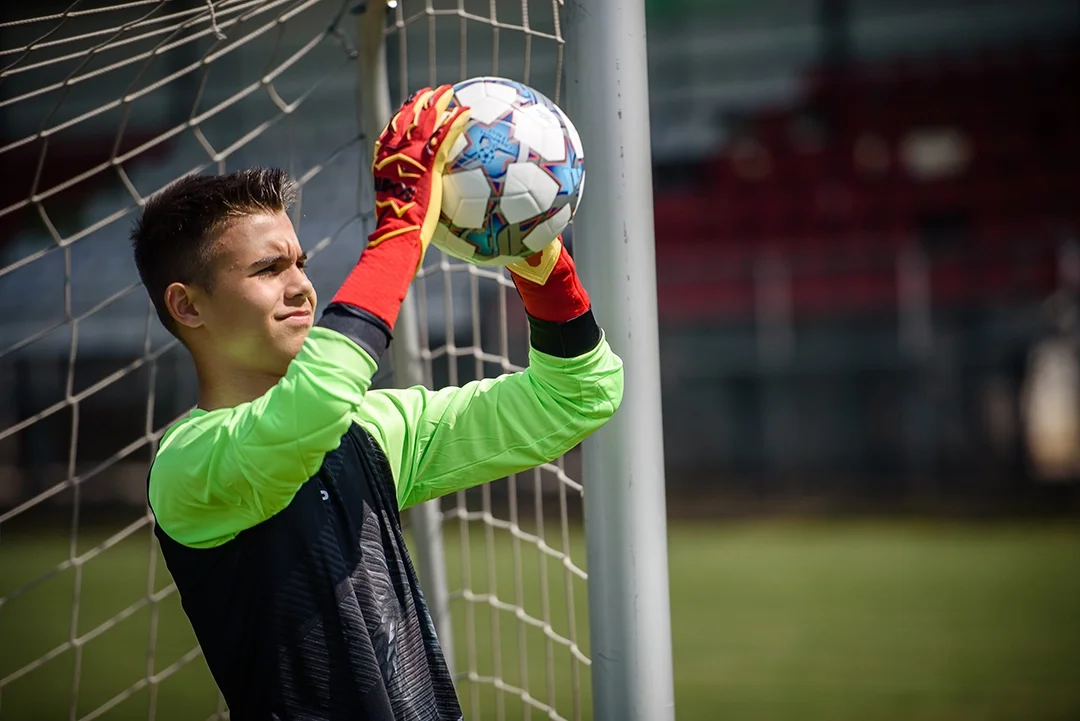
But what if you're a reflex or shot-stopper keeper?
Many goalies don't quite fit the mold of either the classic lineman or the sweeper keeper. A very common profile is that of a shot-stopper, i.e. a goalkeeper oriented towards:
• fast reflexes
• spectacular interventions
• reactions in short space
• saves on close-range executions
For this profile, the ideal is usually a balance between:
• very good grip
• close fit to the hand
• decent flexibility
• natural feeling on contact
Here, very bulky gloves can seem too slow, and extremely minimalist ones can sometimes sacrifice the feeling of safety. The solution is often a balanced model, which combines:
• high-performance palm
• sufficiently flexible backhand
• secure closure
• modern, but not excessively rigid construction
What type of feeling do you prefer in your hand: safety or freedom?
A simple way to figure out which gloves suit you is to honestly answer a question:
Do you feel better when the glove “holds” your hand or when you almost forget you are wearing it?
If you prefer:
• feeling of stability
• confidence on high balls
• clear structure in the palm and fingers
• safety in boxing and duels
…then you are closer to the profile of a line goalkeeper.
If you prefer:
• maximum mobility
• natural feeling
• very close fit to the hand
• freedom of movement and quick reaction
…then you are closer to the profile of a sweeper keeper.
This simple question eliminates many wrong choices.
The mistake that many goalkeepers make when choosing their gloves
One of the most common mistakes is choosing gloves only after using:
• a favorite goalkeeper from big football
• a popular model on social media
• an attractive design
• someone else's generic recommendation
The problem is that your playing style may be completely different.
A great model for a goalkeeper who plays very advanced and aggressively may not be the best choice for someone who relies more on:
• classic blocks
• cross control
• catching security
• tackling from position
The right choice starts with the question:
How do I actually play?
Not:
What does everyone else wear?
How to figure out what type of goalkeeper you are: quick test
If you want to quickly assess yourself, look at your last few matches and see which of the statements below best describe you.
You are more of a line goalkeeper if:
• you feel very comfortable between the posts
• you have good reflexes for close shots
• you prefer to remain disciplined in your position
• you come out selectively, not very aggressively, outside the box
• you emphasize safety and control
You are more of a sweeper keeper if:
• you play frequently advanced
• you come out quickly for balls behind the defense
• you communicate a lot with the defensive line
• you actively participate in the construction
• you like to anticipate and “read” the game early
You are more of a shot-stopper if:
• you rely on quick reflexes and reactions
• you excel at deflected balls and close shots
• you have good timing for short interventions
• you like to compensate with reaction speed
In reality, most goalkeepers are a mix. The important thing is to identify what you do most often in the match.
How to choose concretely: 3 simple criteria before buying
Regardless of the model, before buying a new pair of gloves, check these 3 criteria:
1. What do you do most often in the match?
• many shots and crosses → prioritize stability and safety
• many exits and advanced play → prioritize flexibility and close fit
• many reactive interventions → seek a balance between grip and mobility
2. What bothers you about your current gloves?
• do you feel that they are too stiff?
• do you feel that they are too “empty” and do not inspire confidence?
• do your hand slip inside?
• are they too heavy?
• do you feel that you are late for interventions?
Here you will often find the real answer.
3. How do you feel after 90 minutes?
A good glove does not have to be impressive only in the first 10 minutes. Tit must remain comfortable and effective until the end.
If after a match you feel:
• unnecessary fatigue in your palms
• stiffness in your fingers
• discomfort in your wrist
• lack of confidence in your grip
…you probably haven’t chosen the right model for your style.
There is no such thing as the perfect glove. There is a glove that is right for you
One of the most useful things a goalkeeper can understand is this:
there is no one ideal pair for everyone.
There are just different combinations of:
• grip
• durability
• flexibility
• protection
• fit
• hand feel
And the right combination depends directly on:
• your playing style
• the level you play at
• the surface you play on
• the frequency of training and matches
• your real preferences, not just the “trendy” ones
The better you understand your goalkeeper profile, the better and more effective choices you will make in the long run.
Conclusion
If you are a line goalkeeper, you will usually appreciate gloves that offer:
• stability
• grip security
• good support
• confidence in duels and high balls
If you are a sweeper keeper, you will especially look for:
• flexibility
• close fit to the hand
• comfort in movement
• quick reaction in dynamic situations
And if you are a shot-stopper, you most likely need a balanced model, which combines:
• good grip
• natural control
• freedom of movement
• sufficient stability when tackling
Before choosing your next pair of gloves, don't just ask yourself what model looks good or what someone else is wearing. Ask yourself first:
What kind of goalkeeper am I?
This is where the right choice starts.