 EN
EN  Romana
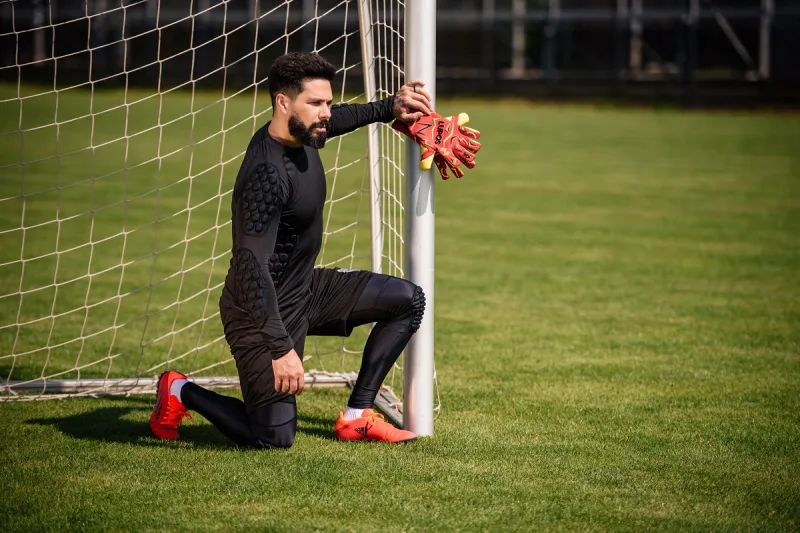
If you play in goal, you already know that every intervention changes the course of a match. A well-trained goalkeeper reads the phases faster, moves efficiently and calmly transmits to the team. Progress comes from training focused on real game situations, repeated constantly and adapted to your level.
This guide for goalkeepers from LuposGK works as a practical, step-by-step plan. You will find concrete exercises, clear explanations and safety recommendations, useful for both children and juniors, as well as amateur or licensed goalkeepers. Use the information as a basis and talk to a coach or sports specialist before starting a new program, especially if you are returning from a break or have had injuries.
1. What does real progress mean for a goalkeeper
A better goalkeeper is not limited to spectacular interventions. He anticipates, communicates and chooses the right position before the opponent finishes. In most cases, good positioning shortens the reaction time and reduces physical effort.
Many goalkeepers focus exclusively on reflexes. This approach leaves important areas like short movement, reading the opponent's body, and deciding to leave the goal uncovered. Fix these areas and you'll see more control in matches, not just isolated saves.
2. Warming Up Properly: The First Step in Every Workout
Warming up prepares your joints and muscular system for the effort. For regular use, set aside 10 to 15 minutes and adjust the intensity to your age and level.
Focus on your ankles, knees, hips, and shoulders. Include controlled rotations, light side steps, and core activations. Add simple ball catches to connect the movement with the technique. If you feel any stiffness or pain, reduce the intensity and talk to your coach.
3. Goal Positioning and Waiting Position
Proper positioning gives you better angles and helps you react faster. Stand on the line between the ball and the center of the goal, then adjust the distance with small steps, without jumping.
The waiting position requires slightly bent knees, weight on the front of the feet and hands in front, at waist level. The head remains up, looking at the ball and the opponent's body. In most cases, delayed reactions occur from an unbalanced position, not from a lack of speed. Practice this posture with every shot in training, even at low intensity.
4. Goalkeeper-specific movement over short distances
Successful interventions start from the first two steps. Work on lateral movements of 2–5 meters, with controlled stops and quick return to position.
Use stakes, markings on the ground, various accessories for soccer training. Start from the waiting position, move sideways and stop stably, without crossing your legs. Keep your torso straight and your gaze straight ahead. For changes of direction, push off with your outside foot and avoid long steps, which reduce your control. This type of training reduces the risk of sprains and improves your reaction to shots from the penalty area.
5. Grip technique and rebound management
A secure grip limits dangerous phases. Start with balls sent to the ground or at medium level, then increase the difficulty. For low shots, lower your center of gravity and form a "W" with your fingers, bringing the ball to your chest. For rebounds, quickly return to position and prepare for the second intervention. A useful exercise consists of controlled shots from 8–10 meters, with the obligation to react immediately to the rebound.
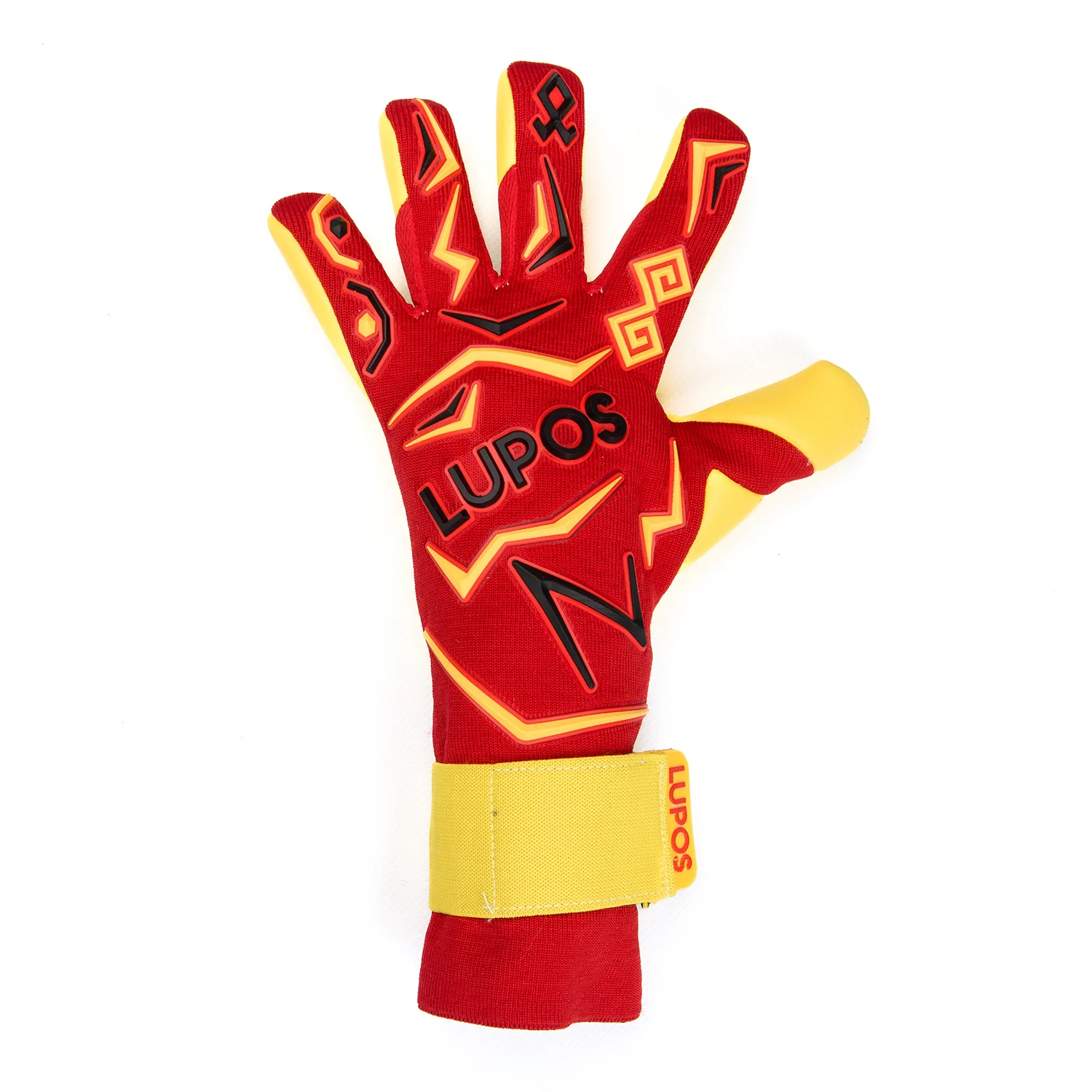
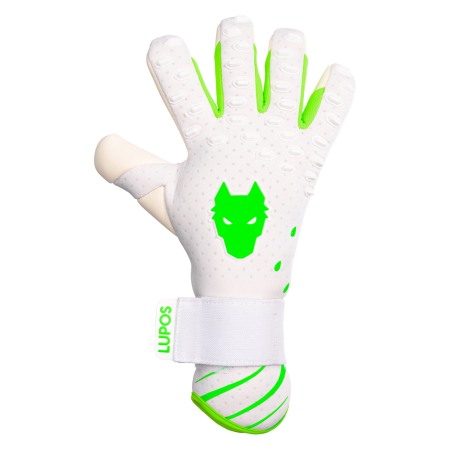
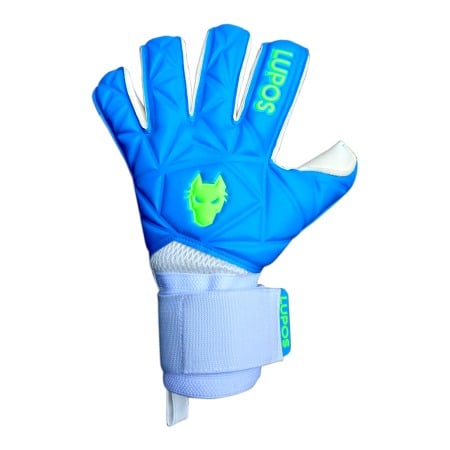
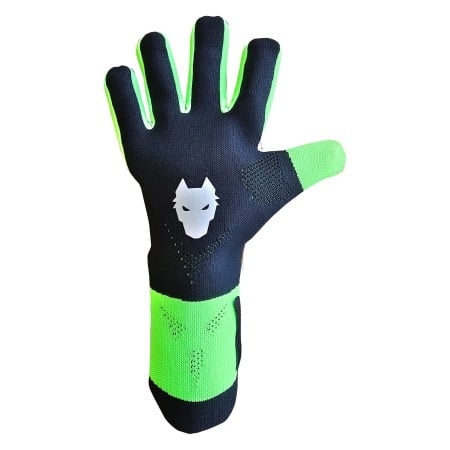
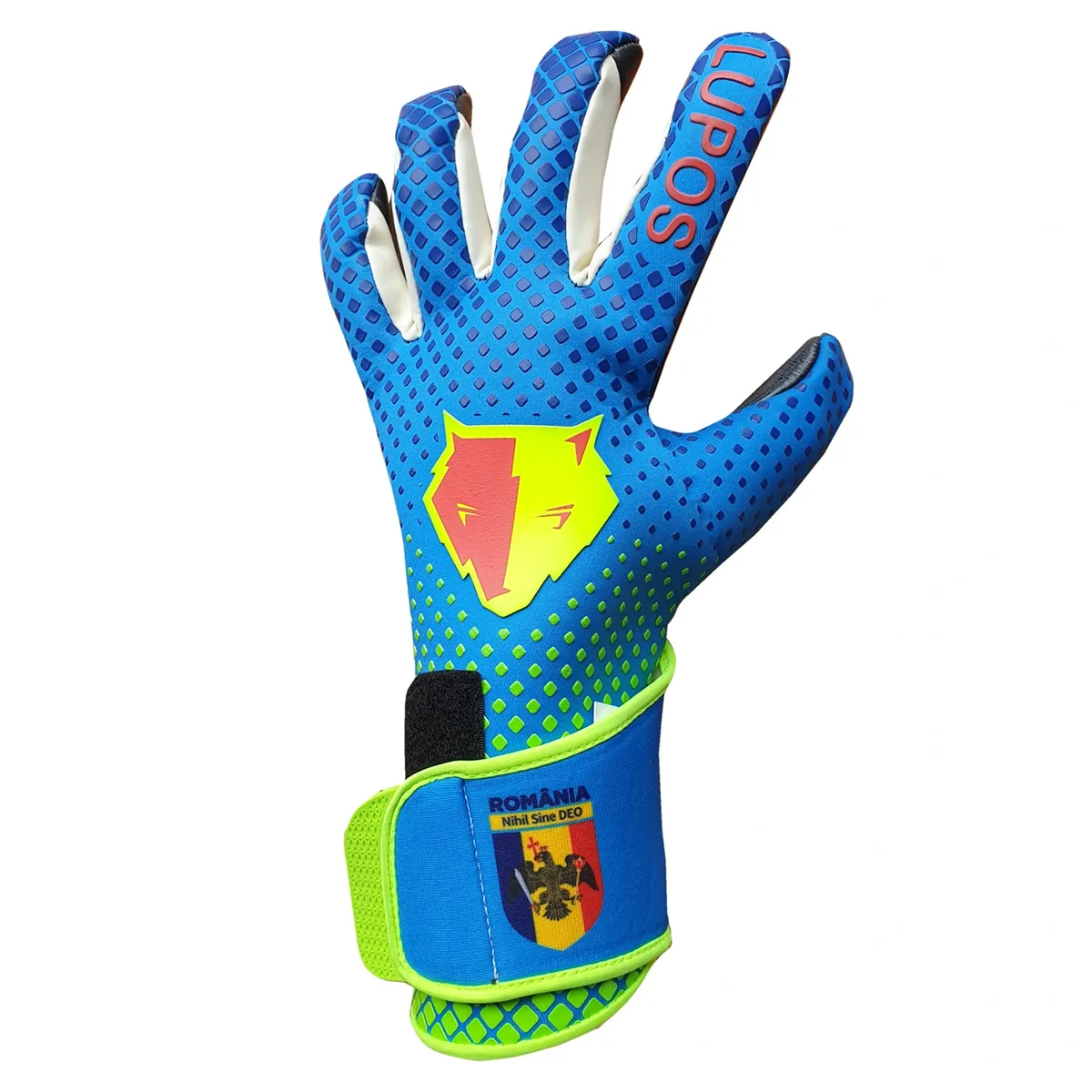
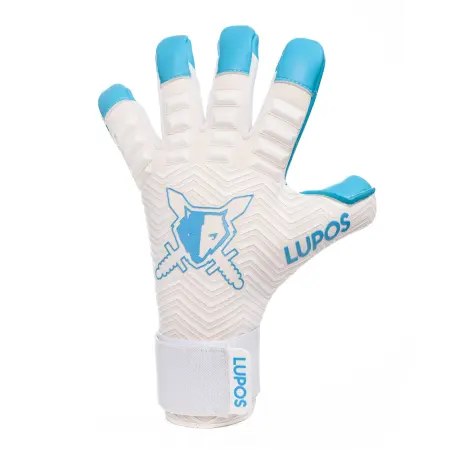
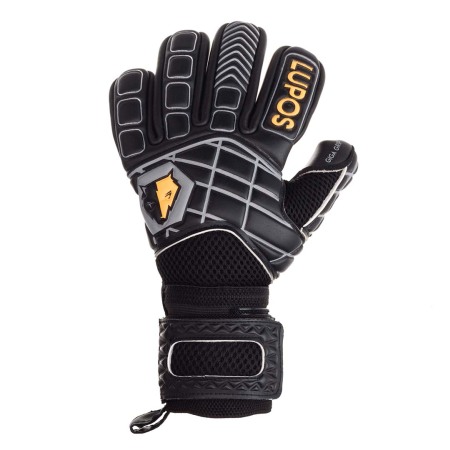
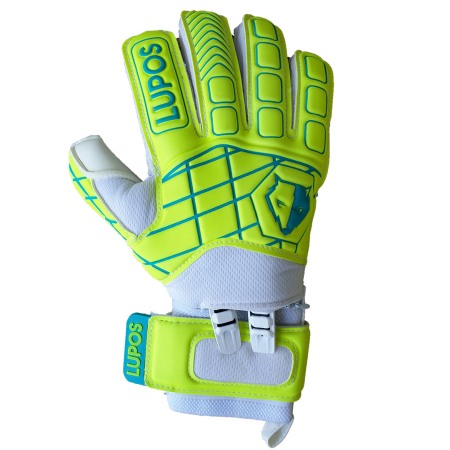
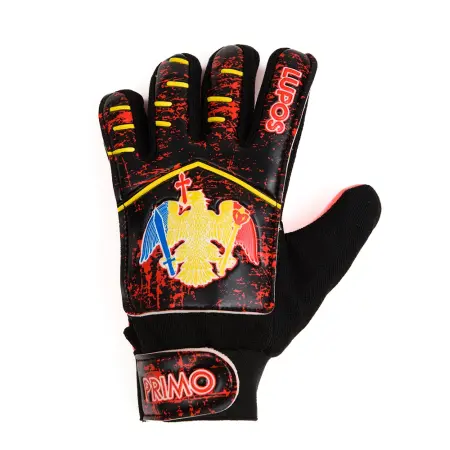
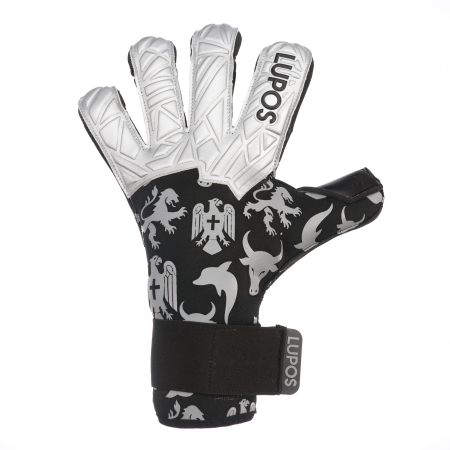
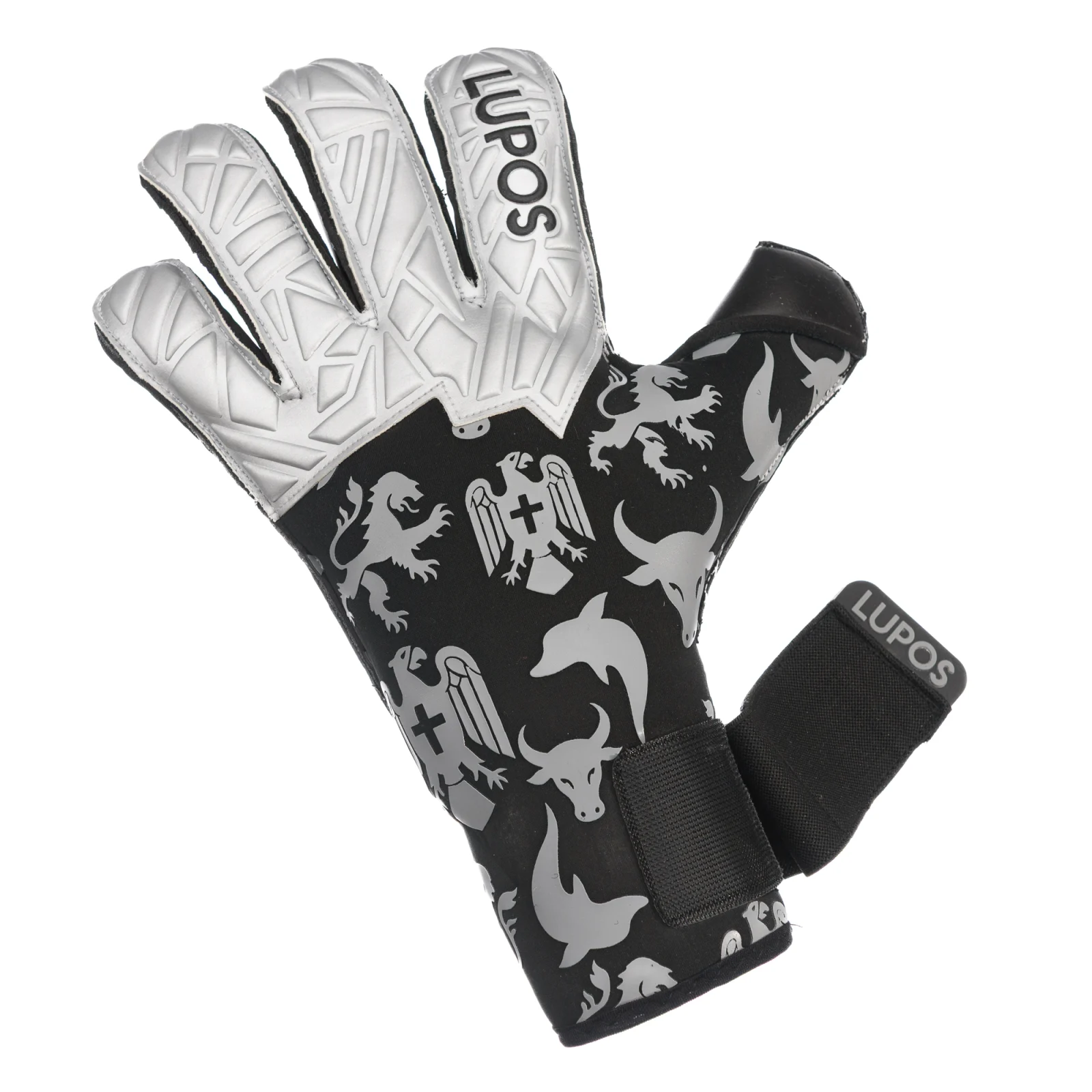
Goalkeeper gloves influence grip, especially in wet conditions. Choose models adapted to the playing surface and your level from the range of goalkeeper gloves available at LuposGK, considered the best goalkeeper gloves in Romania.
6. Correct dive and safe progression
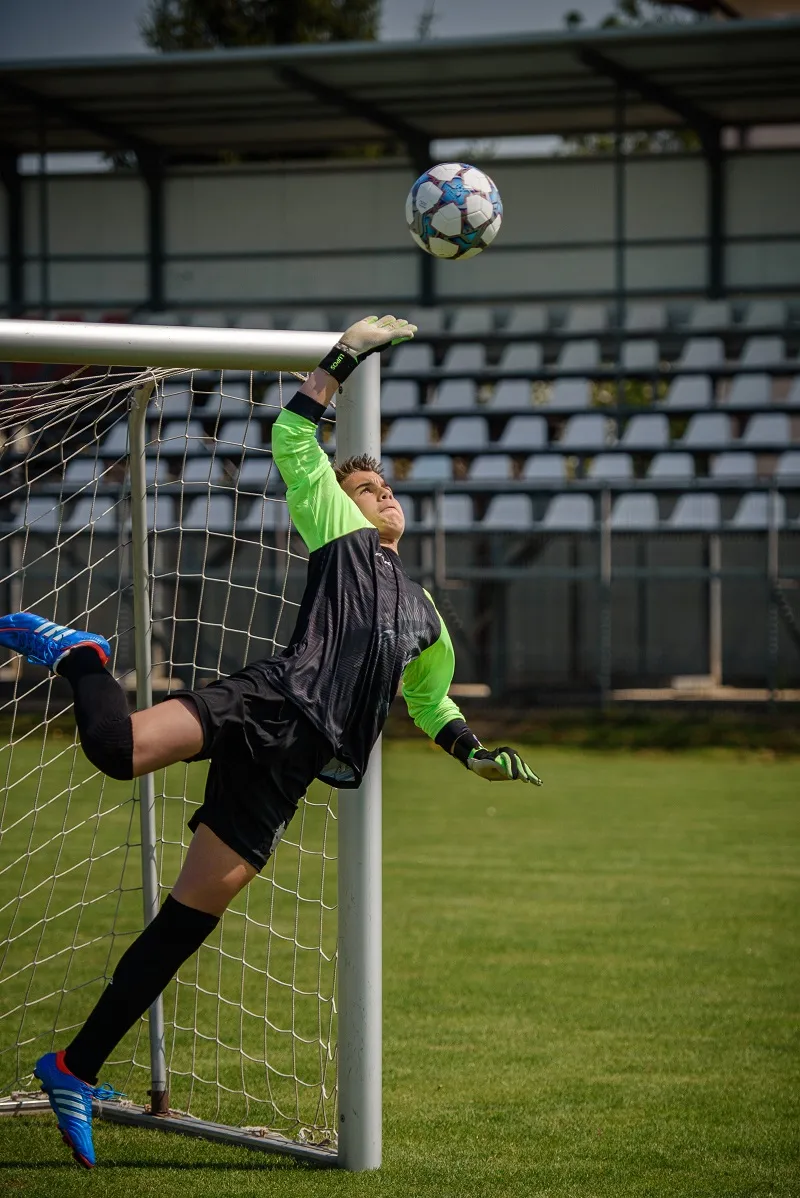
Effective dive combines technique and body protection. Start with an attack step towards the ball, then push off with the foot opposite the dive direction. Touch the ground with the side of the thigh and forearm, not with the elbow or shoulder.
For stable results, learn the movement progressively:
knee dives;
low-intensity leg dives;
real shot dives.
Work both sides for muscle balance. If back or shoulder pain occurs, stop the exercise and seek the advice of a sports specialist.
 7. High balls and aerial duels
When crossing, timing matters more than strength. Read the trajectory and decide quickly whether to catch or block.
Jump with a high knee for protection and secure the ball with both hands above your head. In crowded situations, block firmly to the side. Quick decision-making reduces the risk of dangerous contact with opponents. For training and matches, wear goalkeeping equipment that provides protection to the hips and elbows.
8. Strength, explosion and stability
Physical preparation supports all interventions. For goalkeepers, leg strength, core stability and shoulder control are important.
Incorporate exercises such as squats, lunges and controlled jumps, with sufficient rest. For the upper body, use medicine ball exercises or elastic bands, which mimic the movements in the goal. Maintain strict technique and avoid high volumes that lead to excessive fatigue. Consult a coach or sports doctor before changing the intensity, especially during busy match periods.
9. Training for children and beginners goalkeepers
For ages 8 to 13–14, focus on coordination, play, and safety. Create short, varied, and developmentally appropriate drills.
Work on simple catches, visual reaction, improving soccer goalkeeper reflexes, and basic movements. Limit dive repetitions and take frequent breaks. Hydration and warm-up remain a priority. Progress comes from consistency, not high intensity.
10. Recommended structure of a complete workout
A well-organized workout reduces the risk of injury and increases efficiency:
specific warm-up;
basic technique (position, catch);
reaction and game situations;
integrated physical exercises;
active recovery and controlled breathing.
Stop the session if dizziness, persistent pain, or lack of coordination occur.
Mistakes are part of the game. React quickly, recover, and communicate clearly with your defense. Simple pre-match routines, such as a few controlled breaths or light catches, help maintain focus. Improper equipment can increase the risk of injury. Proper glove care maintains grip and longevity. Follow the rules in our soccer goalie glove care guide.
Discover the full range of goalkeeper gloves and equipment available on the site, order the new LuposGK models and stay connected to future releases. Choose the equipment that suits your level and continue to progress, training after training.