 EN
EN  Romana
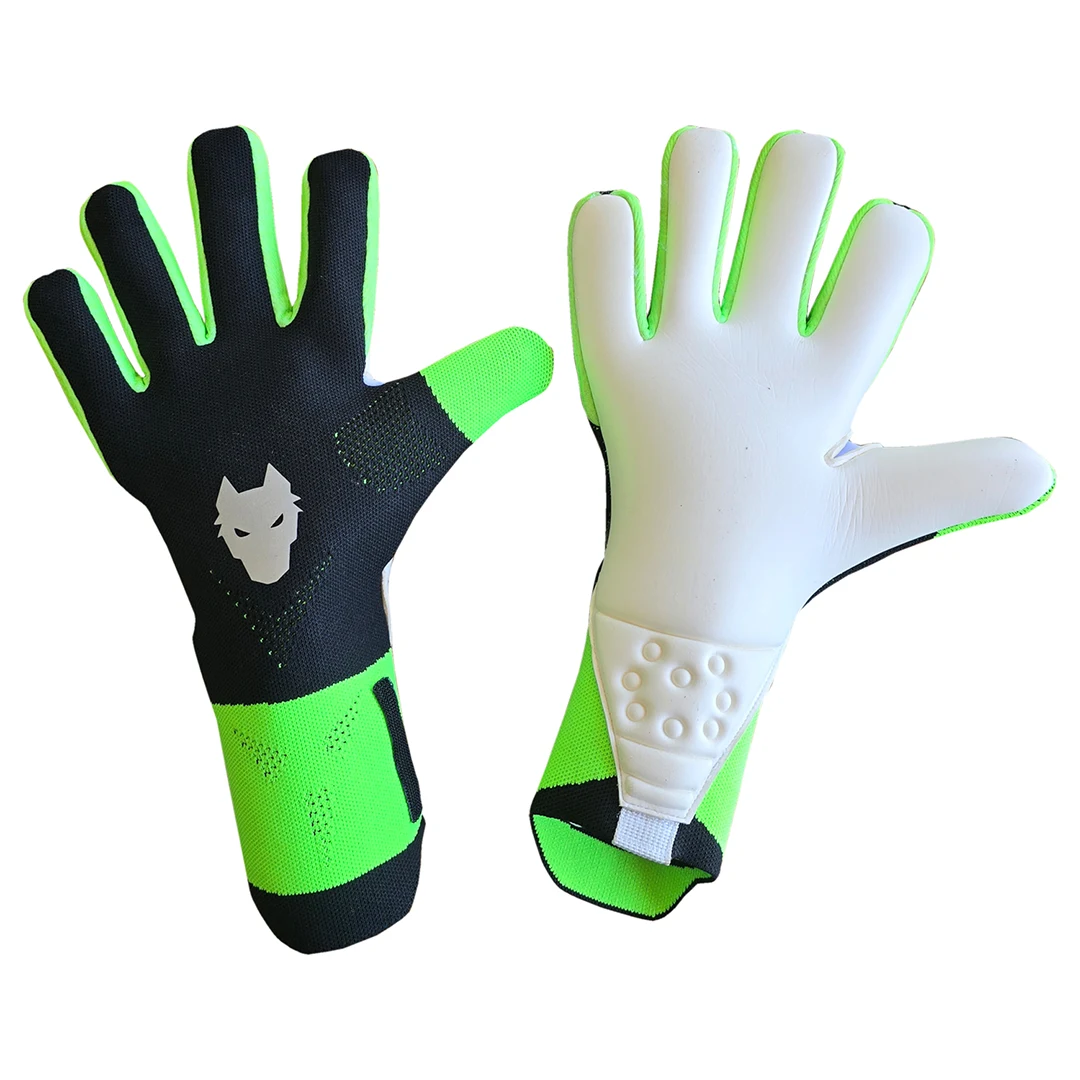
Have you ever gotten a new pair of goalkeeper gloves, gone to practice, and immediately felt something was different? The ball feels different in your palm. With some models, you can feel every detail of the ball, with others, you have more confidence when gripping. Often the difference doesn't just come from the type of latex or the design, but from the cut.
Roll Finger and Negative Cut are the two types of cut that dominate the goalkeeper glove market. Each directly influences how you feel the ball, how well you lock your fingers on impact, and how snug the glove fits your hand. If you're a junior and want the model worn by your favorite goalkeepers, if you play at a competitive level and are looking for maximum control, or if you play amateur matches every week, the choice of cut really matters.
Let's analyze them clearly, with advantages, limitations, and specific game situations, so you can make an informed choice.
What is the cut of a goalkeeper glove and why does it matter
The cut describes how the latex in the palm meets the material on the back of the glove (backhand). The position of the seams and the shape of the fingers change:
the surface of the latex that touches the ball
how tight or loose the glove fits
the freedom of movement of the fingers
the feeling of control when catching and releasing
The latex provides the grip, i.e. the adhesion to the ball. The backhand protects and stabilizes the hand. But the cut determines how all of this interacts with your hand.
There are several types of cuts, including Flat and Hybrid. If you want the full picture, you can find details in our guide to the types of cuts in goalkeeper gloves. In this article, we focus on a direct comparison between Roll Finger and Negative Cut, because they cover most preferences.
Roll Finger Goalkeeper Gloves – Definition, Advantages and Limitations
What is Roll Finger?
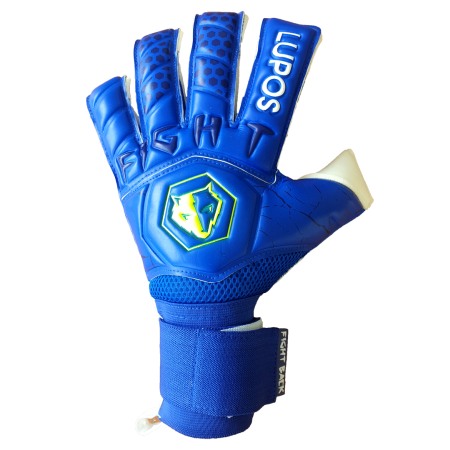
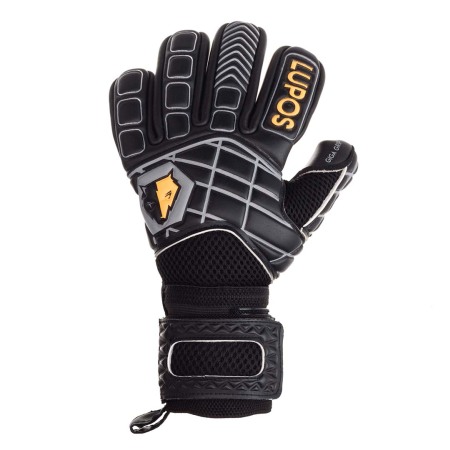
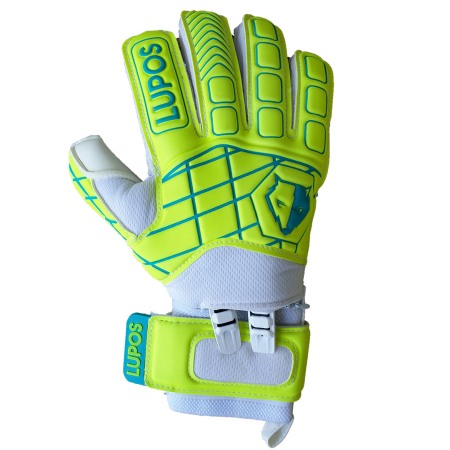
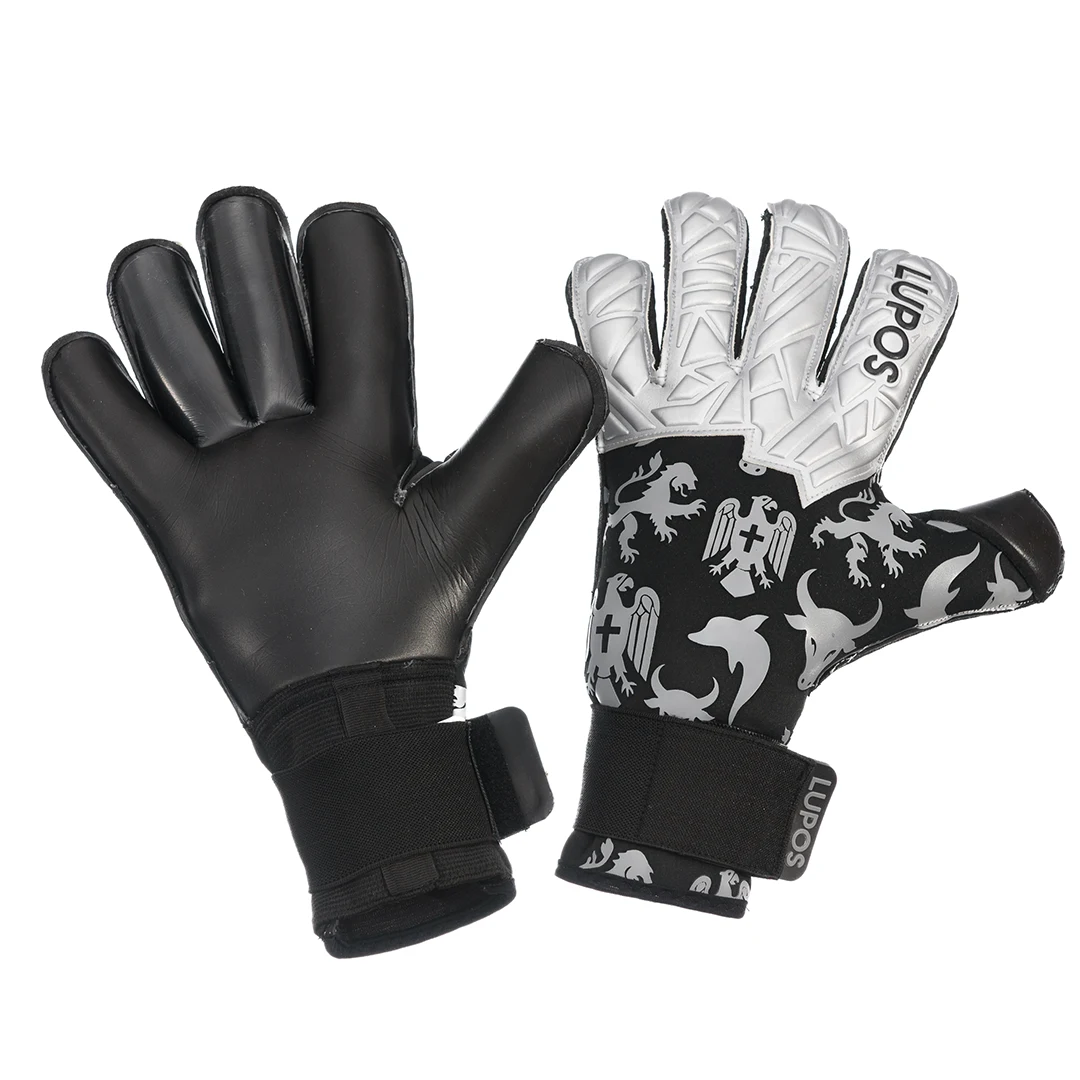
In Roll Finger, the latex is “rolled” around each finger. Basically, the palm wraps around the fingers on the side, and the seams are positioned on the outside or in the area of reduced contact. The result is a fuller glove, with more latex exposed to the ball.
When you clench your fist, you feel a greater volume around the fingers. For many goalkeepers, this construction conveys confidence.
Roll Finger Advantages
1. Large ball contact surface You have more latex on your fingers. On strong shots, in most cases, you feel that the ball “sticks” better, especially in the rain.
2. Better impact cushioning The extra layer of latex helps absorb hard shots. If you play in juniors and face large differences in strength between opponents, this aspect helps you.
3. Comfortable fit for wider palms If you have thicker fingers or a wide palm, the Roll Finger gives you space without feeling pressure on the seams.
4. Greater tolerance for small technical errors In case of imperfect grips, especially for goalkeepers in training, the extended latex surface helps with stability.
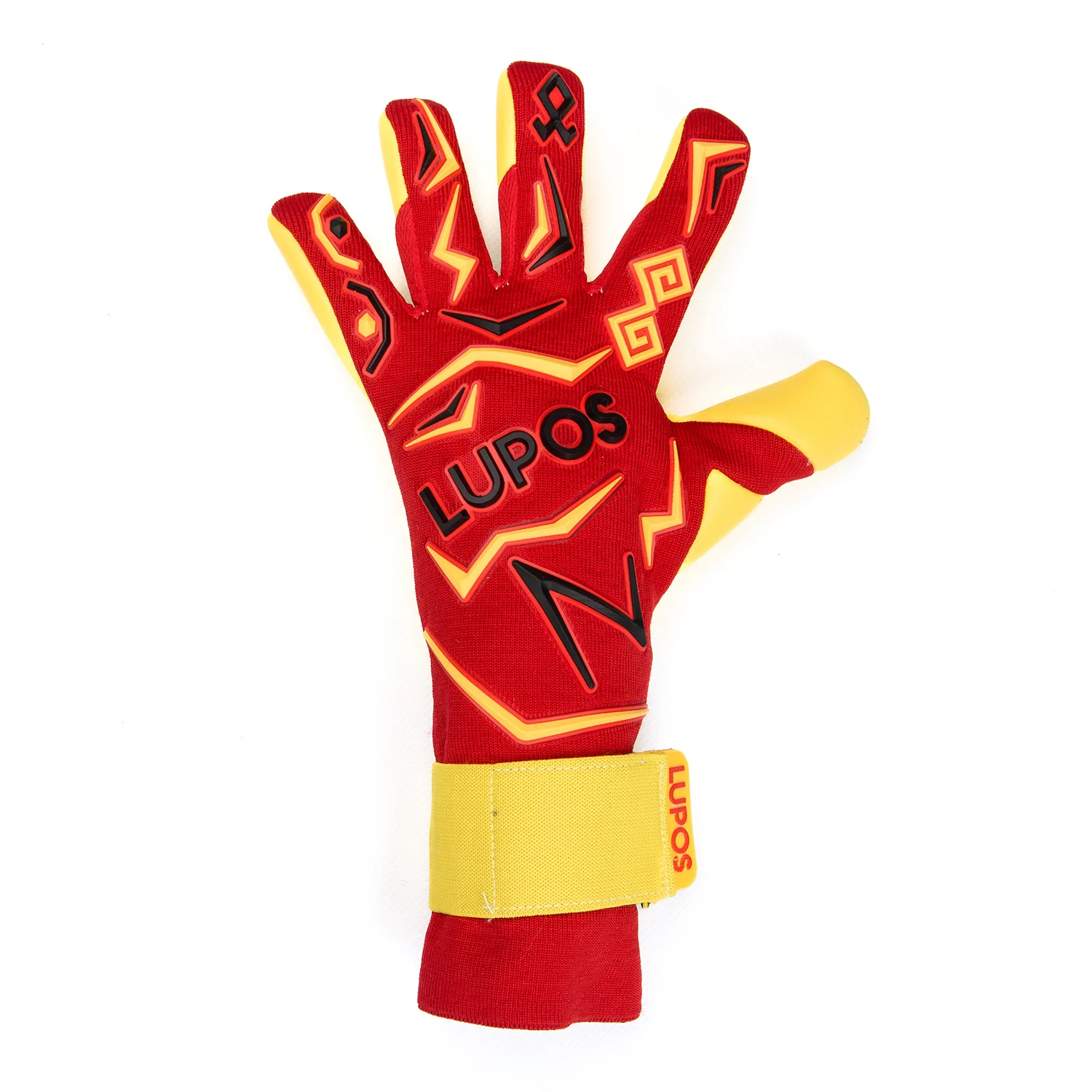
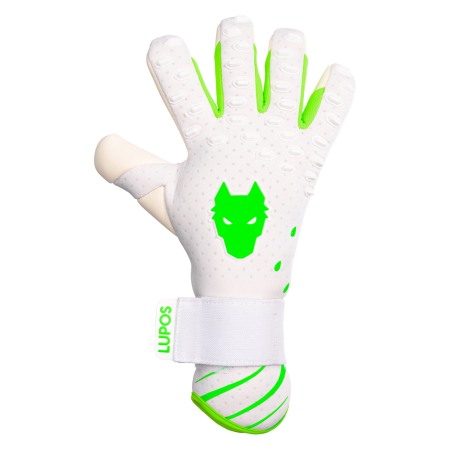
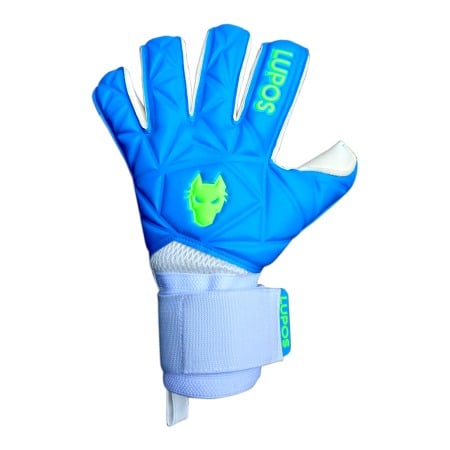
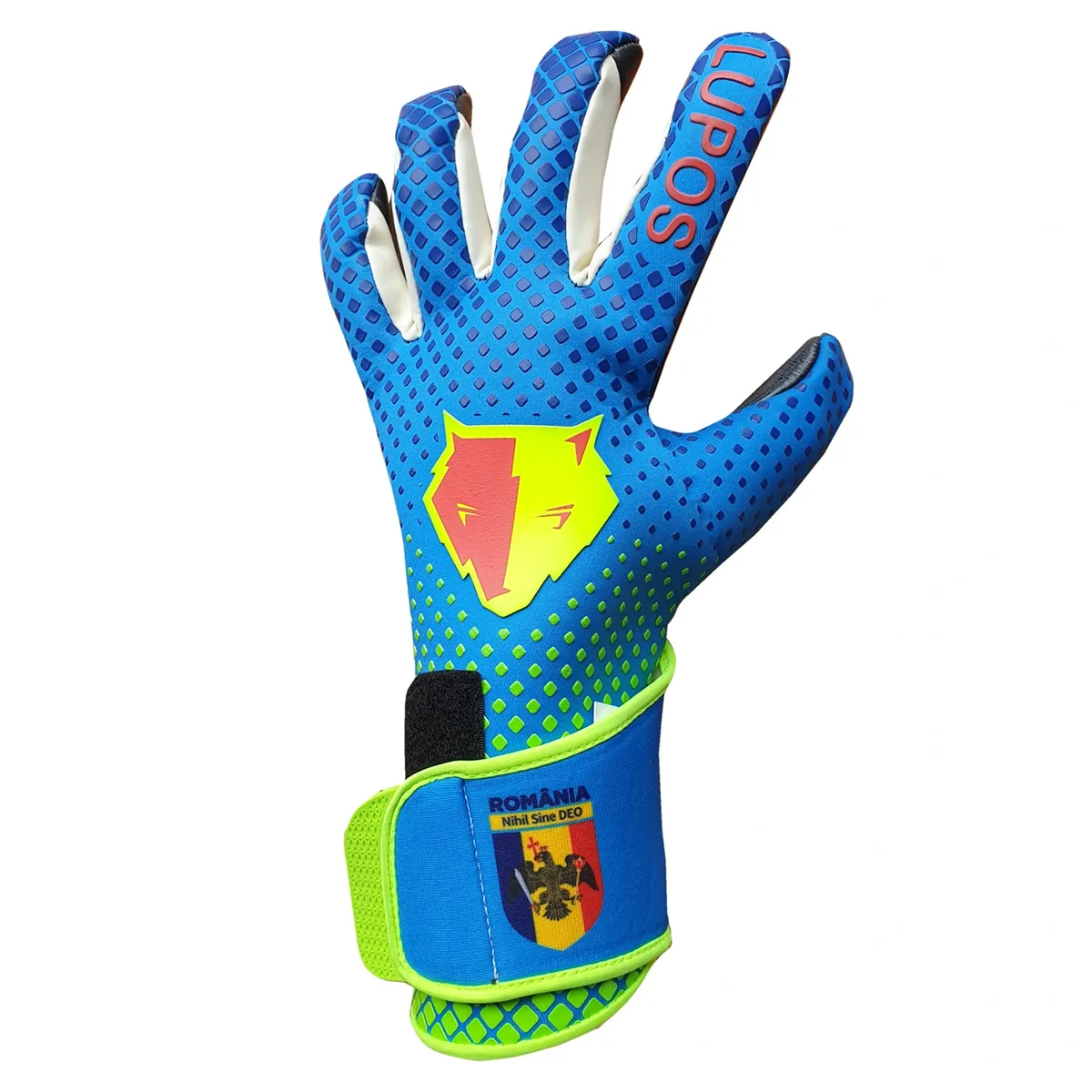
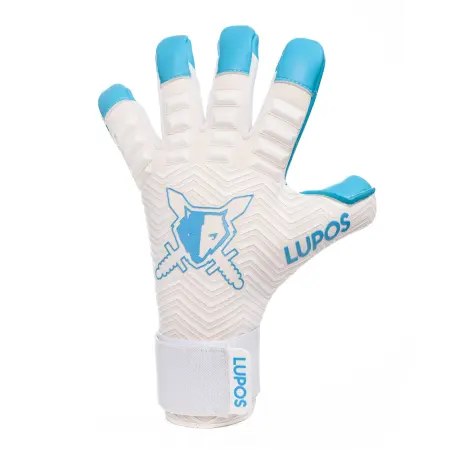
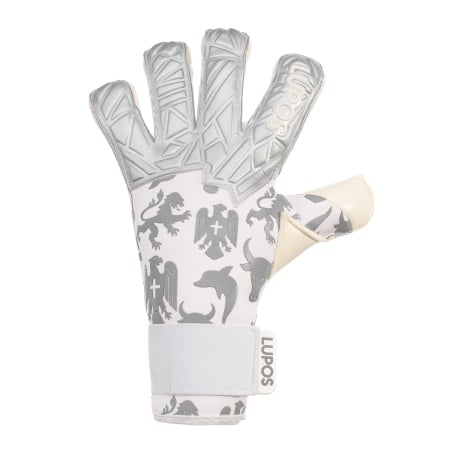
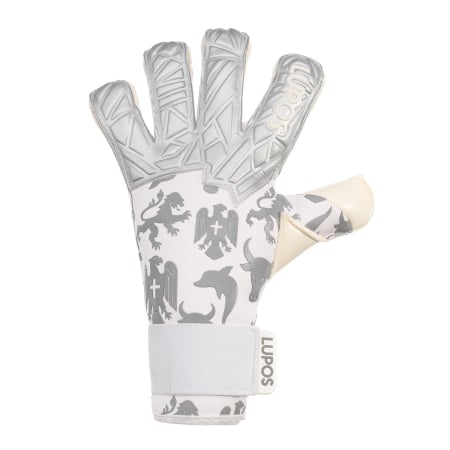
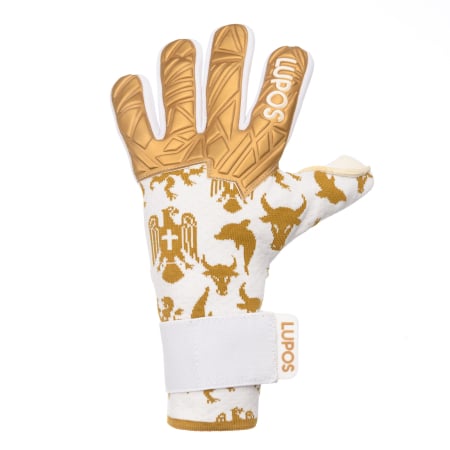
Models such as the Lupos Quartz Roll Finger or the Lupos Helix One Roll Finger offer exactly this combination: quality grip, solid construction and a current design, adapted to the trends in modern football. LuposGK, as a Romanian brand dedicated exclusively to goalkeepers, emphasizes dynamism and a very good quality-price ratio compared to established brands.
Roll Finger Limitations
Less direct feeling of the ball compared to Negative Cut.
More voluminous appearance.
On long passes or quick throw-ins, some goalkeepers feel that they lose a little of their precision.
For regular use, especially at junior or amateur level, these limits do not create any real problems. Your style matters more.
Negative Cut goalkeeper gloves – definition, advantages and limitations
What is Negative Cut?
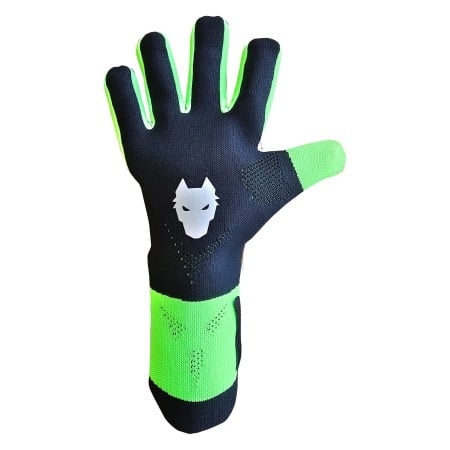
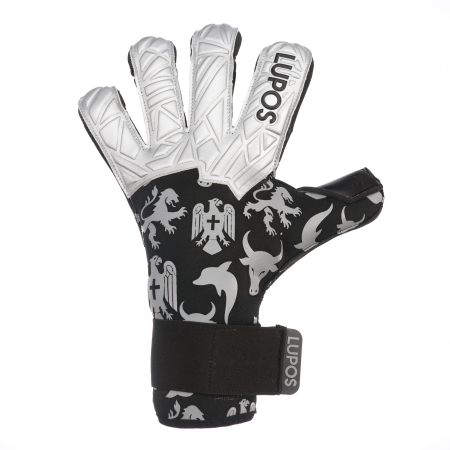
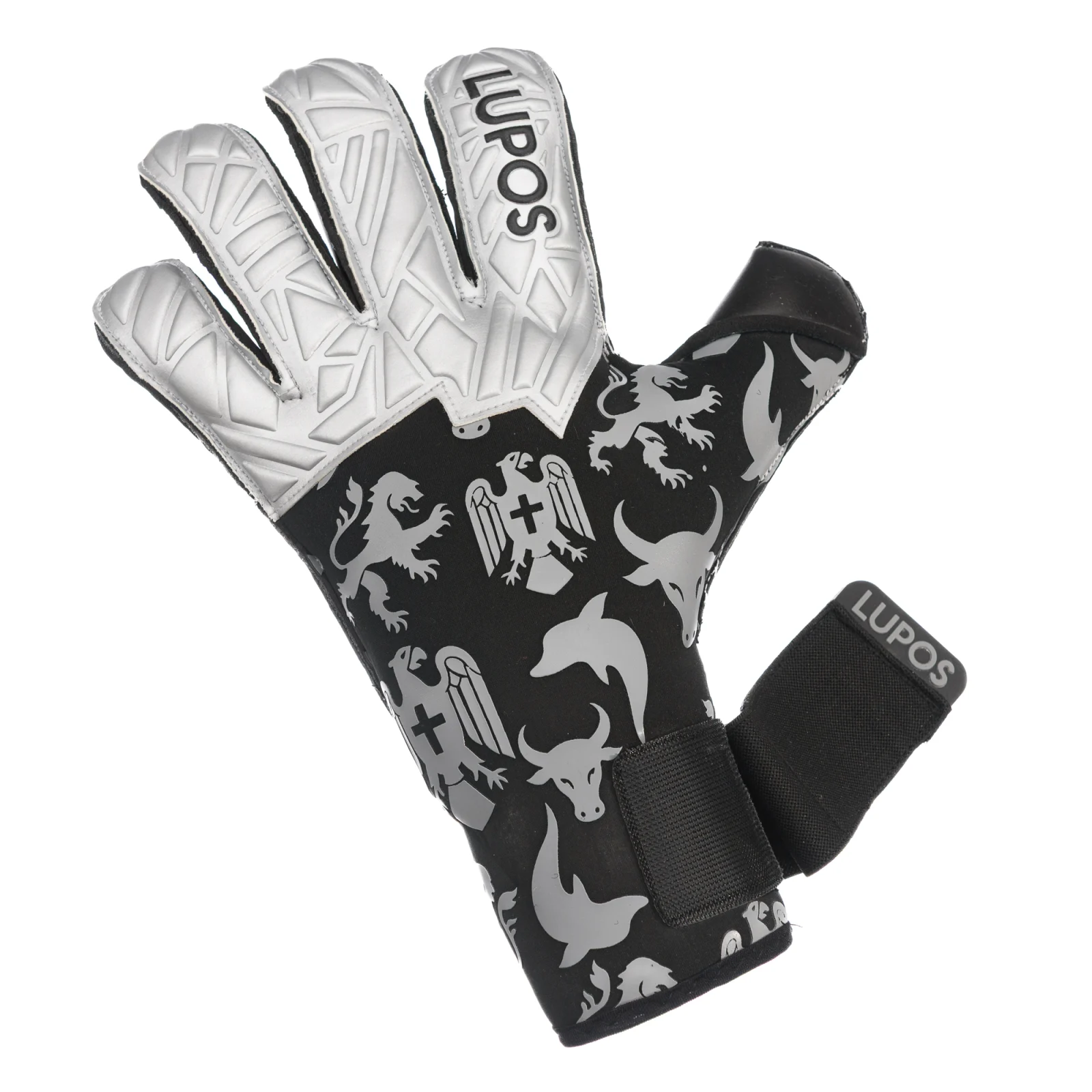
With Negative Cut, the seams are inside the glove. The latex is sewn in reverse, and the fingers take on a tighter, more anatomical shape. The glove molds to your hand almost like a second skin.
When you put it on for the first time, you immediately feel how tight it is on your fingers.
Advantages of Negative Cut
1. Very precise ball control For stable results in catches and quick distributions, the tight fit helps a lot. You feel the ball directly, without an additional layer between your palm and the ball.
2. Increased finger mobility You don't have excess material. If you play modern, with a lot of involvement in the construction and first-time passes, this detail matters.
3. Slim and modern look Many goalkeepers in the top leagues choose Negative Cut for the feeling of control and the clean design.
4. Excellent fit for narrow hands If you have thin fingers and a narrow palm, this cut gives you the desired fit without gaps.
Negative Cut Limits
Slightly less latex surface compared to Roll Finger.
Requires very careful size selection.
On heavy impact, the cushioning may seem firmer.
If you choose a size that is too large, you lose the main advantage of this cut. Therefore, measure your palm correctly and check the chart before ordering.
 Roll Finger vs. Negative Cut – comparison based on clear criteria
Criteria Roll Finger Negative Cut
Fit Looser, more comfortable Tight, very form-fitting
Latex surface Large Medium
Ball feel Good Very precise
Cushioning High Medium
Finger mobility Good Very good
Suitable for Safety and comfort Control and quick reaction
Recommended level Beginner – intermediate Intermediate – advanced
The table helps you quickly see the differences, but the final decision depends on your hand and your playing style.
Choosing according to your hand shape
The shape of your hand directly influences comfort.
Wide palm / thicker fingers – Roll Finger provides space and does not compress the fingers.
Narrow palm / thin fingers – Negative Cut sits more naturally and reduces excess material.
If you are between sizes, carefully analyze the model you choose. Negative Cut requires a more precise fit, while Roll Finger accepts small variations.
Choosing by playing style
Safety-oriented goalkeeper You box a lot, block hard shots, play often on wet pitches. Roll Finger gives you stability and extended contact with the ball.
Modern, construction-oriented goalkeeper You make quick decisions, pass first, climb the defensive line. Negative Cut supports your precision and fine control.
At the 15–23 level, where the pace of the game increases and the competition becomes more intense, many goalkeepers choose Negative Cut for quick reactions. In juniors 8–14 years old, Roll Finger often remains the preferred option for comfort and confidence.
How to choose the right size
Regardless of the cut, the wrong size affects your game.
Measure the circumference of your hand without the thumb.
Compare the result with the size chart.
Make sure that your index finger remains approximately 0.5–1 cm from the tip of the glove.
Make a fist and check that the glove stays in place.
For Negative Cut, stick to the recommended size. For Roll Finger, you can accept a slightly looser feel, but avoid excessive space.
For more details, check out our guide on how to choose your goalkeeper gloves.
What to choose for your child or for you as a parent
For children active in academies and clubs, comfort and protection matter a lot. Roll Finger offers better cushioning and stability for the first serious interventions. As the technique develops and the hand gains strength, Negative Cut becomes a realistic option.
If you play at amateur level, 23–40 years old, and constantly enter matches on synthetic or natural grass, choose according to what you feel helps you more: additional protection or more direct control.
Explore the full range of LuposGK goalkeeper gloves and goalkeeper equipment, test the cut that suits you and follow new releases. The brand constantly develops models with current designs, materials adapted to real field requirements and a very competitive quality-price ratio. Check the size guide, analyze the technical specifications and make an informed choice.