 EN
EN  Romana
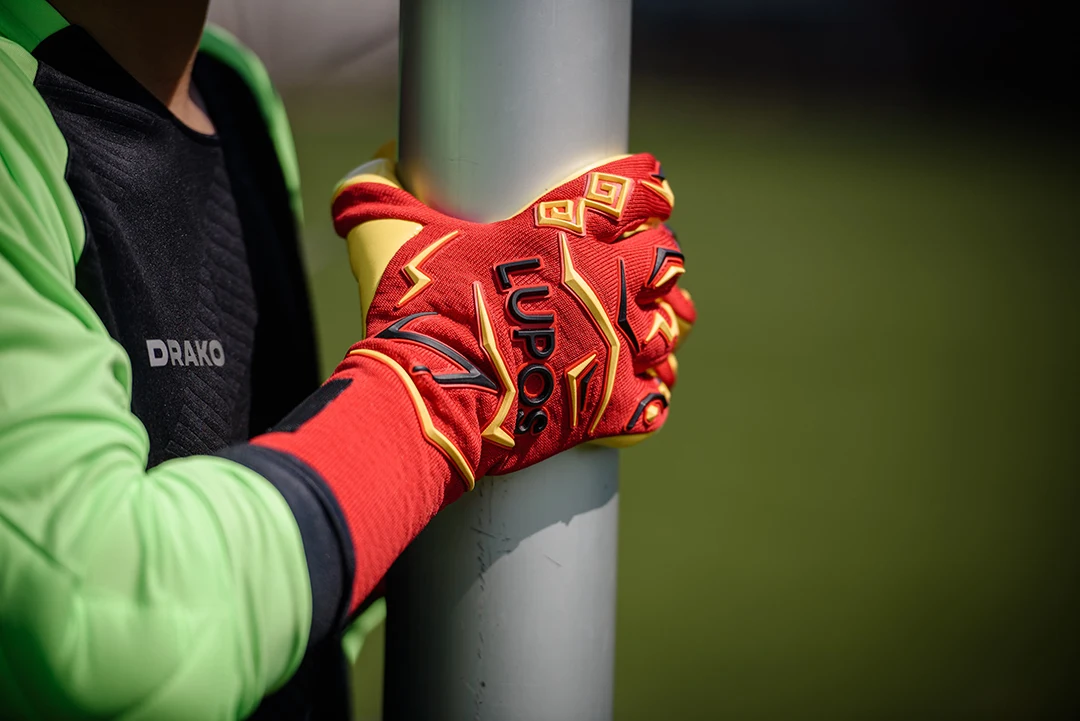 If you play goalie regularly, you already know that the pitch changes everything. The ball bounces differently, the dive feels different, and your equipment lasts more or less depending on the surface. Many young goalkeepers use the same gloves and boots everywhere, only to be surprised when the latex breaks down quickly or their knees hurt after a few weeks.
The truth is simple: artificial turf and natural grass require different approaches. If you choose the right goalkeeper gloves, boots, and pads, you reduce the risk of injury and extend the life of your equipment. If you ignore the differences, your season can become more expensive and more difficult than it needs to be.
Let's clarify specifically what's changing and how you can adapt smartly, whether you're 10 years old and playing in the juniors or 28 and defending weekly in the local league.
Synthetic pitch vs. natural grass: what's changing for you
Definition and features
A modern synthetic pitch (3G or 4G) uses artificial fibres, granulate infill and a cushioning layer underneath. The surface is uniform and provides a consistent ball response. In most cases, the pitch remains stable regardless of rain or heavy use.
Natural grass means grass grown on the ground. It can be dry, wet, soft or uneven. Its condition depends on the weather, maintenance and the number of matches played.
Advantages and disadvantages for goalkeepers
Synthetic pitch – advantages:
Predictable ball bounce
Constant surface for fast play
Less mud and dirt
Synthetic pitch – disadvantages:
Harder impact on dives
Increased abrasion for latex and textiles
High temperature in summer
Natural grass – advantages:
Better cushioning on soft ground
Less wear on latex
Greater comfort when falling
Natural grass – disadvantages:
Bumps and slips
Unpredictable trajectories
Variable conditions from one match to another
For you, the differences translate into goalkeeper equipment adapted to each surface. You don't choose the same for daily training on synthetic and for a match on wet grass.
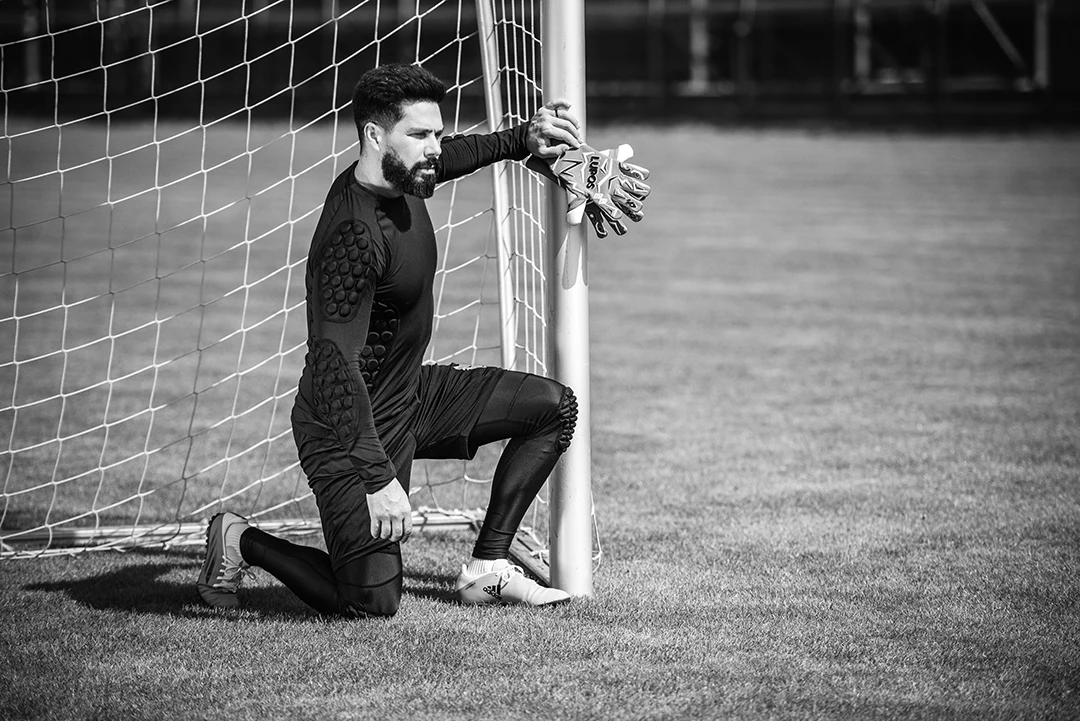 Goalkeeper gloves: latex, grip and durability
Latex – performance vs. durability
Latex is the part that comes into direct contact with the ball. It provides grip, but it also wears out first. On synthetic pitches, abrasion is greater. If you constantly use soft match latex on artificial turf, you will quickly see signs of wear on your palm.
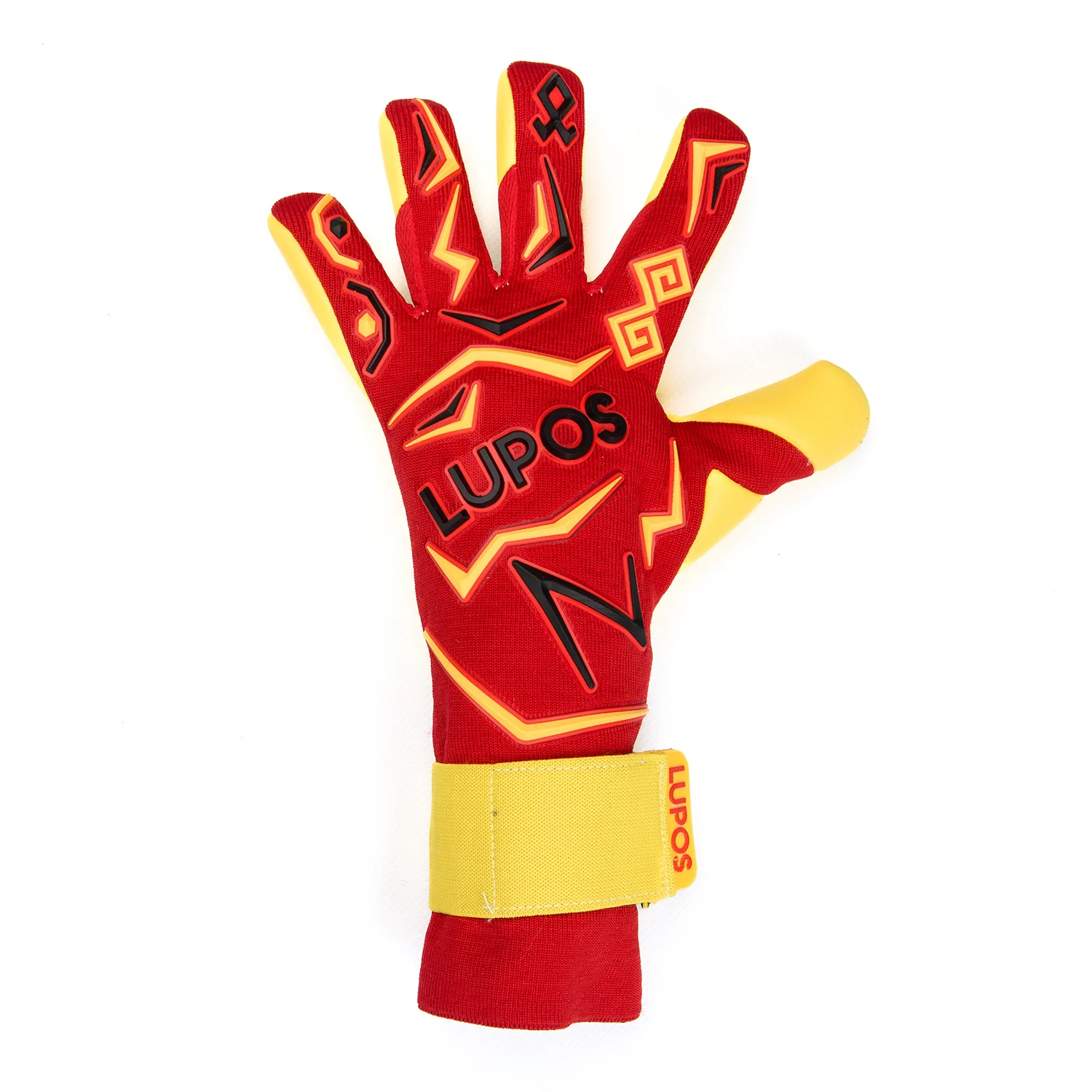
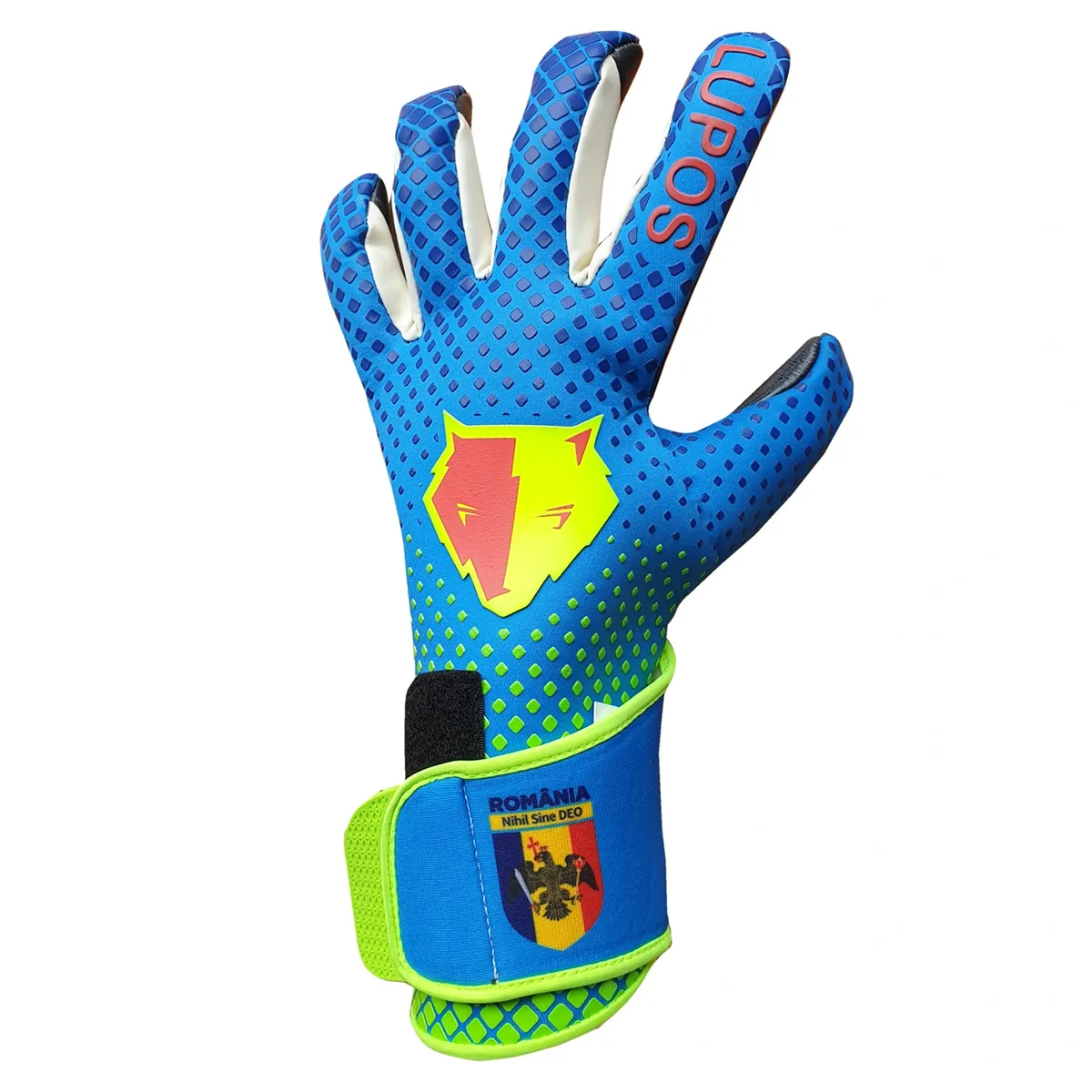
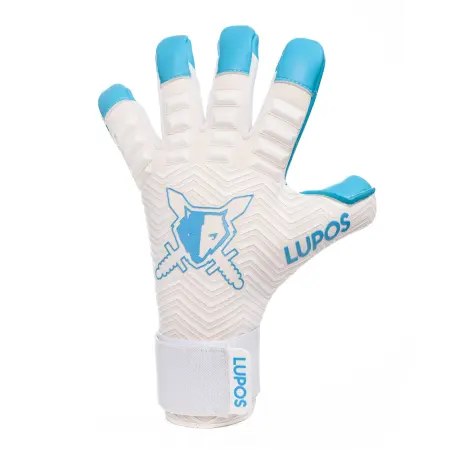
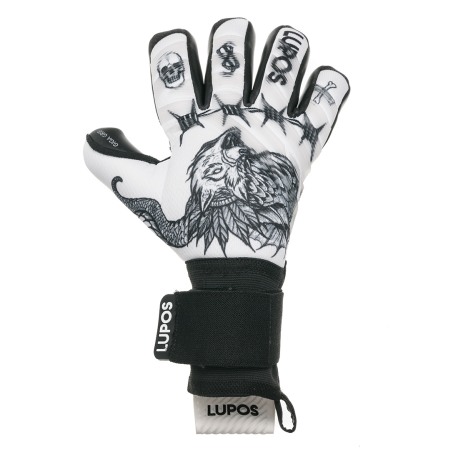
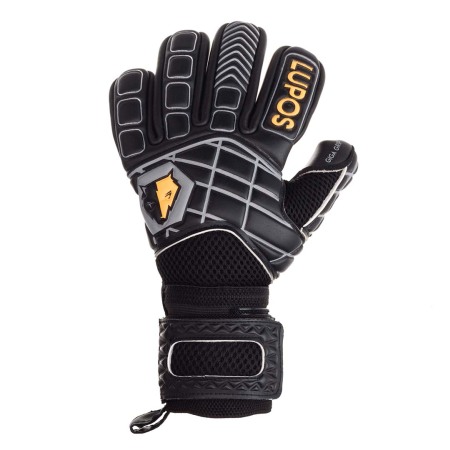
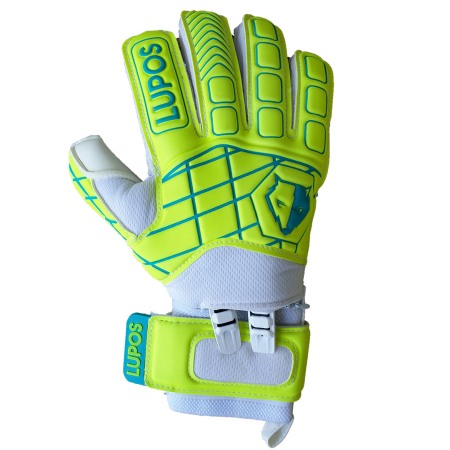
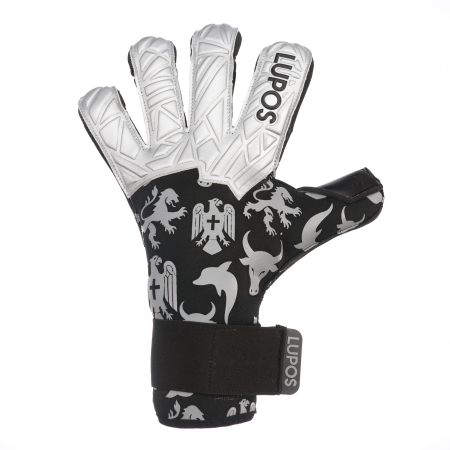
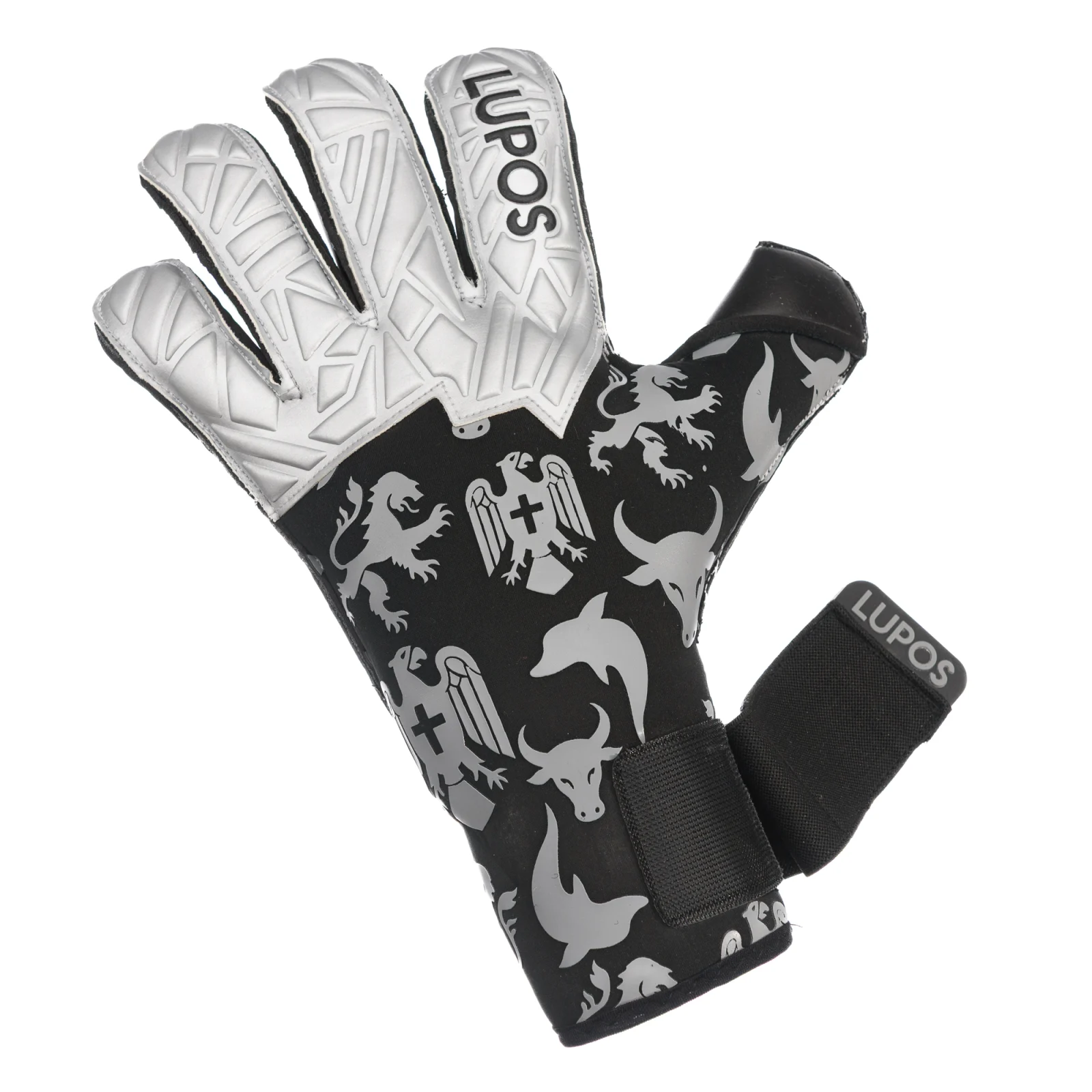
For frequent training on synthetic turf, choose models from the range of goalkeeper gloves with more durable latex, designed for intensive use. The grip may be slightly reduced compared to a premium competition latex, but for training it offers stable results and a longer lifespan.
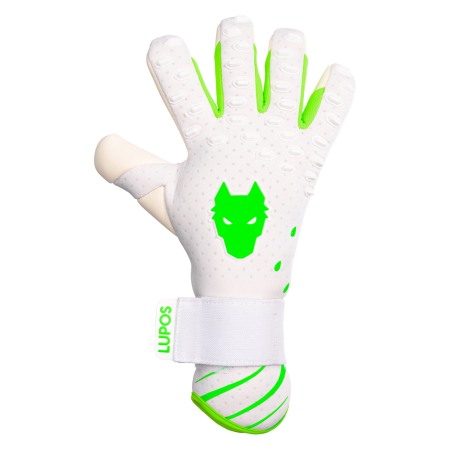
On natural grass, especially in wet conditions, you can use soft or contact latex. Water activates the surface and improves grip. In important matches, the difference in control is immediately felt.
Many semi-professional goalkeepers use two pairs:
one for training (durability)
one for matches (maximum grip)
The strategy works in the long run and reduces costs.
Cut and feel
The cut influences the contact with the ball and the stability of the fingers. If you are not sure what suits you, consult the guide to the types of cuts in goalkeeper gloves.
In short, for everyday use:
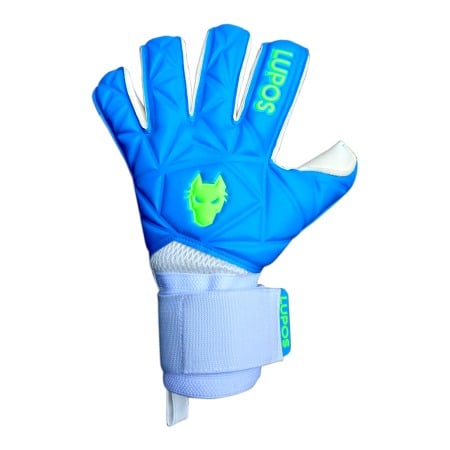
Negative cut – tight fit, precise control. Many young goalkeepers prefer this feel.
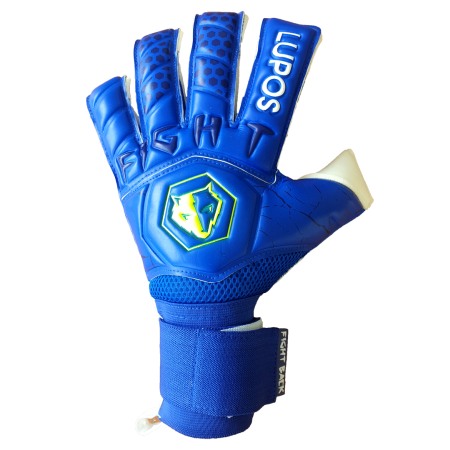
Roll finger – larger surface area of latex on the ball, good for a secure grip.
Hybrid – combines the advantages and offers a balance between comfort and control.
On synthetics, where the impact is harder, a cut that stabilizes the fingers well helps you better control the ball when you hit hard. On natural grass, where deflections occur, a fit that is close to the hand gives you quick reaction.
Finger protection
If you are a junior or coming back from an injury, consider gloves with finger protection (spines). On hard surfaces, toe jamming occurs more often when you hit hard. Protection doesn't make you invincible, but it reduces the risk of hyperextension in many situations.
Boots: AG, FG or SG?
Boots directly affect your joints. The wrong choice is felt in your knees and ankles.
On synthetic turf
Use AG (Artificial Ground) soles. The studs are shorter and closer together, distributing pressure evenly and reducing the risk of jamming in the surface. If you play with FG soles on synthetic, the studs can catch excessively. The movement stops suddenly and the joint takes the force.
For daily training on artificial turf, the AG sole offers better stability and long-term comfort.
On natural turf
FG (Firm Ground) – suitable for dry or slightly damp ground.
SG (Soft Ground) – recommended for soft, water-filled ground.
Choose based on the condition of the ground, not just your preference. If the pitch is very soft and you use FG, you risk slipping when changing direction quickly.
Protective equipment: clear differences between surfaces
On synthetics, protection becomes much more important. Repeated diving on a hard surface puts stress on the knees and hips.
Tights or pants with knee and hip inserts absorb some of the impact. Shirts with elbow reinforcements reduce friction and protect the skin. If you play 3–4 times a week on artificial turf, these details make a difference in your comfort.
On soft natural grass, the cushioning comes partly from the soil. However, on dry and hard ground, protection remains useful. Do not completely eliminate it from your equipment.
You can see the options available in the goalkeeper equipment range, where you can find products created specifically for the real needs of goalkeepers in Romania. LuposGK emphasizes current design, rapid adaptation to trends and a very competitive quality-price ratio compared to established brands.
Temperature and comfort
In summer, synthetic pitches can get very hot. Breathable materials and lightweight equipment help you stay comfortable. Avoid unnecessary thick layers. Choose fabrics that wick away sweat and allow your skin to breathe.
On natural grass, the main problem is moisture. After the match, wash and dry your equipment properly. Especially your gloves.
For proper maintenance, follow the recommendations in the goalkeeper glove maintenance guide. Clean the latex with lukewarm water, squeeze gently without twisting aggressively and let them air dry. Avoid radiators or direct sunlight.
If you feel that the grip is decreasing during the match, you can use a goalkeeper glove grip spray. Apply sparingly and test before the game to see how the latex reacts.
Long-term strategy: how to protect your budget
Many young goalkeepers quickly burn through their budget by using the same set everywhere. A more effective approach looks like this:
Type of use Recommended gloves Boots Protection
Training on synthetics Durable latex AG Complete
Matching on natural grass Premium latex FG/SG Standard
Rotate your equipment. Check the surface before each match. Adjust your selection based on the conditions.
If you are 12 and your parents are investing in your equipment, explain to them why you need two different pairs. If you are 20 and managing your own budget, think long term. Calculate the cost per season, not just the purchase price.
Choose wisely and play safe
There is no “best” surface for everyone. There is only the surface you play on most often. Adapt your goalkeeper gloves and other goalkeeper equipment to your reality on the pitch.
Test, adjust, observe how your body reacts. If you experience frequent knee pain on synthetics, check the sole of your boots. If the latex breaks down too quickly, change the type used in training.
Explore the full range of goalkeeper gloves and equipment available on LuposGK, discover new models and consult the size guide before ordering. Stay tuned for upcoming releases and choose the equipment that suits your playing style.