 EN
EN  Romana
Good reflexes separate an average goalkeeper from an exceptional one. In modern football, reaction speed to shots, deflections, or 1-on-1 situations can determine the outcome of a match. That is why every football goalkeeper – whether junior, amateur, or professional – needs a consistent routine of dedicated exercises. Discover the most effective drills for improving reflexes from Lupos GK:
Rapid Short-Range Throws Reaction speed is essential for stopping close-range shots. This drill involves a coach or teammate rapidly throwing balls of various sizes and directions from a short distance (1–2 meters). The goalkeeper must wear full gear and react instantly and naturally, without anticipating the movement. Short, intense sets are performed to simulate real in-game situations.
Tennis Ball Drills Tennis balls are unpredictable due to their fast bounces. The goalkeeper stands in the ready position while the coach throws the ball toward them, either directly or rebounding off a wall. The keeper must catch or parry it quickly. This drill develops fine motor reactions and hand-eye coordination.
Reaction Drills with Cone Agility Set up 4–6 cones in a zig-zag pattern. The goalkeeper moves through them and immediately faces a powerful shot or pass at the end. The goal is to develop reactions following sudden changes of direction. This drill trains reflexes under physical fatigue, just like in a match.
Rapid Blocking in Tight Spaces The goalkeeper is positioned within a marked area (2×2 meters), while the coach delivers strong low, medium, or high shots. The keeper is allowed only 1–2 steps to make the save. This way, reflexes are honed in restricted conditions, closely simulating skirmishes in the six-yard box.
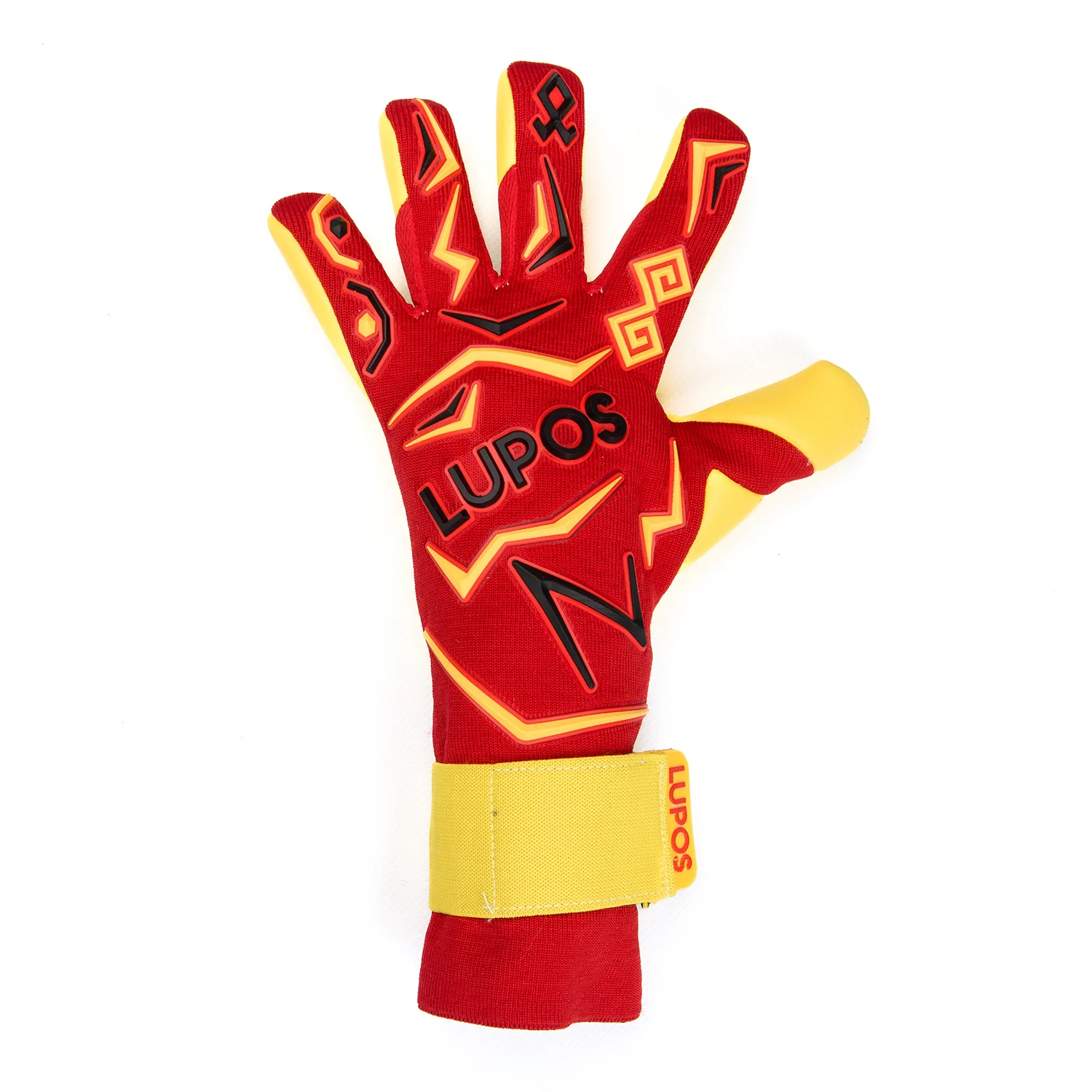
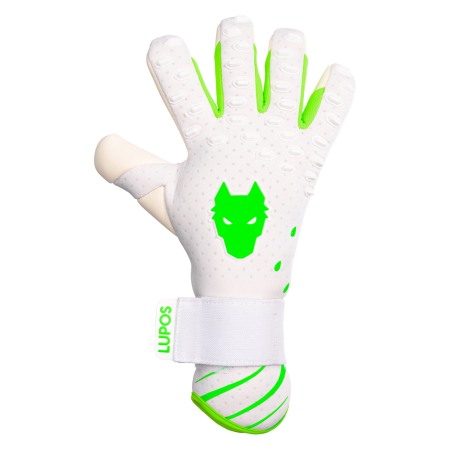
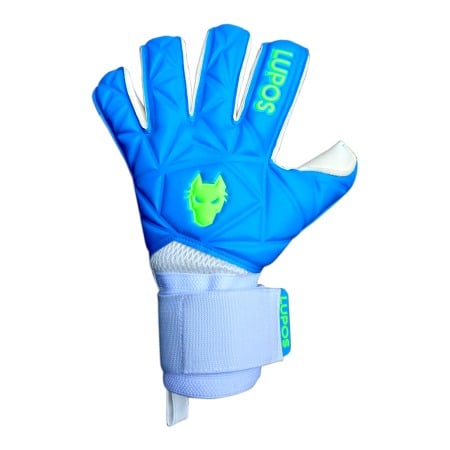
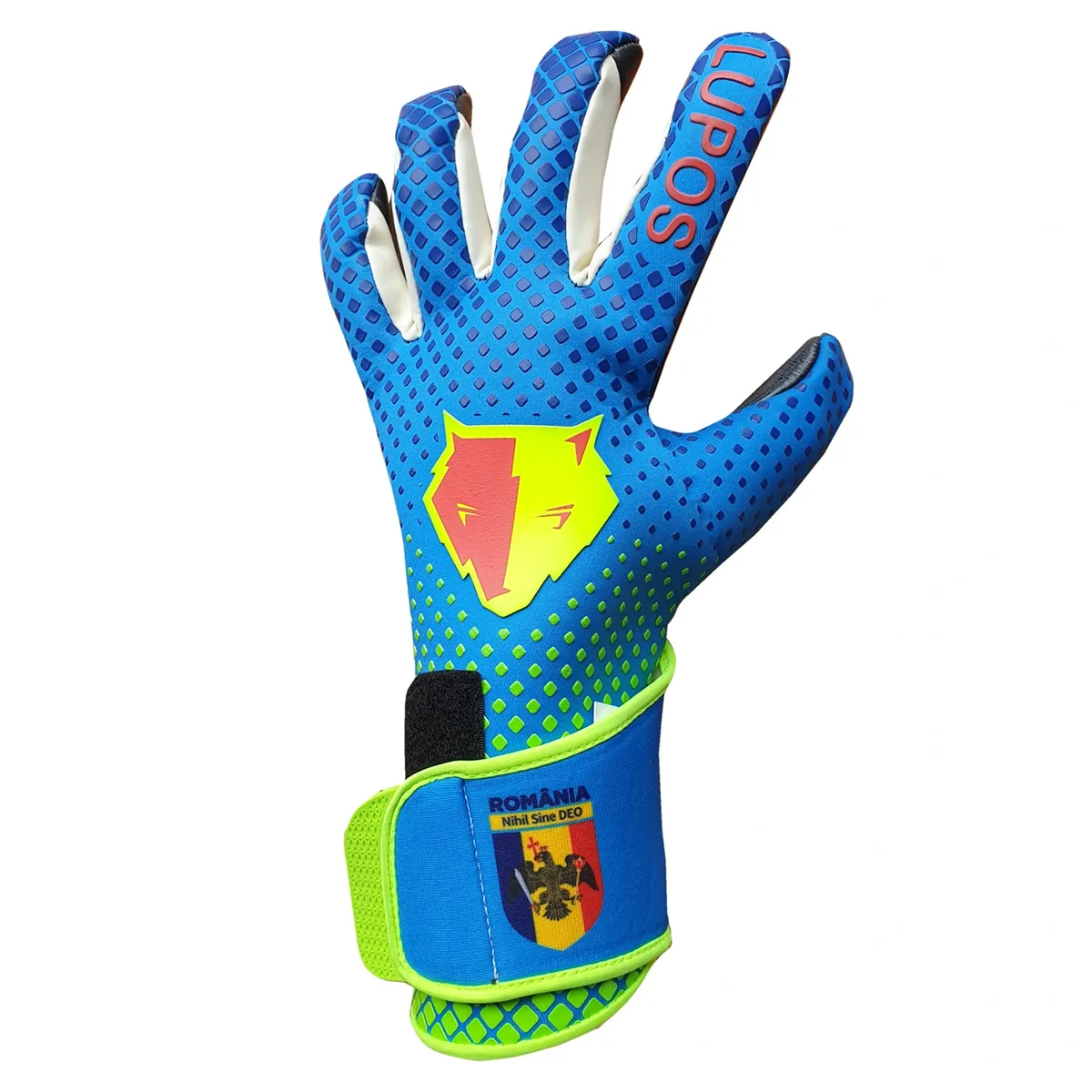
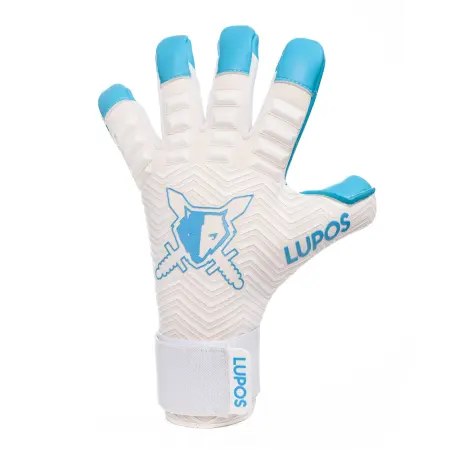
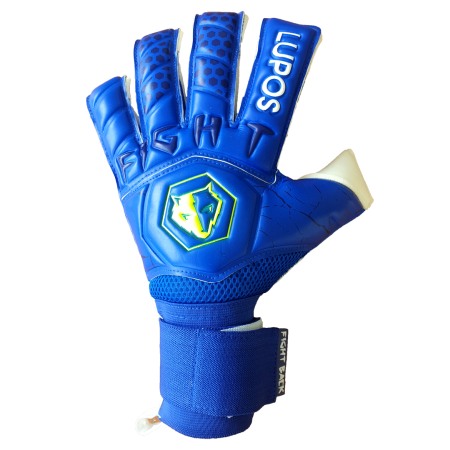
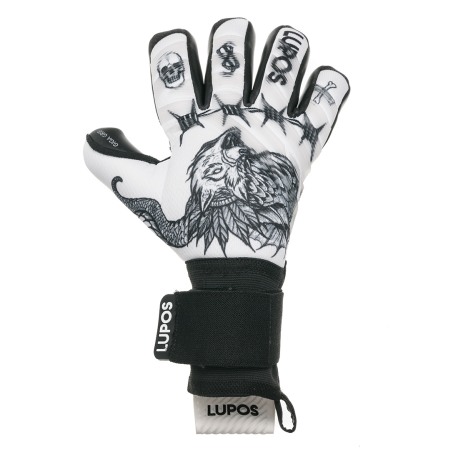
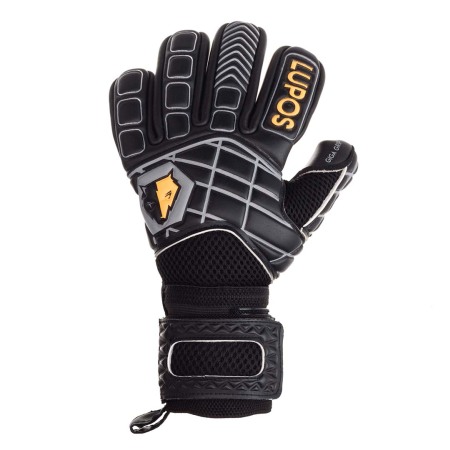
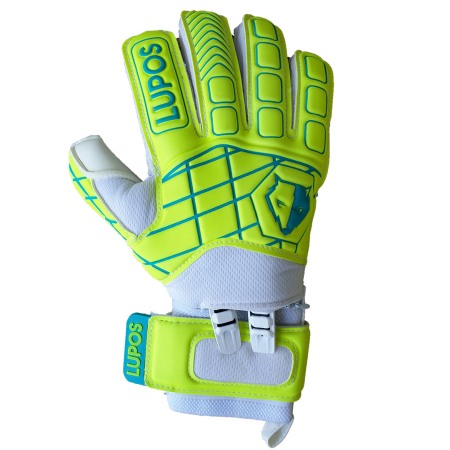
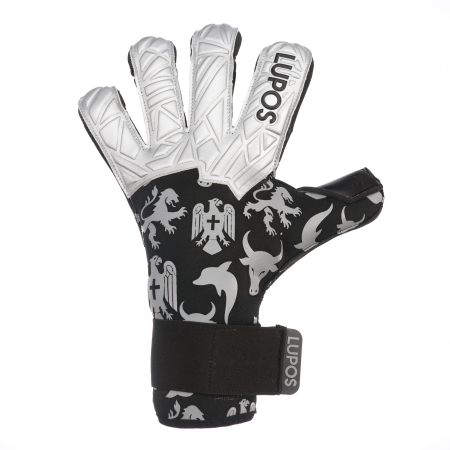
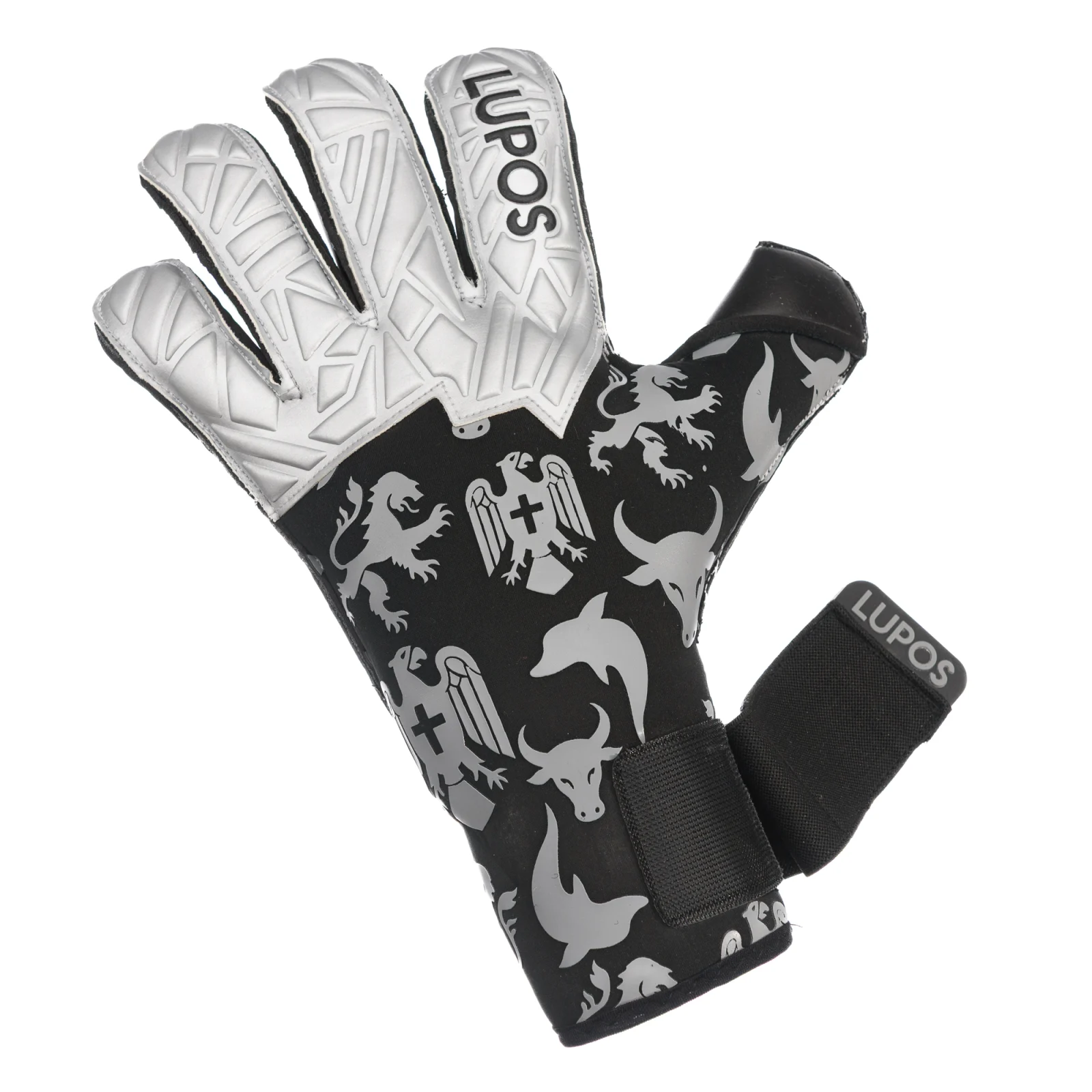
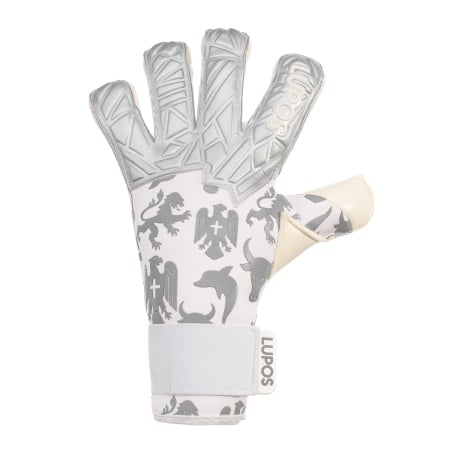
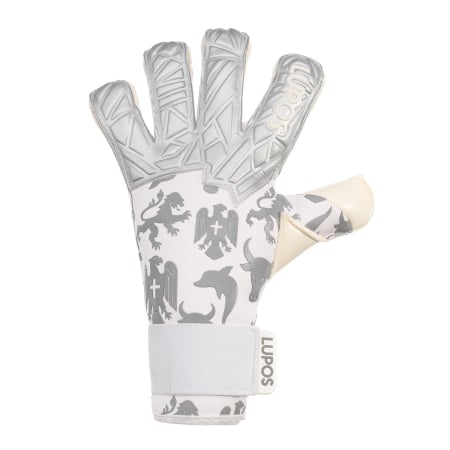
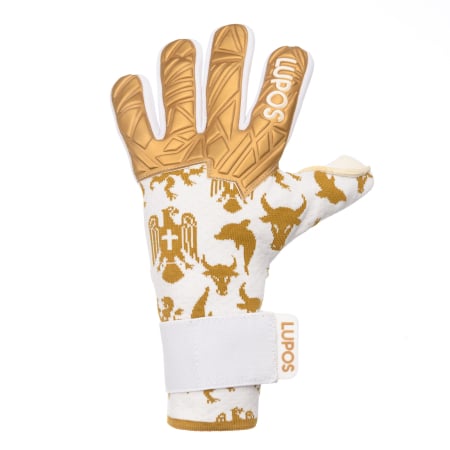
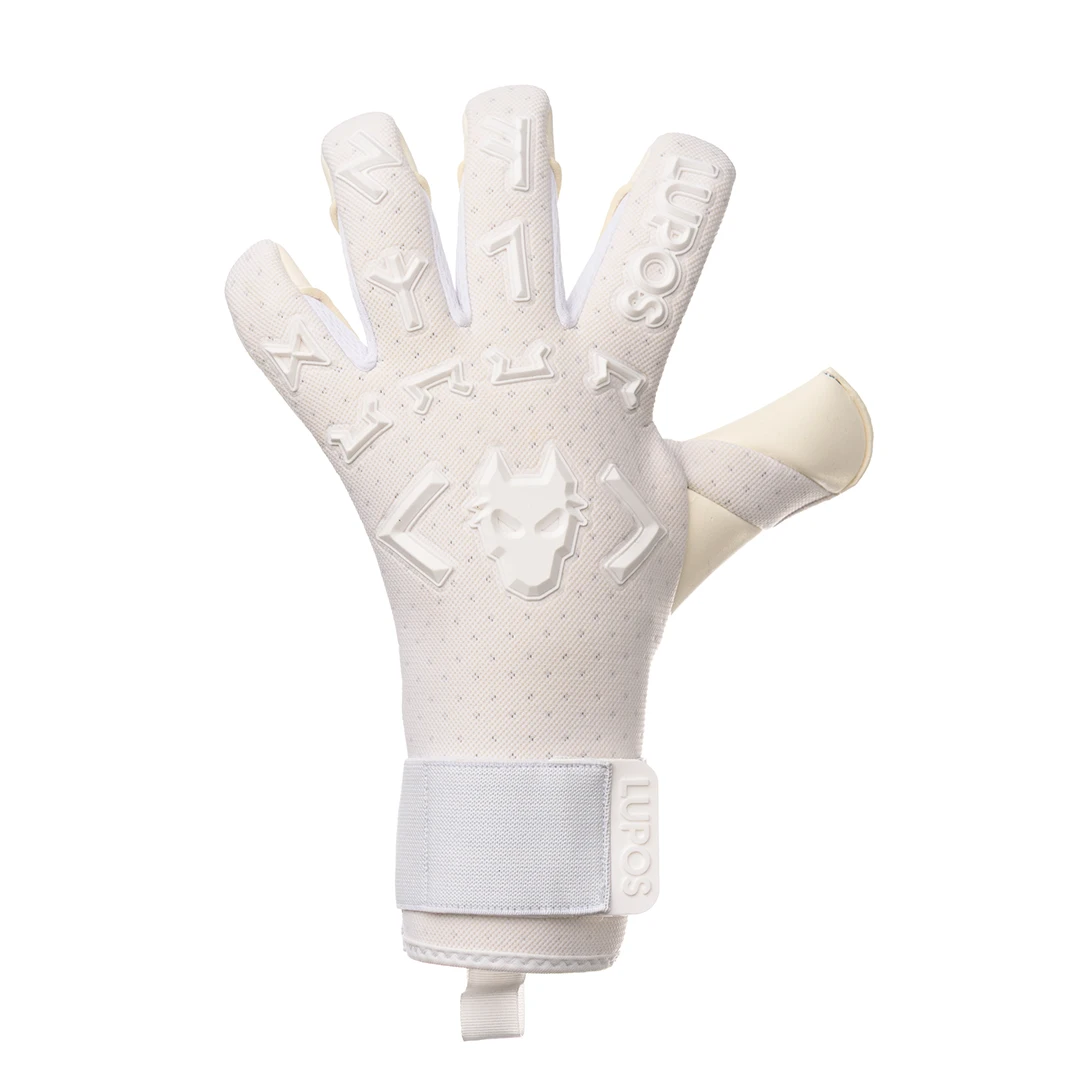
Multiple Ball Drills Use 4–6 balls lined up at the edge of the box. Two people rapidly send balls toward the goal, while the goalkeeper reacts continuously without a break. This type of training improves reaction time in unpredictable situations, such as sequences with consecutive shots. It is important to choose the right model from various types of goalkeeper gloves to ensure protection and grip during every save.
Reactions to Light or Voice Commands
The coach uses voice commands ("left", "right", "up", "down") or visual signals (flashlight / colored sticks). The goalkeeper reacts based on the signal and executes a save in the indicated direction. This trains reactions based on unforeseen stimuli, which is very useful during matches.
Clearing the Ball After a Rebound
The ball is thrown off the ground or a wall so that it bounces back unpredictably. The goalkeeper must either block it or parry it sideways. Deflections are very common in football, and this drill helps with control and reaction in real game situations.
Rapid Diving from a Fixed Position
The goalkeeper kneels or sits on the ground, and the coach sends balls left and right. The goalkeeper must reach the ball only by diving, without fully standing up. This exercise strengthens explosive reflexes and body coordination during acrobatic saves.
1-on-1 Duel with Quick Finishing
The attacker starts with the ball 5 meters from the goalkeeper and finishes immediately, without faking. The goalkeeper must decide in a split second whether to block the ball, close the angle, or wait for the shot. This drill perfectly mimics match situations and develops decision-making reflexes.
Rebounder or Trampoline Drills
The ball is struck against a rebounder (elastic panel), and the goalkeeper must react to the rebound. The trajectory becomes unpredictable, stimulating reflexes and rapid adaptation. It can be combined with dives or multiple balls for maximum intensity.
Excellent reflexes are essential for any football goalkeeper who wants to perform at a high level. The exercises presented above help develop fast reactions, correct decisions, and effective interventions in unpredictable situations. Through constant training, variety, and intensity, any goalkeeper can visibly improve their reflexes, becoming more secure in goal and harder to beat.
Goalkeeper Training Plan & Gear
| Football Goalkeeper Drill | Objective | Equipment Needed | Football Goalkeeper Gloves Recommended by Lupos GK | Duration |
| Rapid Short-Range Throws | Instant reaction to close-range shots | Football | Hybrid Palm gloves (Roll/Negative) for high grip | 5–7 sets x 30 sec |
| Reflexes with Tennis Balls | Developing fine hand-eye coordination | Tennis balls | Training gloves with durable latex (Training Grip) | 4–6 sets x 1 min |
| Direction Changes with Cones & Final Shot | Reaction after intense movement | Cones + ball | Negative Cut gloves for mobility and sensitivity | 6–8 reps |
| Rapid Blocking in Tight Spaces | Reactions in limited movement conditions | 2×2 m zone + balls | Gloves with Fix Fit or Negative for fast reactions | 5–6 sets x 1 min |
| Multiple Balls from Different Angles | Rapid response to consecutive shots | 4–6 balls + partners | Roll Finger or Hybrid gloves (more contact surface) | 4 sets x 40–60 sec |
| Voice Commands or Lights | Reaction to unpredictable stimuli | Colored sticks/flashlight | Lightweight gloves with Negative Cut for mobility | 5 sets x 1 min |
| Wall Rebound | Reaction to ball deflections | Wall + ball | Gloves with durable palm, abrasion-resistant | 6–8 sets x 45 sec |
| Diving from Fixed Position | Explosive reflex + diving coordination | Football | Gloves with finger protection (Finger Save) | 10–12 reps per side |
| 1-on-1 Duel with Quick Shot | Quick decision in direct duel | Ball + attacker | Gloves with max grip, Negative/Hybrid for direct contact | 8–10 reps |
| Reaction with Rebounder/Trampoline | Adaptation to unpredictable trajectories | Rebounder/Trampoline | Hybrid or Roll Finger gloves for large contact surface | 5–7 sets x 50 sec |
Reflex improvement exercises are the foundation of a modern goalkeeper's performance. From 1-on-1 interventions to close-range shots and unpredictable rebounds, quick reflexes transform an average goalkeeper into a decisive player. Through varied, consistent training adapted to age, every goalkeeper can develop reactions, coordination, and mobility in real-game situations.
The right equipment, especially goalkeeper gloves suitable for the type of exercise, plays an essential role in progress. By investing in durable training gloves and match gloves with maximum grip, reflexes can be trained more efficiently, and hand safety is significantly increased.