 EN
EN  Romana
Recovery after an intense workout is just as important as the training itself. Many amateur or professional athletes focus only on effort, ignoring the time the body needs to recover. Without proper recovery, performance decreases, the risk of injuries increases, and the muscles become overworked. Whether you practice contact sports, strength training, fitness, or running, applying the right strategies helps you get back in shape quickly, with more energy and better results. In this article, you will discover 10 effective tips for fast post-workout recovery, along with suggestions for equipment and accessories available in the LuposGK store.
Hydrate immediately after exercise
During training, the body loses water and electrolytes. Dehydration affects muscle recovery and prolongs fatigue. In the first 30 minutes after your workout, drink water or an isotonic beverage to restore fluid balance. You can also include a light carbohydrate-based snack to speed up recovery.
Focus on muscle recovery
Proteins support the repair of muscle fibers damaged during intense exercise. A protein-rich meal or a protein shake after training promotes muscle growth and reduces muscle soreness. Use compression tights for goalkeepers, which support circulation and contribute to muscle recovery.
Consume quality carbohydrates for the energy you need
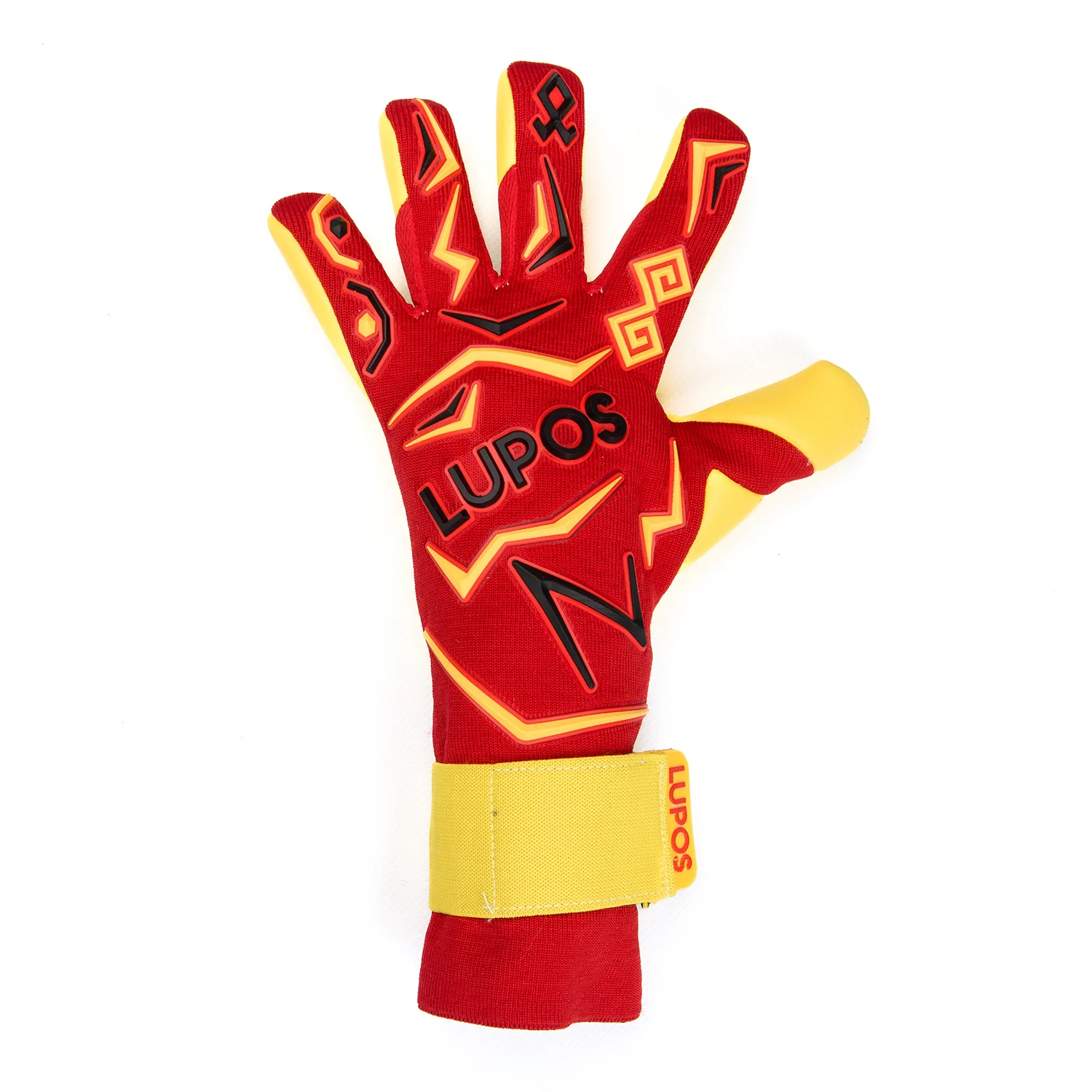
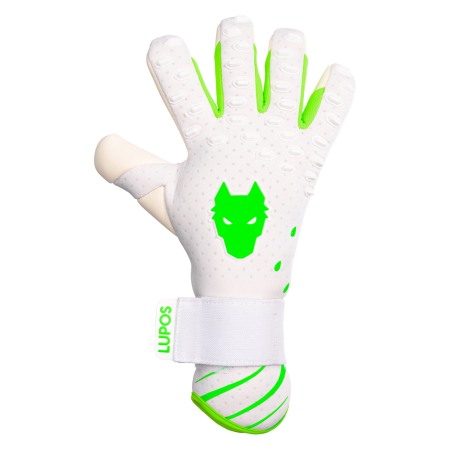
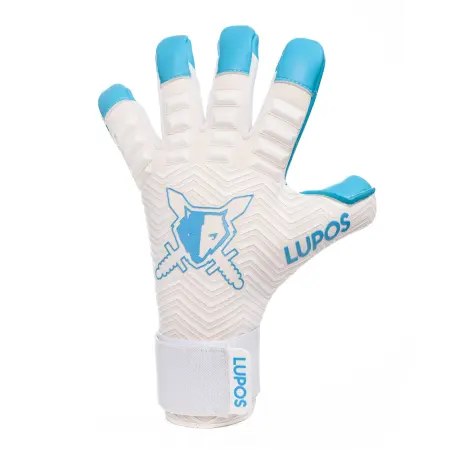
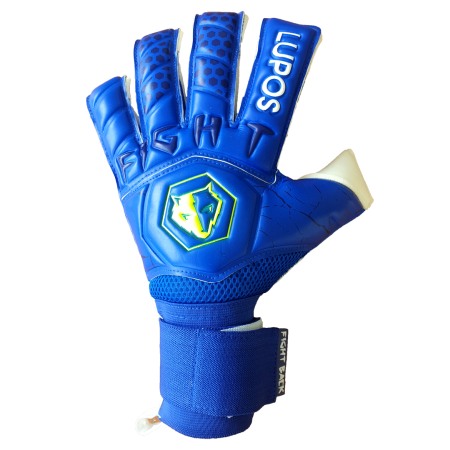
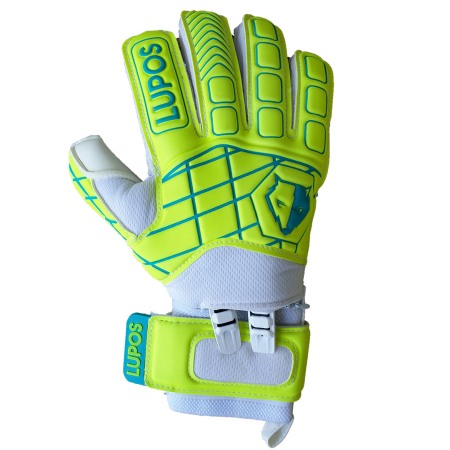
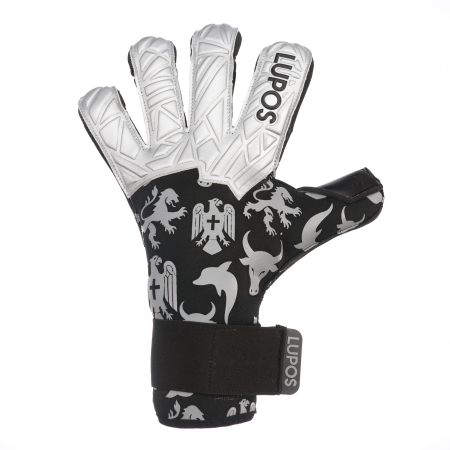
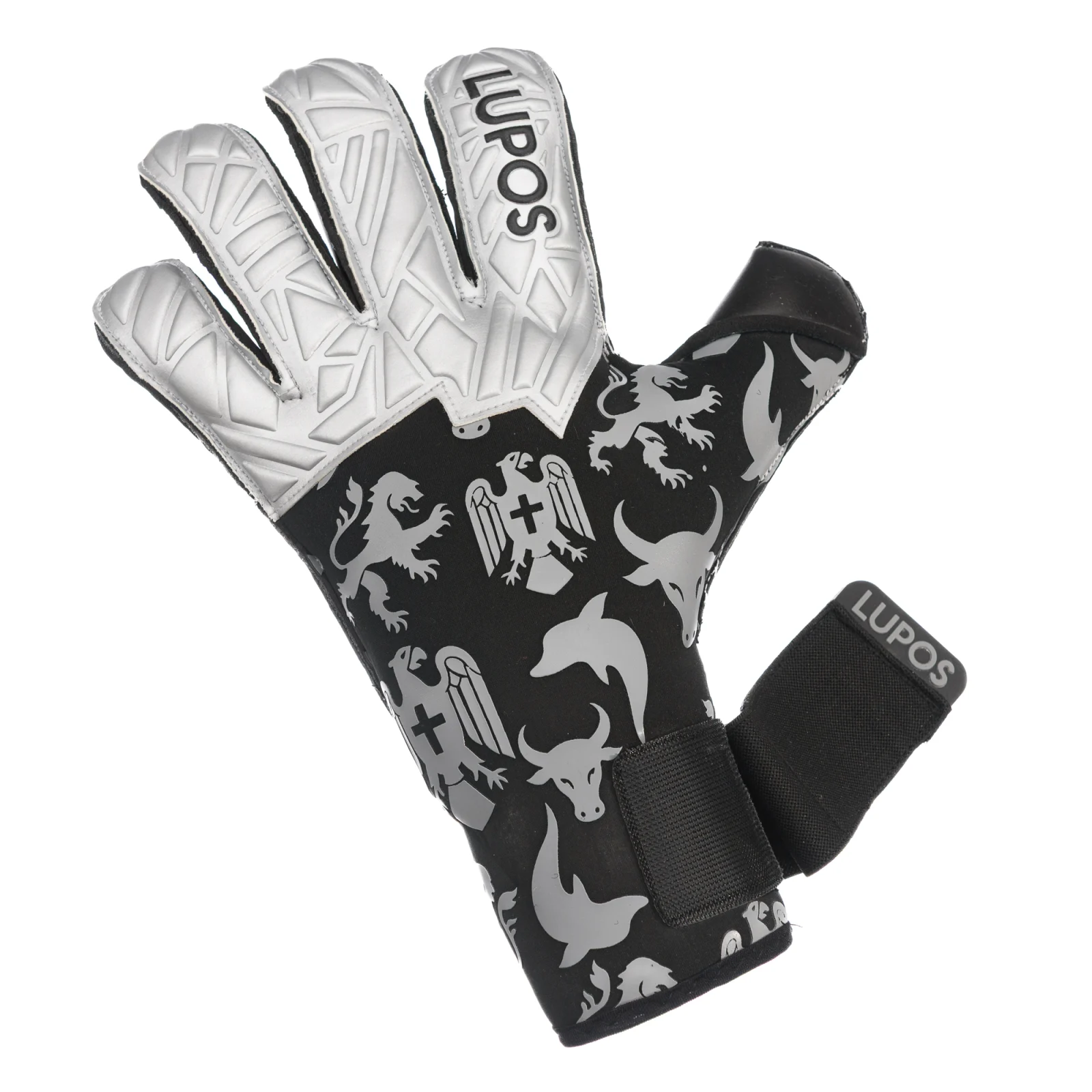
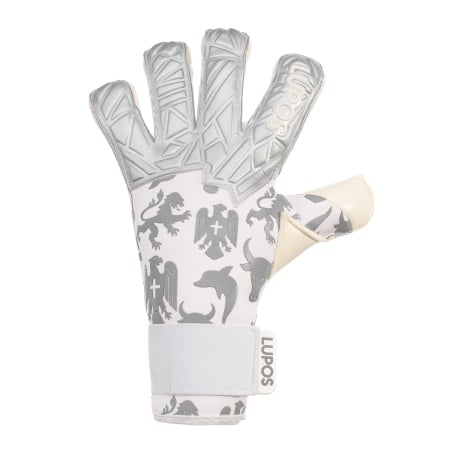
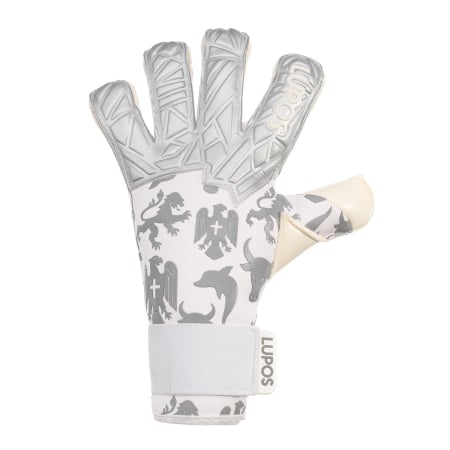
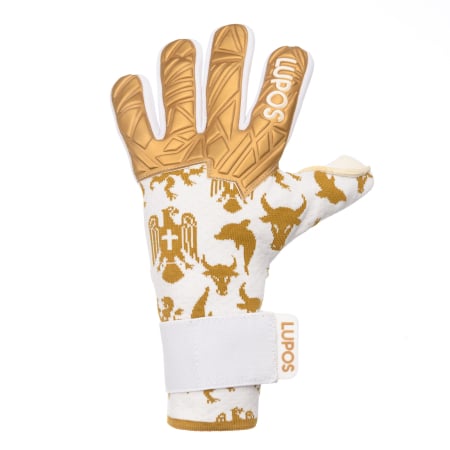
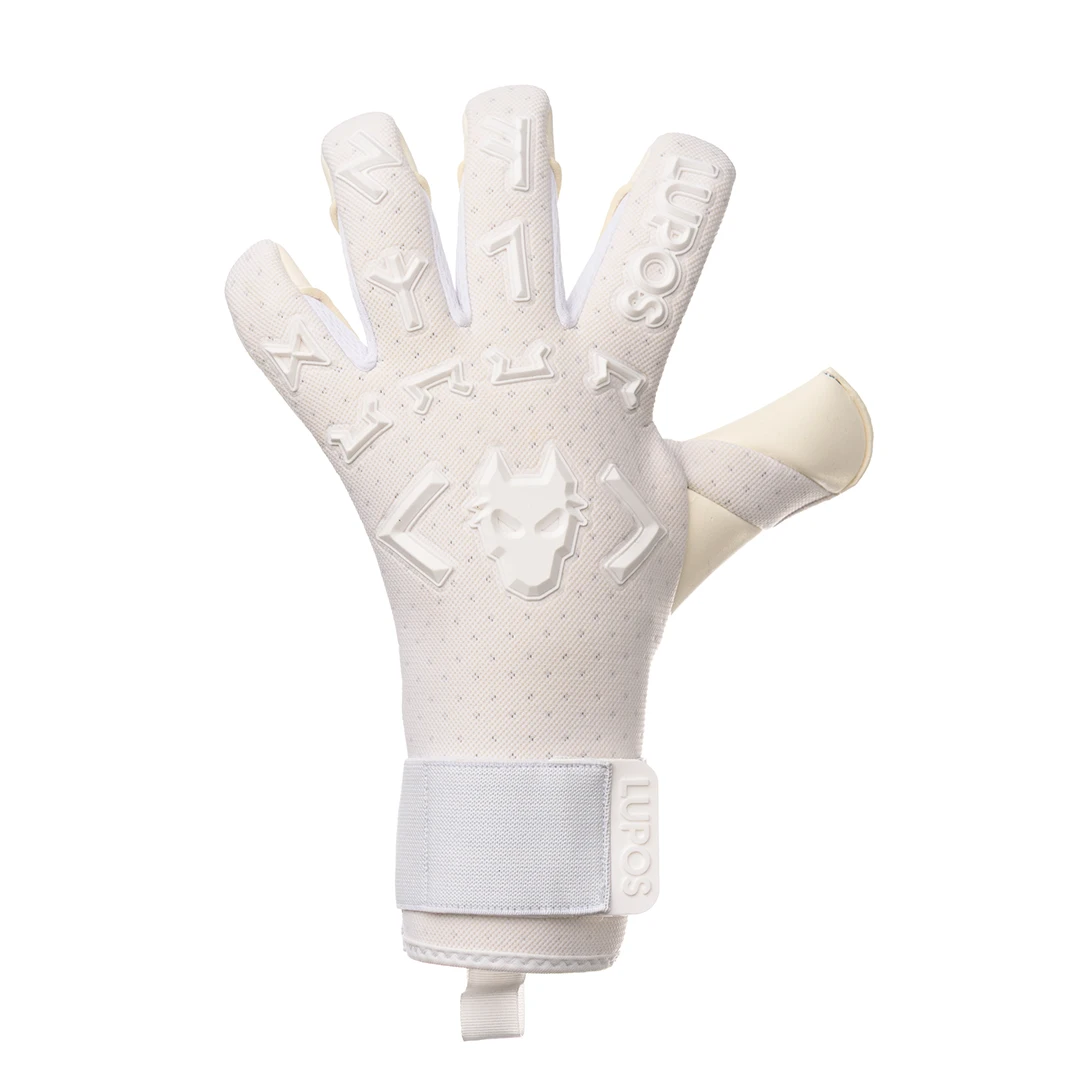
Carbohydrates replenish glycogen stores essential for performance. After intense effort, choose sources such as whole-grain rice, sweet potatoes, fruits, or oats. Combined with protein and hydration, this step accelerates recovery. If you're a team athlete, make sure your gear includes goalkeeper gloves or other specialized accessories from LUPOS to maintain a steady performance level.
Stretching and mobility after training
Stretching exercises relax tense muscles, improve mobility, and reduce the risk of injuries. Set aside at least 10 minutes at the end of your session for static stretches and breathing exercises. To avoid injuries during training, choose appropriate equipment, such as the Drako padded goalkeeper jersey, which offers extra protection and helps maintain mobility even after demanding physical activity.
Alternate hot and cold showers
Alternating hot and cold water—or cold plunges for 10–15 minutes—reduces muscle inflammation and discomfort after exertion. This recovery method helps stimulate blood circulation and speeds up the removal of metabolic waste products. Professional athletes consider it an effective way to “reset” the body.
Sleep – the key element of recovery
Quality sleep is indispensable for complete recovery. During sleep, the body releases growth hormone and repairs muscle fibers. Athletes need at least 7–9 hours per night for optimal results.
Sports massage and self-massage
Massage reduces muscle tension, boosts blood circulation, and prevents stiffness. If you don’t have access to a specialist, use a foam roller or massage balls for self-massage, focusing on areas that worked the hardest (thighs, calves, back).
Useful supplements for recovery
Although a balanced diet is essential, supplements can speed up recovery. BCAAs, glutamine, magnesium, and Omega-3s are the most recommended. Consult a specialist before using supplements after sports training.
Do not train the same muscle groups every day
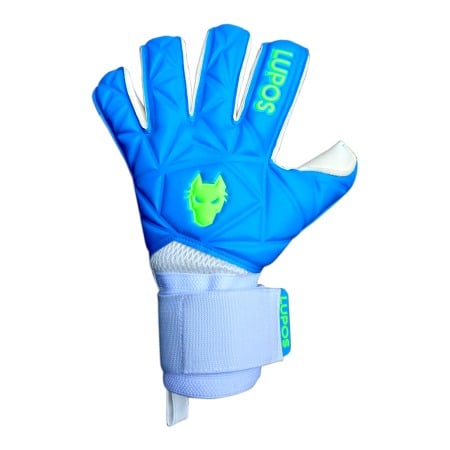
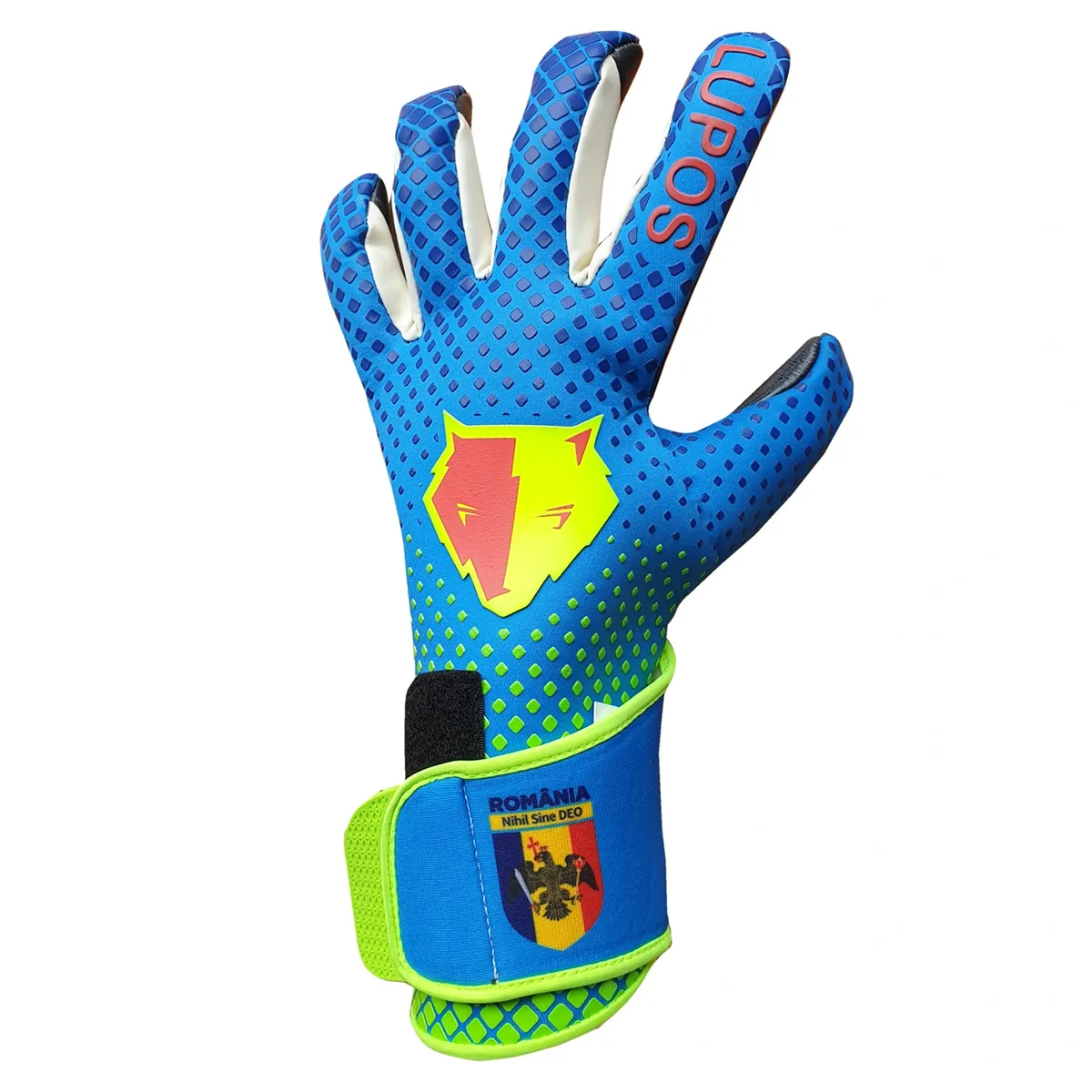
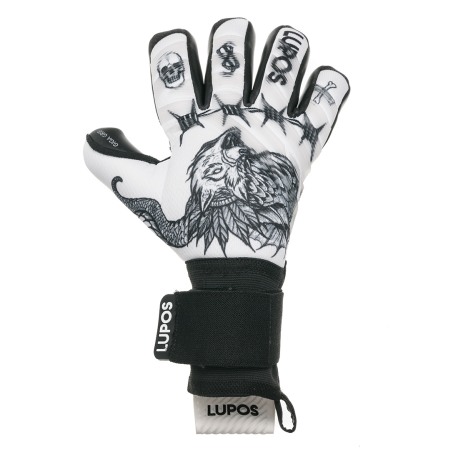
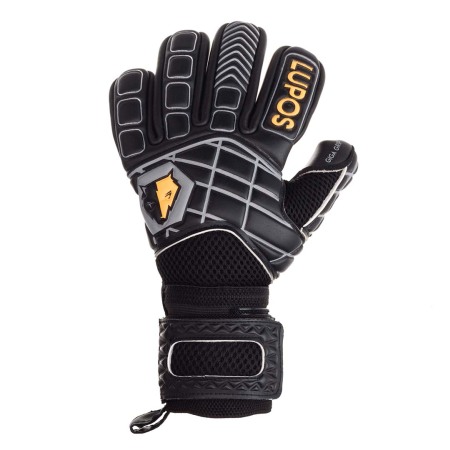
Alternating muscle groups prevents overuse. For example, if you’ve had an intense strength workout one day, you can work on mobility or go for light hikes the next day. For goalkeeper-specific training, use goalkeeper gloves and specialized goalkeeper gear. Choosing proper equipment and accessories prevents additional strain during training, reducing the risk of injury and maximizing the benefits of recovery.
Listen to your body and avoid overtraining
Persistent pain, unusual fatigue, lack of motivation, or decreased performance are signs of overtraining. Good health involves balance between work, rest, and recovery.
Recovery after training is an important stage in sports preparation. It supports performance, increases muscle mass, and prevents injuries. With proper hydration, adapted nutrition, quality sleep, recovery techniques (stretching, massage, contrast showers), and proper equipment, you will notice significant improvements in energy and strength levels. A high-performing athlete is not the one who trains the most, but the one who knows how to recover smartly. Discover the best advice for goalkeepers and players from LuposGK!