 EN
EN  Romana
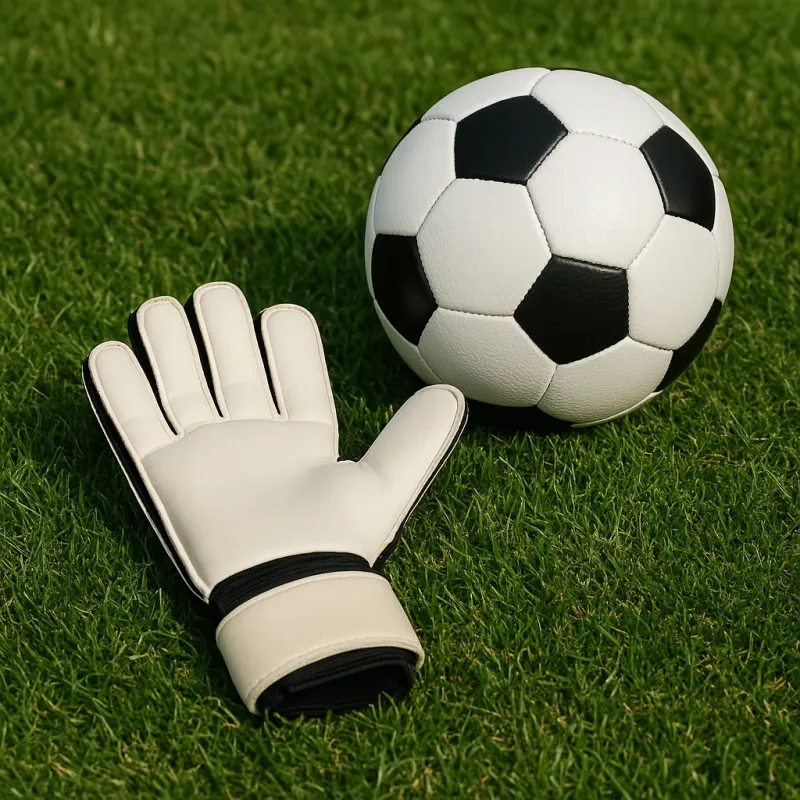
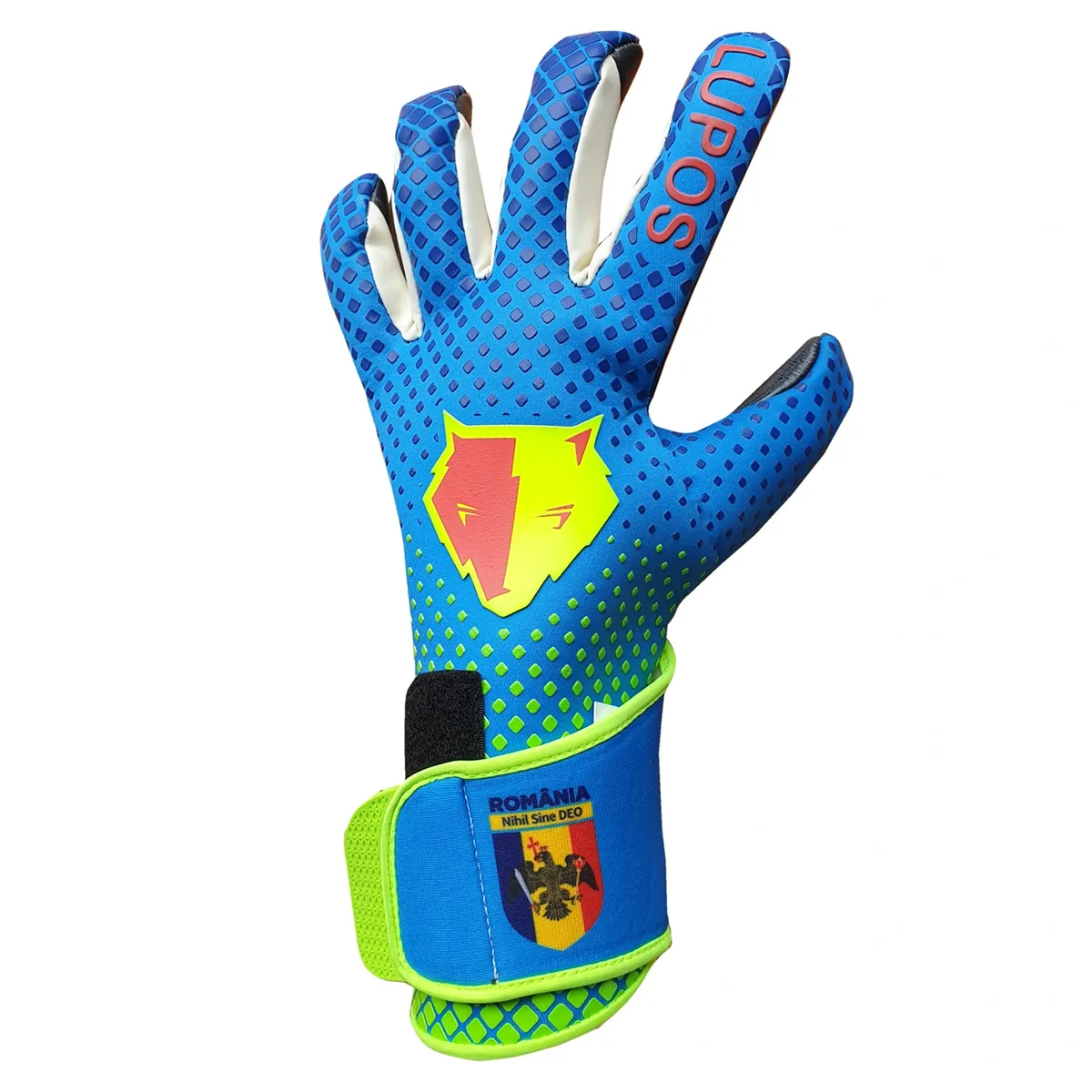
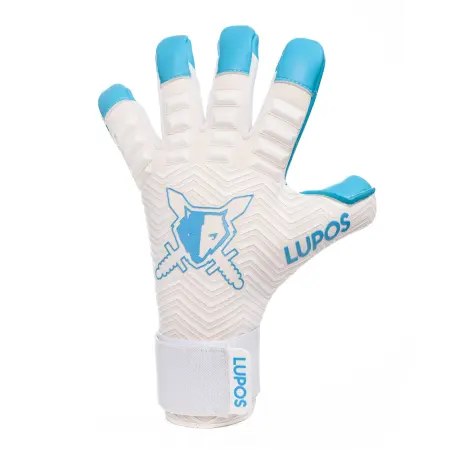
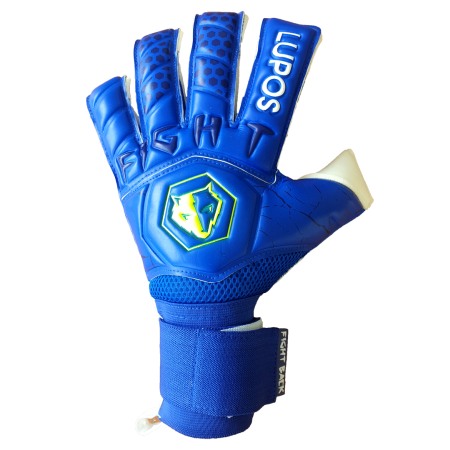
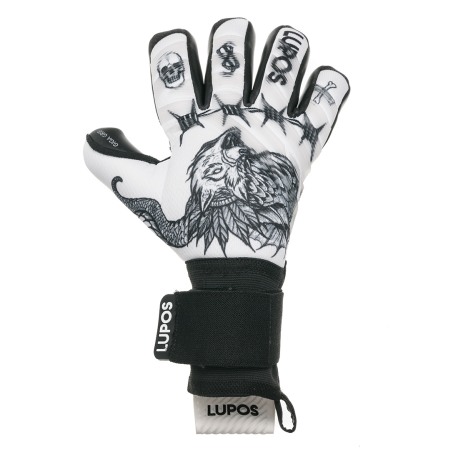
If you play football on a synthetic pitch, as a goalkeeper you already know that the surface is unforgiving. The grit, constant friction and harder impacts from diving put a lot of pressure on the materials. Goalkeeper gloves that are durable on natural grass can quickly fail on synthetic, especially if you use them every training session. LuposGK presents goalkeeper gloves adapted to playing on synthetic, clear explanations about grip, latex, cut and comfort.
Why synthetic pitches require different gloves
The synthetic surface acts as a constant abrasive. With every lift from the ground, the latex comes into direct contact with the grit. In most cases, a soft latex, designed for matches on natural grass, will wear out faster and lose its grip after a few sessions.
Gloves suitable for synthetic use denser latex and a more robust backhand. Manufacturers accept a realistic compromise: enough grip for control, but with a longer lifespan. For everyday use, this choice means fewer gear changes and better managed costs.
What matters most on synthetics
Latex and palm thickness
For consistent results, choose contact latex or dense, medium-to-thick variants. These offer consistent grip on dry surfaces and react decently on slightly damp surfaces. Very soft latexes grip the ball well, but give way quickly to friction.
Cut and seam protection
Negative cut and hybrid cut keep the fingers tighter and reduce exposed areas. The seams remain more protected when in contact with the ground. Roll Finger offers more latex on the ball, but synthetics wear out faster. If you train often, it is worth prioritizing durability.
Wrist attachment
Ground impact feels harder on synthetics. A secure strap and stable cuff help control and reduce the risk of unwanted hand movement inside the glove. Very loose models can create discomfort over time.
7 goalkeeper glove recommendations for synthetic pitches
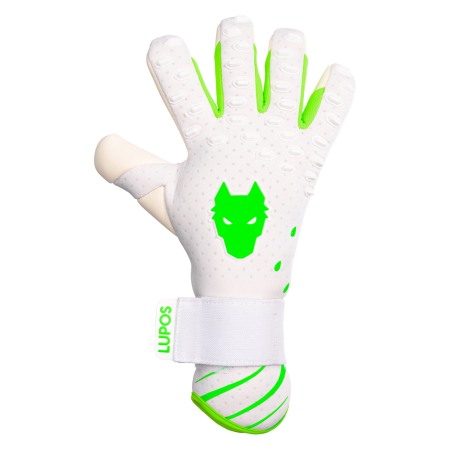
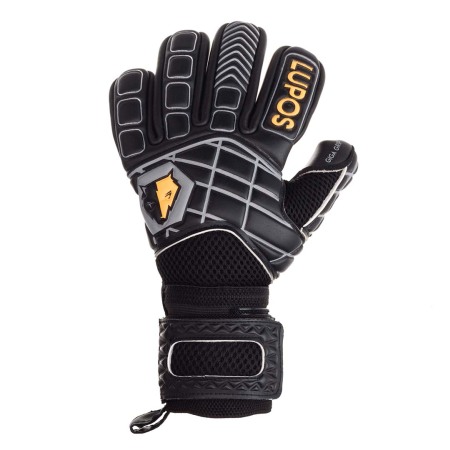
1. Lupos Phantom – balance between grip and control
Suitable for: matches and intense training on synthetic pitches
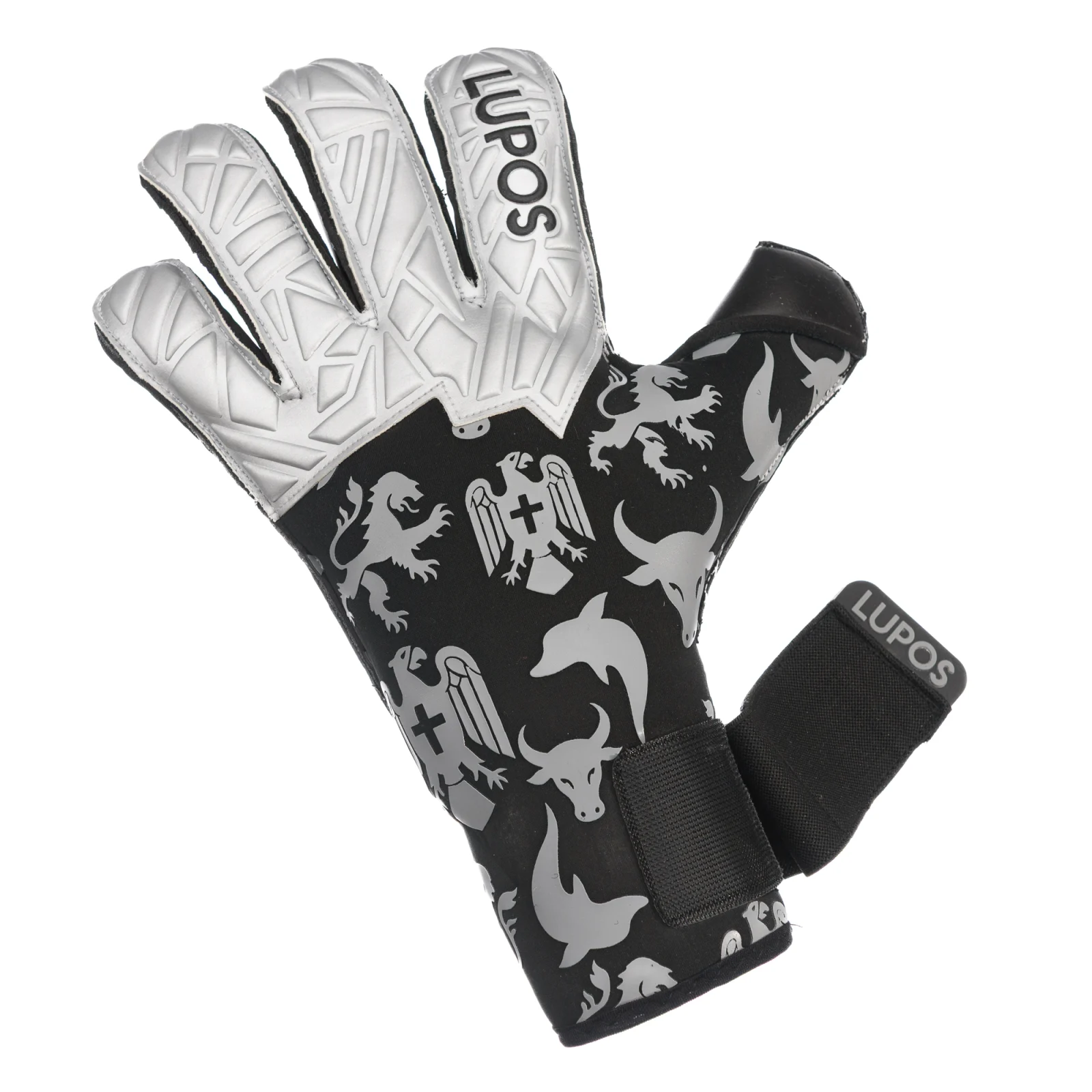
Lupos Phantom uses Contact latex and Negative cut, a combination frequently chosen by active goalkeepers. The palm provides constant grip, and contact with the ball remains secure in most playing situations. The tight cut reduces unnecessary hand movements and protects the seams.
The ventilated backhand helps with comfort during long training sessions, and the modern design easily matches the rest of the goalkeeper's equipment. If you play several times a week and want a pair that can handle the pace, Phantom is a solid option. Full details can be found here: https://luposgk.eu/manusi-portar/manusi-portar-lupos-phantom-6-6-4.html.
2. Lupos Patriot – stability and good cushioning
Suitable for: goalkeepers who focus on durability
Patriot uses Contact Ultimate latex and a thicker palm, designed to absorb shocks upon contact with the ground. On synthetics, this feature matters a lot, especially with repeated side dives.
The Negative cut maintains the flexibility of the fingers, and the airprene backhand supports ventilation. The model is suitable for goalkeepers in the lower leagues or those who play constantly at the amateur level. Full specifications are available here: https://luposgk.eu/manusi-portar/manusi-portar-lupos-patriot-8-71-4.html.
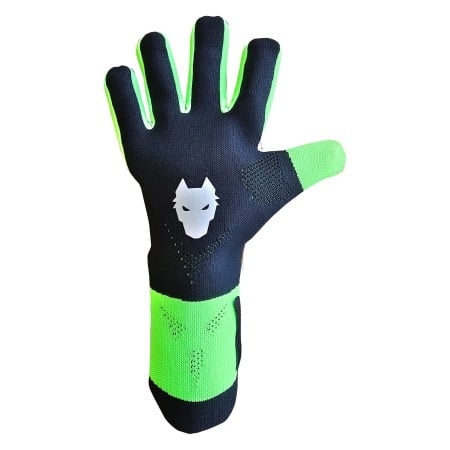
3. Lupos Viper – practical choice for frequent training
Suitable for: frequent use on synthetics
Viper is aimed at goalkeepers who enter the field every day. The dense latex does not promise extreme stickiness, but it withstands repeated friction well. For training 3–4 times a week, this approach helps maintain performance in the long term.
The design and color scheme offer a modern look, especially appreciated by young goalkeepers who are attentive to image and branding.
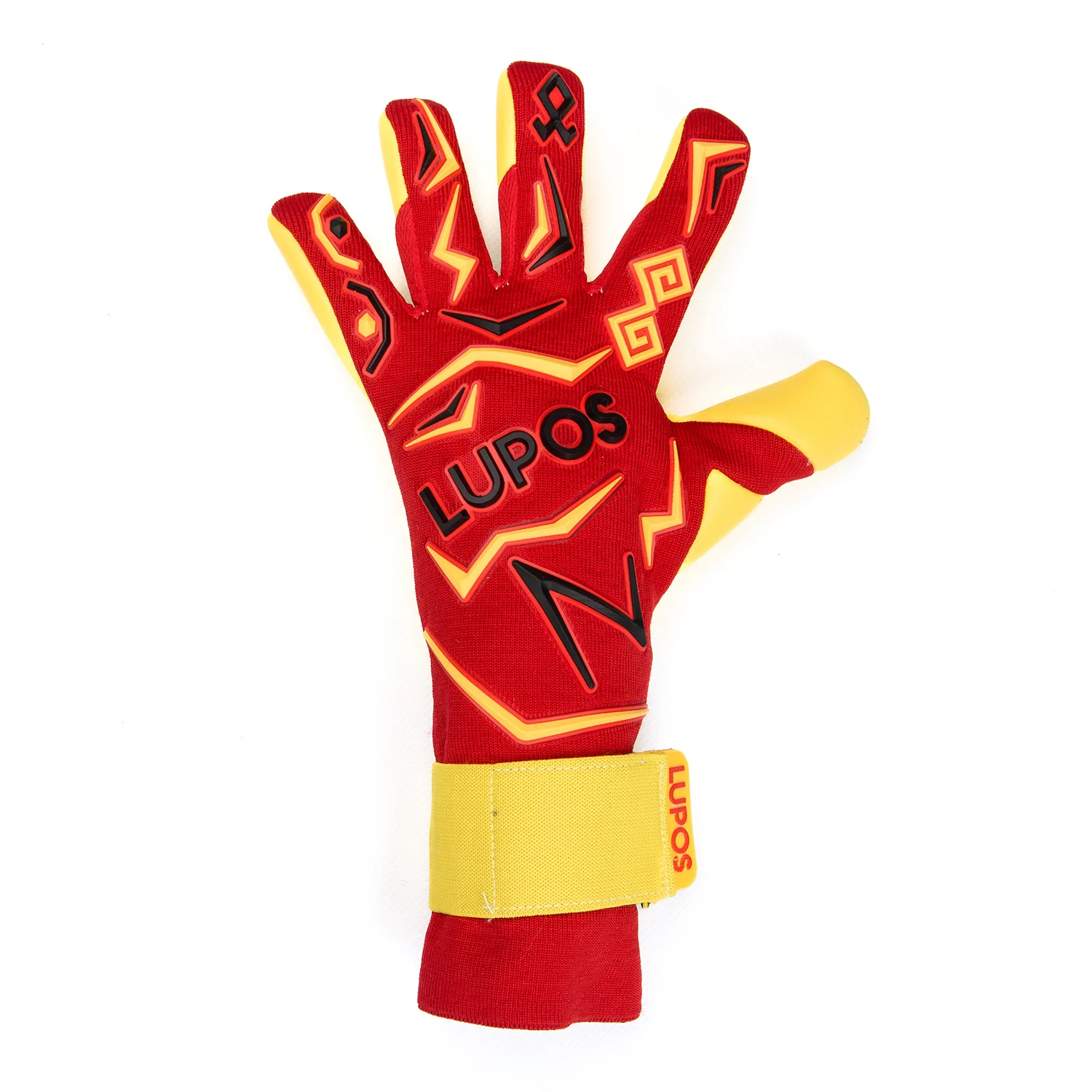
4. Lupos Gladiator – additional contact protection
Suitable for: aggressive playing style, with many dives
The Gladiator includes reinforced areas on the backhand and a more rigid construction. These details protect the hand from hard contact with the ground. The palm resists abrasion well, and the fastening system maintains stability during impact moments.
On older or very hard synthetic pitches, this model offers a level of safety appreciated by many goalkeepers.
5. Lupos Umbra – control and tight fit
Suitable for: technical goalkeepers, focused on grip
The Umbra relies on a cut that tightens the palm and improves the feeling of control. On synthetic, this fit reduces internal friction and helps with more even wear.
Latex performs well in dry weather, and the minimalist design integrates easily with other goalkeeper gear.
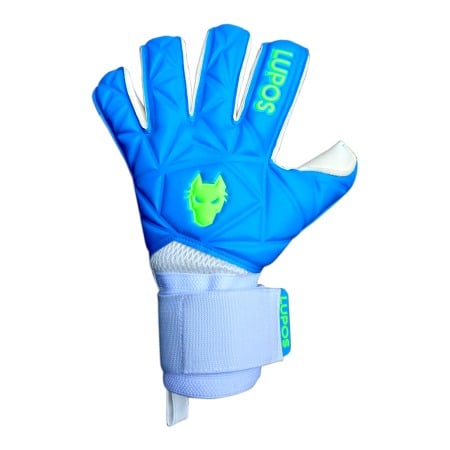
6. Lupos Azuro – consistent performance in varied conditions
Suitable for: dry or slightly damp synthetic pitches
Azuro offers consistent grip and a balanced construction, useful for both training and matches. For goalkeepers
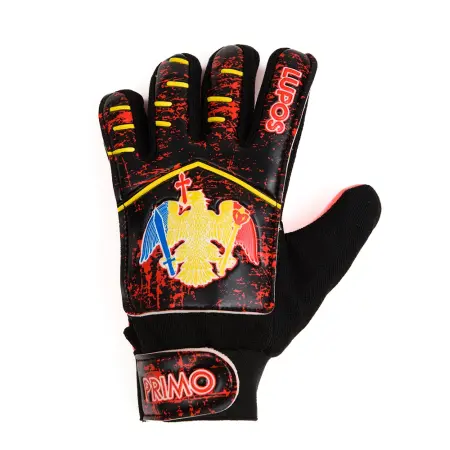
7. Lupos Primo (juniors) – kid-friendly durability
Best for: kids who play mostly on synthetics
For juniors, durability is key. Primo uses durable materials and a construction that’s designed for growing hands. The attractive design keeps little ones motivated, and parents appreciate the fact that the gloves last longer with frequent training.
How to choose based on budget and level
For those on a budget, focus on training models. They’re better able to withstand daily wear and tear. In the mid-range price range, you’ll find the balance most goalies prefer: consistent grip and decent durability. At the advanced level, many goalies use two different pairs, one for matches and one for training on synthetics.
If you want a broader picture of the local market, also consult the analysis dedicated to the selection of goalkeeper gloves in Romania: https://luposgk.eu/blog/care-sunt-cele-mai-bune-m%C4%83nu%C8%99i-de-portar-din-rom%C3%A2nia.html.
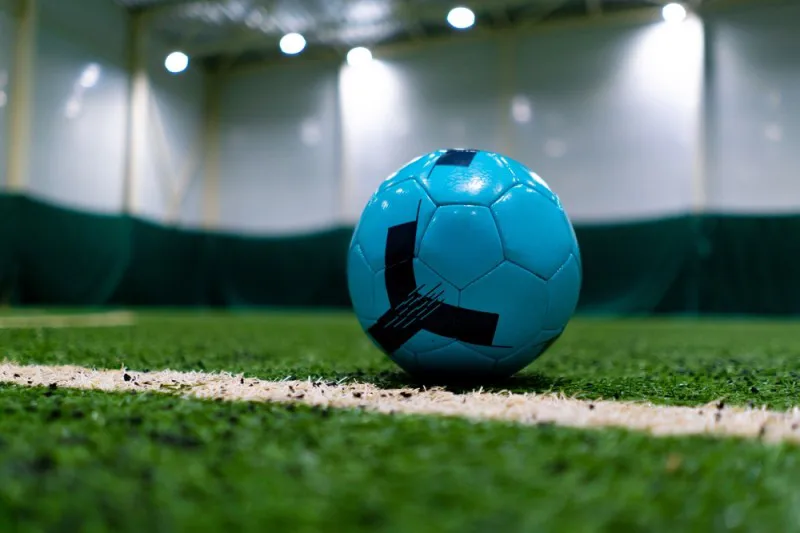 Synthetic pitches require durable, well-fitting goalkeeper gloves that are adapted to the constant friction. Choose dense latex, a cut that suits your style and a model that matches your playing level. This way, you protect your hands and equipment in the long term.
Save the list and discover the full range of goalkeeper gloves and goalkeeper equipment available on https://luposgk.eu/manusi-portar. Compare models, check the size guide and stay connected to new LuposGK releases.