 EN
EN  Romana
The choice of soccer ball directly influences the way a child or young athlete trains, plays and develops on the field. A ball adapted to the age, level and playing surface helps to form the correct technique, supports safety and makes each session more enjoyable. For parents, the right decision means fewer worries about injuries and an investment that lasts over time. For players, it means better control, confidence and a desire to get back on the field. Follow the steps below and make an informed decision, adapted to your needs:
1. Determine the age and level to choose the right size
The size of the ball is the first selection filter. An inappropriate size affects control and increases the risk of discomfort in the ankles or knees. Manufacturers use clear, easy-to-follow standards.
Size 3 – children under 8 years old For the first contacts with soccer, size 3 offers reduced weight and smaller diameter. Children can control the ball more easily and learn the basic movements without forcing the kick. For park play or introductory training, this remains the usual choice.
Size 4 – Juniors 8-12 years This size helps with the transition to organized play. The ball allows for more precise passing and shooting practice without excessive impact. For regular use in junior clubs, size 4 is frequently used in technical training.
Size 5 – Teens and Adults (12+ years) The competition standard for official matches. It has a circumference of approximately 68–70 cm and weighs between 410 and 450 g. Suitable for advanced training and games between teens or adults.
Useful note: there is no size 7 soccer ball. If you see this label, check the actual product specifications carefully.
2. Choose the material and type of stitching according to the frequency of play
The outer material influences the feel, durability and price. For stable results, it is worth correlating the material with how often it is played and with the specifics of each football goalkeeper.
Common materials
PU (polyurethane): used in high-quality balls. It offers pleasant contact with the foot, low water absorption and consistent behavior. For regular training and matches, PU remains the preferred option.
PVC: more rigid, more affordable and very wear-resistant. Suitable for recreational play and frequent training on hard pitches.
Types of seams
Manual seams: last well over time and maintain the shape of the ball.
Mechanical seams: a balanced solution for medium budgets.
Thermal bonding: the panels are joined without threads, and the ball absorbs less water. The trajectory remains constant, and the cost increases.
For a child who plays twice a week, PVC works well. For registered juniors or teenagers who train constantly, PU with quality seams offers better control.
3. Match the ball to the playing surface
The surface changes the way the ball rolls and wears. Using the same ball on all types of ground quickly reduces its lifespan.
Natural grass: standard ball, with a PU outer layer and good control.
Artificial grass: durable material and solid seams, adapted to abrasion.
Asphalt or concrete: ball dedicated to hard surfaces, usually made of thicker PVC.
Indoor (futsal): ball with low bounce that stays low.
Beach: lighter ball, with soft material.
For regular use, keep the match ball only for grass or turf. For daily play on asphalt, choose a separate model. This differentiation extends the lifespan and maintains performance.
For more dynamic training, you can combine the game with coordination and speed exercises. In the training accessories section you will find practical solutions, including an 8m agility ladder with 16 steps, useful for developing reaction and control.
4. Check the recommended pressure and actual weight
The pressure influences the trajectory and comfort of contact. The values appear printed on the ball and are expressed in BAR or PSI.
Common range: 0.6 – 1.1 BAR (8.5 – 15.6 PSI), depending on the model.
Use a pump with a pressure gauge for precise control.
Check the pressure before each game session, especially for children.
An overinflated ball becomes hard and tiring. An underinflated ball bounces unpredictably and puts more strain on the foot. For stable results, maintain the pressure within the range indicated by the manufacturer and avoid large temperature variations during storage.
5. Safety and quality standards
For children and juniors, safety remains a priority. Certifications show that the ball has passed weight, sphericity and water absorption tests.
FIFA Basic: minimum level accepted for training.
FIFA Quality: suitable for competitions and organized play.
FIFA Quality Pro: high standard, used at professional level.
IMS: solid alternative for regular training.
Always choose the right size and supervise children during the game. This article is for informational purposes only and does not replace the recommendations of a coach or doctor, especially in the case of special conditions.
6. Budget, brand and quality-price ratio
Price is not everything. A well-chosen ball lasts longer and performs consistently, even if it is not in the most expensive range. Well-known brands invest in testing and quality control, and the differences are felt over time.
For families with active children, it is worth choosing a ball adapted to the current level, not one “for the future”. A size that is too large or a material that is too hard slows down progress. For teenagers or adults who play frequently, a certified ball offers predictability and comfort.
7. Maintenance and correct use
Simple care extends the life of the ball and preserves its original behavior.
Basic steps
Clean the ball after play with water and a soft cloth.
Avoid aggressive detergents or hard brushes.
Store the ball in a dry place, away from direct sunlight.
Regularly check the seams and outer layer.
Check the pressure before playing.
Common mistakes
Daily use of the match ball on asphalt.
Ignoring the recommended pressure.
Keeping the ball completely deflated or overinflated for a long time.
Practical examples for quick decision
7-year-old child, recreational play: size 3, PVC, low pressure.
10-year-old junior, club training: size 4, PU, solid seams.
15-year-old teenager, matches: size 5, PU, FIFA Quality certification.
Checklist for purchase
The correct size (3, 4 or 5);
The main playing surface;
Material adapted to the frequency of use;
Recommended pressure clearly indicated;
Quality certification;
Useful accessories: pump, pressure gauge.
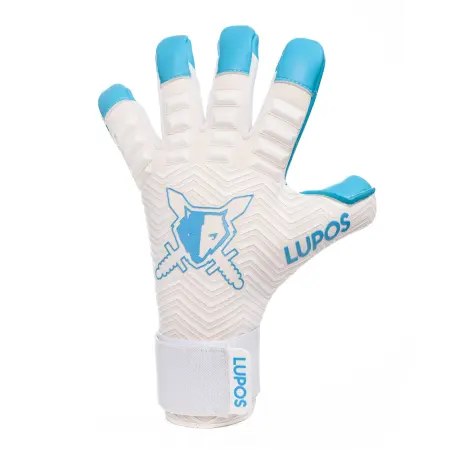
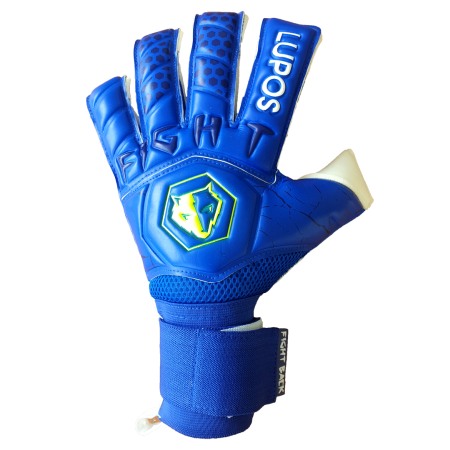
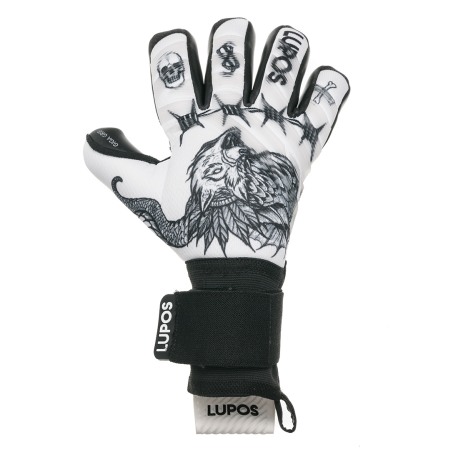
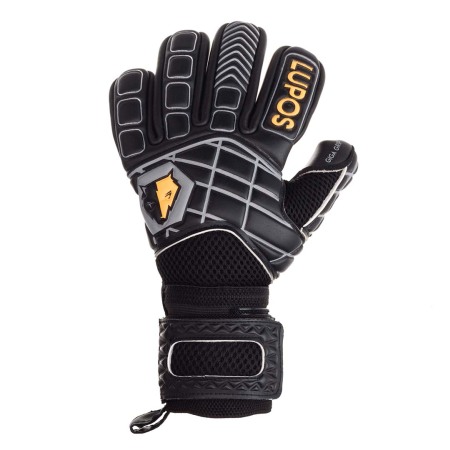
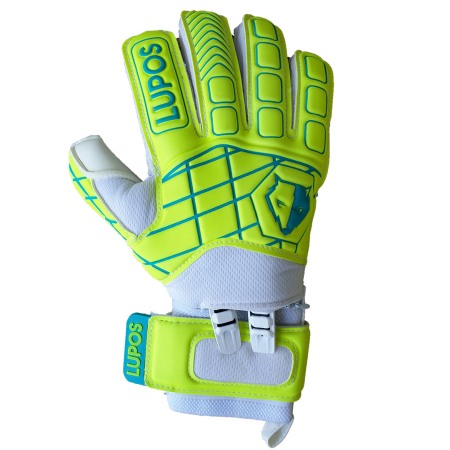
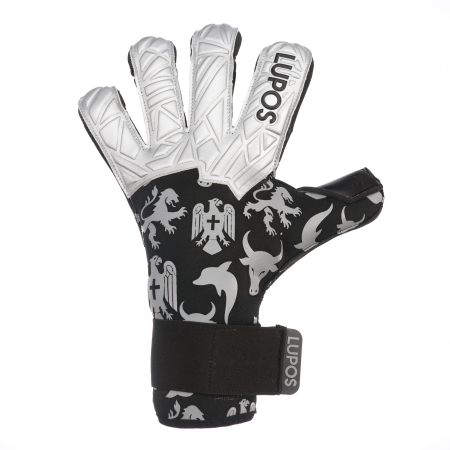
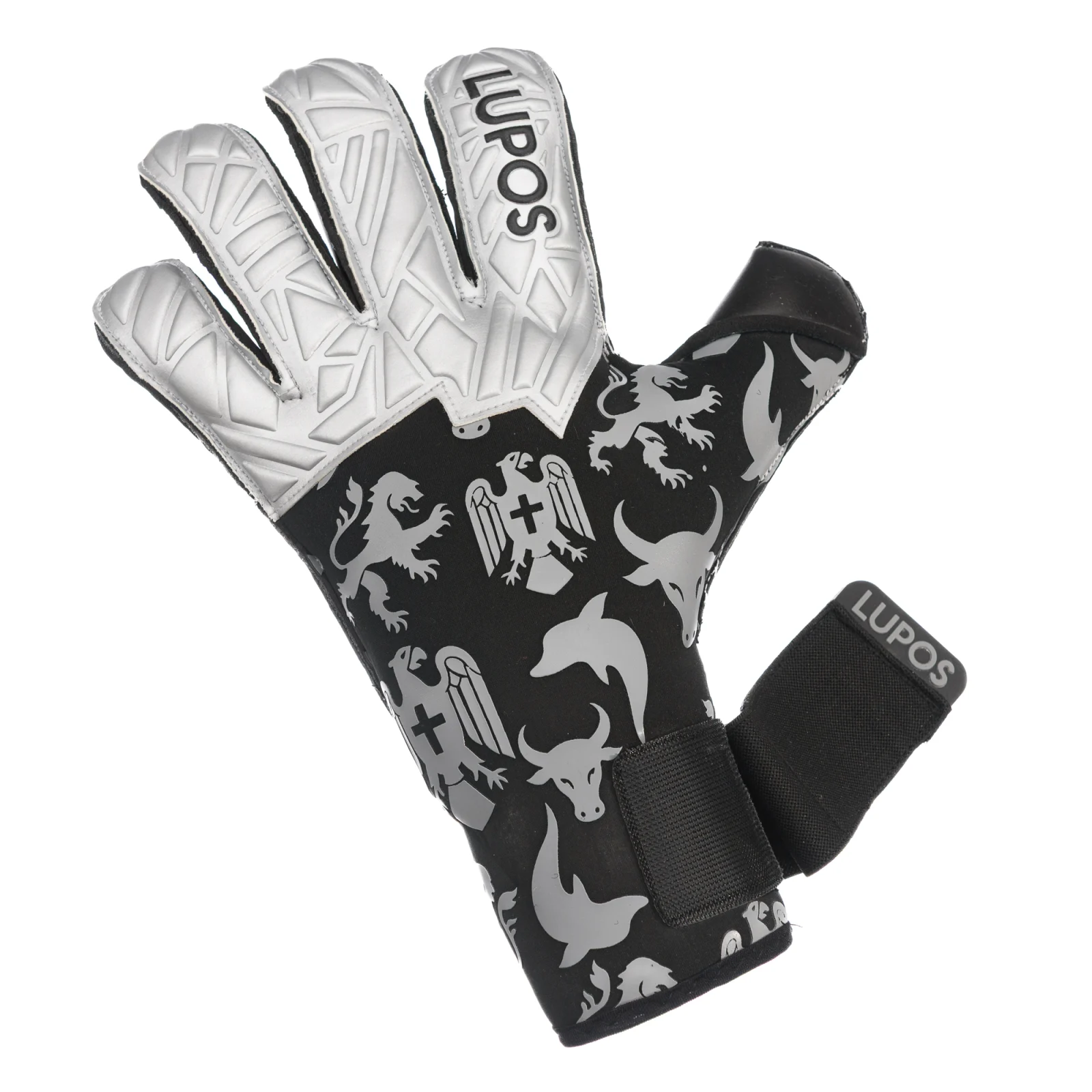
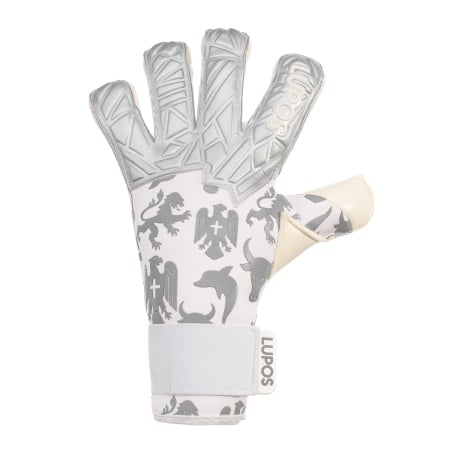
If you want to see complete football equipment, explore the LuposGK product range. For additional motivation, you can also read the top 5 inspirational quotes from famous football players. And for goalkeepers, the guide to the best goalkeeper gloves in Romania offers useful pointers for the right choice.
Choose informed, check the specifications and adapt the equipment to the current level. Discover the complete range of LuposGK goalkeeper gloves and goalkeeper equipment, explore new models and stay connected to future releases, to support long-term evolution.