 EN
EN  Romana
Football ensures complete and harmonious physical development
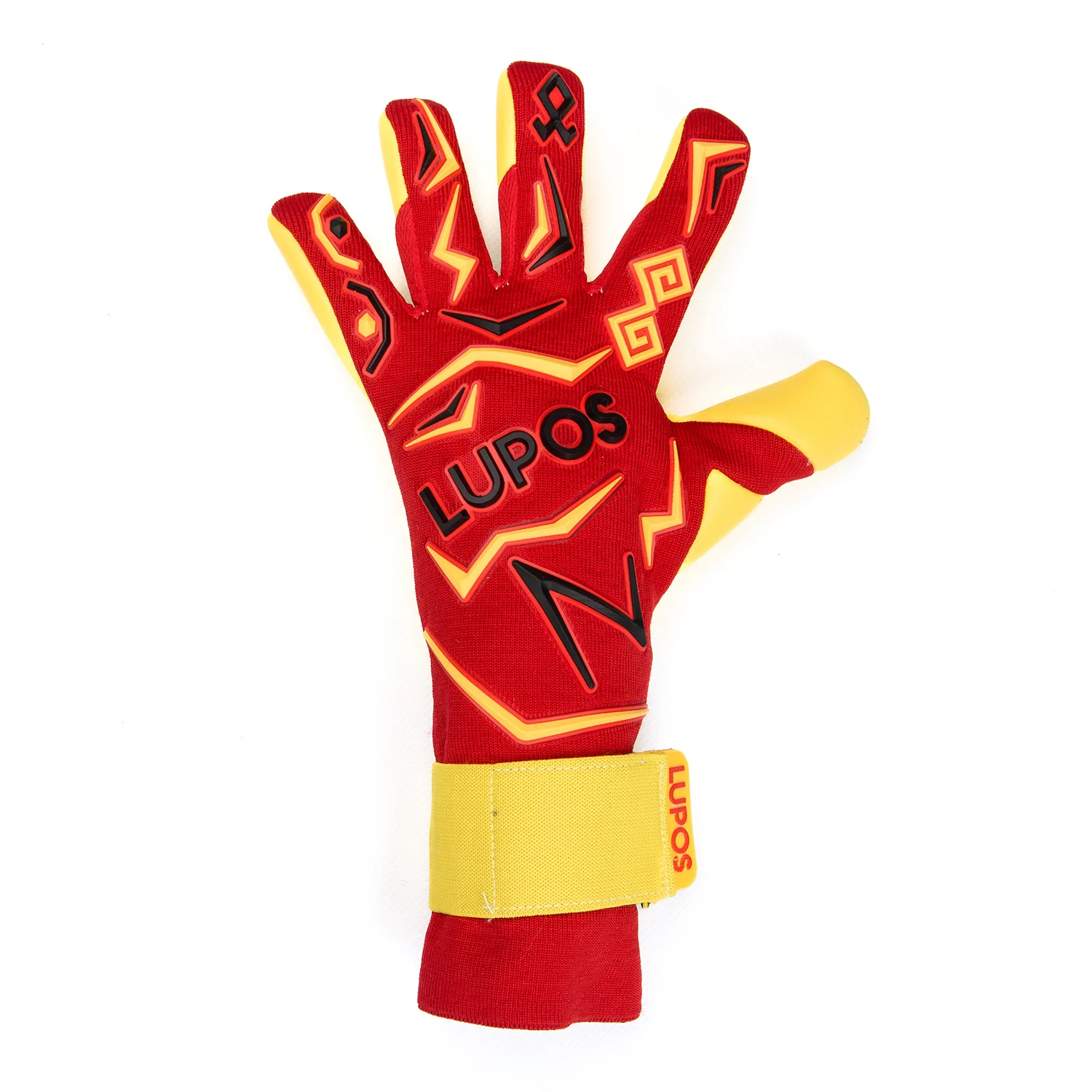
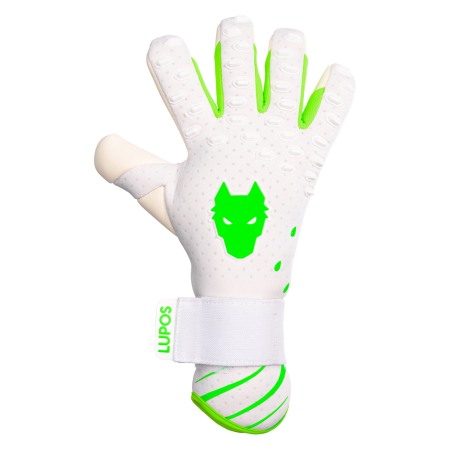
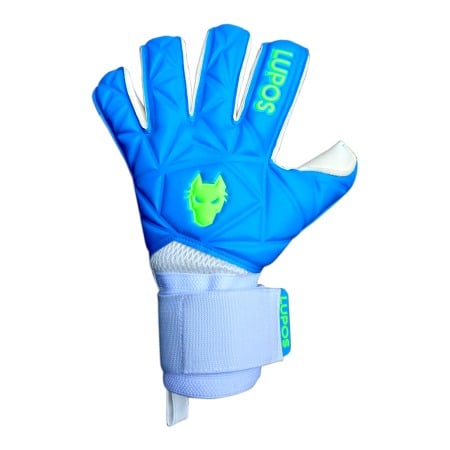
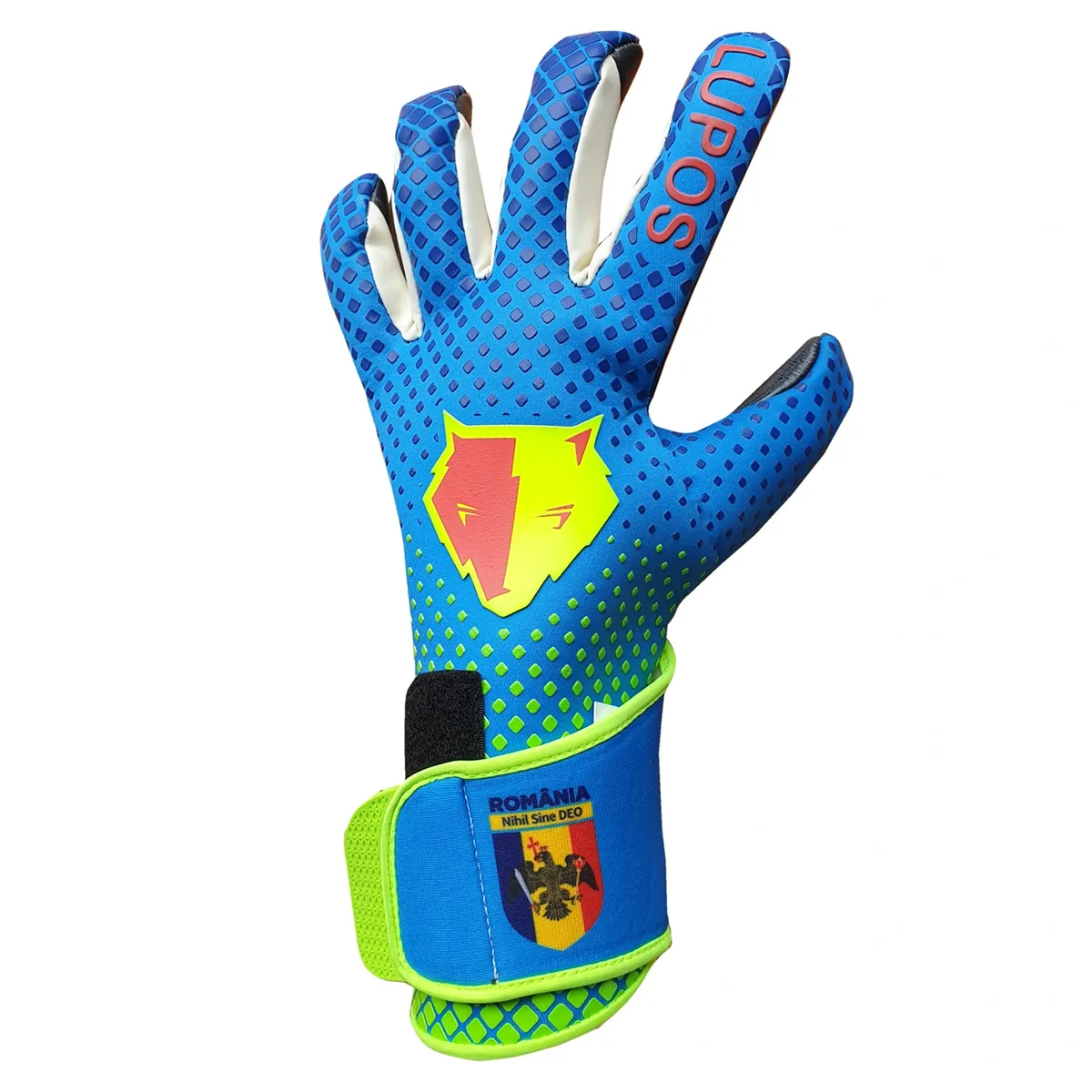
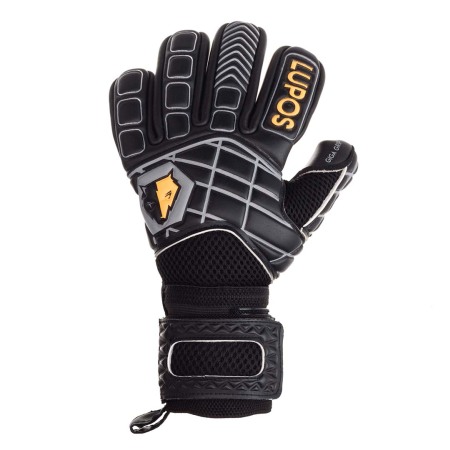
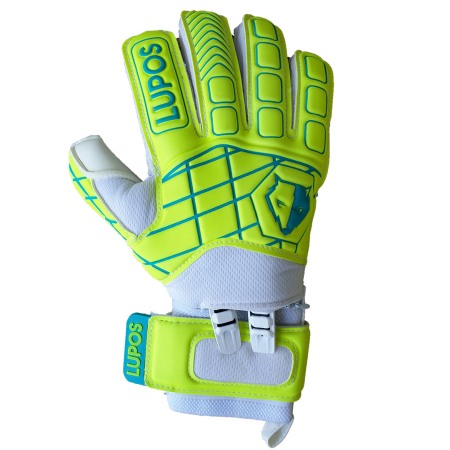
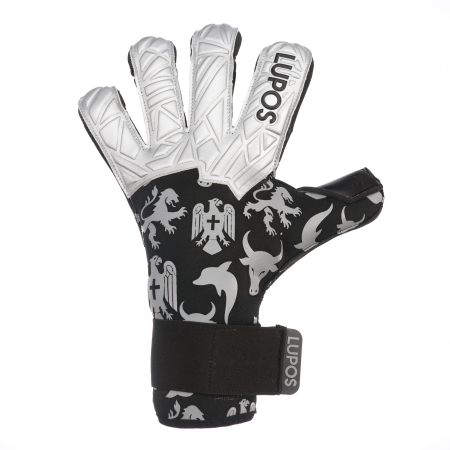
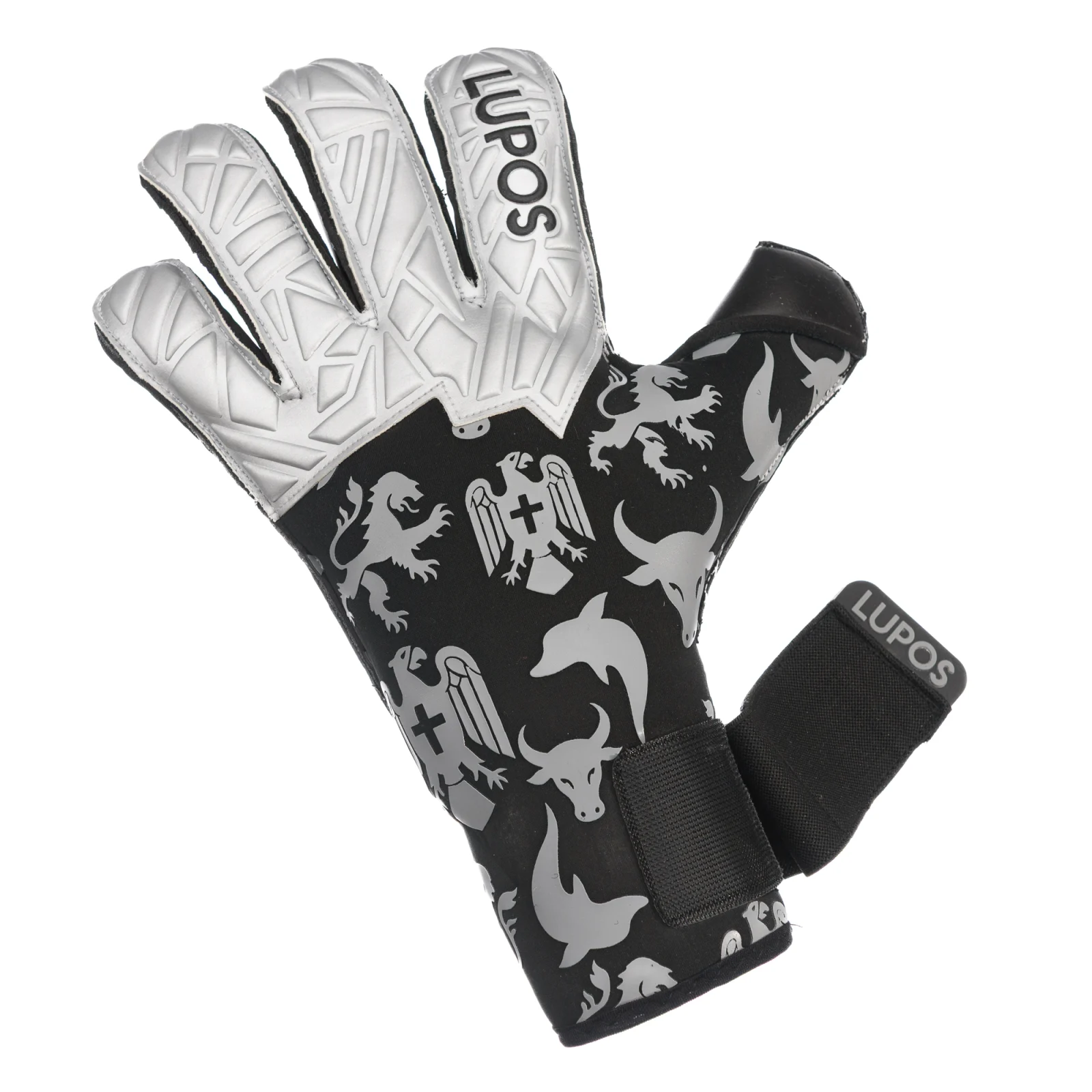
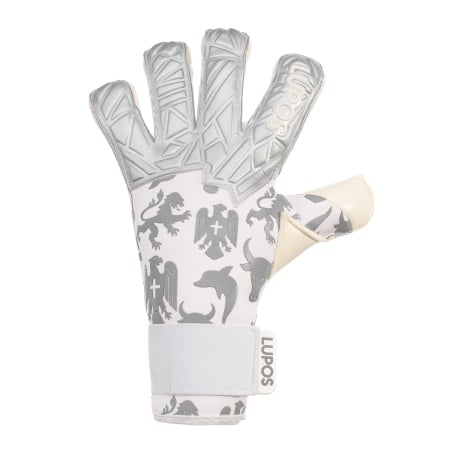
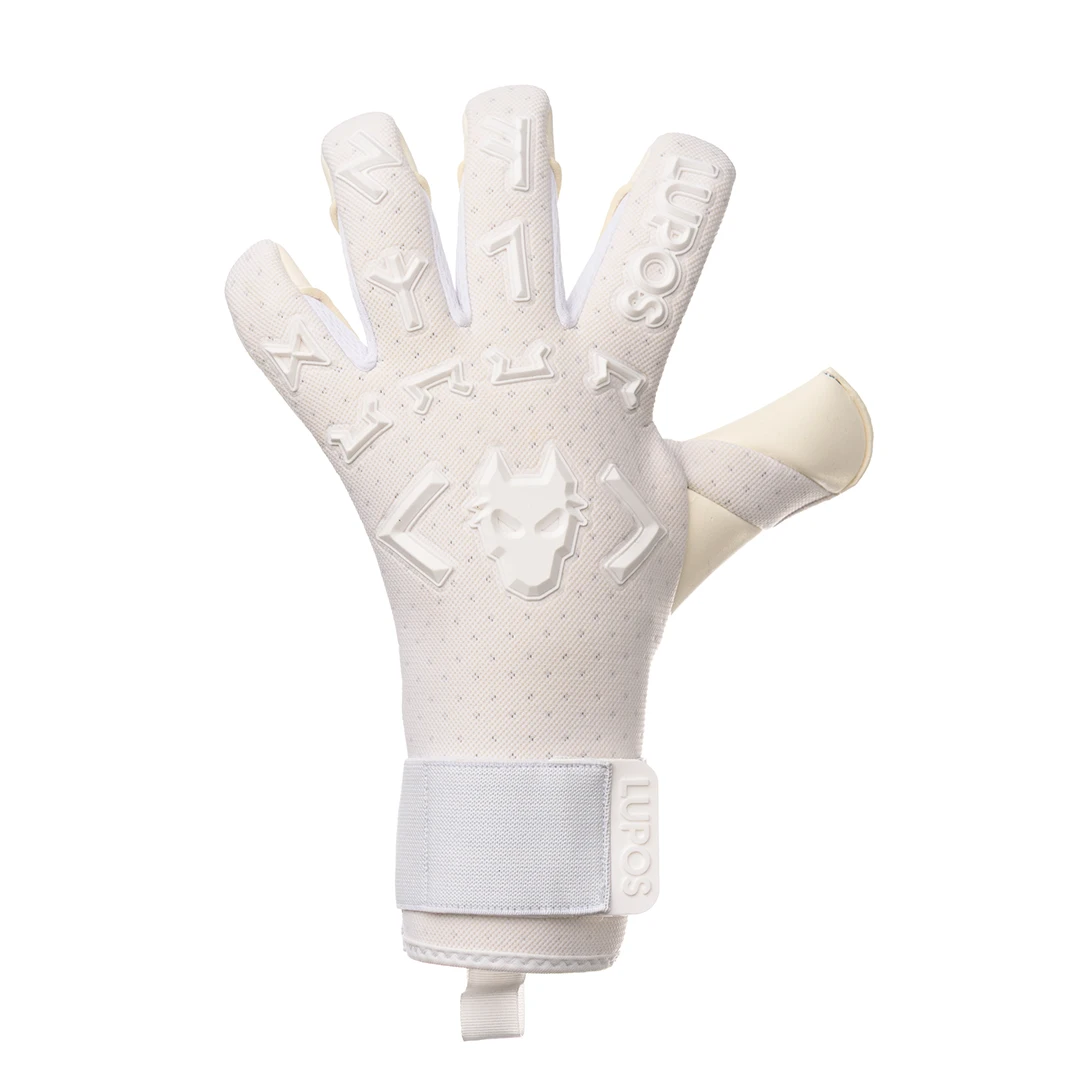
Football is one of the few sports that requires the entire body. Through constant running, quick changes of direction, sprints, jumping and hitting the ball, the child develops his muscles in a balanced way. Regular training contributes to increasing strength, coordination and joint mobility. Moreover, football helps in the correct development of the skeletal system, which is extremely important during childhood. When you take your little one to meet the king of sports, do not forget that he needs goalkeeper equipment or player equipment, depending on his preferences.
Improves cardiovascular health and physical endurance
A key reason why many specialists recommend football for children is the positive impact on heart health. Sustained physical effort trains the cardiovascular system, increases lung capacity and improves blood circulation. Children who play football have greater physical endurance, tire less easily and develop increased tolerance to exercise. This translates into a general state of well-being, a higher level of energy and better immunity.
Football combats sedentary lifestyle and screen addiction
Hours spent in front of the phone, tablet or TV can affect the physical and mental health of the child. Change the game console with a ball, t-shirt and tracksuit for children. Offer your little one an attractive, dynamic and fun alternative to time spent in front of screens. By participating in training and matches, the child is motivated to be active, spend time outdoors and enjoy movement.
Develops discipline, respect and responsibility
Football is not only about talent, but also about discipline. Children learn to respect rules, follow the coach's instructions, and use training equipment and accessories correctly. These aspects contribute to the formation of a responsible and organized character. The child also learns to respect opponents, teammates and referees, which helps him develop values such as fair play, respect and self-control. These qualities are extremely important outside the football field as well.
Football helps develop social skills
As a team sport, football plays a major role in a child’s social development. Young athletes learn to communicate effectively, collaborate and support their peers to achieve a common goal. Shy or withdrawn children can become more open and confident through constant interaction with other children. Football creates a strong sense of belonging to a group, which contributes to the child’s emotional balance.
Increases the child’s confidence and self-esteem
Every progress made on the field – a successful pass, a goal scored or a well-played phase – contributes to increasing self-confidence. The child learns that work and perseverance lead to results, and this strengthens their self-esteem. Recognition from the coach and support from peers have a positive impact on the child’s self-image, helping them become more confident in their own abilities.
Teaches children to manage emotions and setbacks
Football offers valuable life lessons. Children learn to accept both victory and defeat, to manage their emotions and to stay motivated even when things don’t go according to plan. The ability to cope with setbacks is essential for emotional development. Children who play team sports are usually more resilient and better prepared for future challenges.
Stimulates concentration, attention and strategic thinking
During a football match, children have to make quick decisions, anticipate their opponents’ movements and collaborate with their team. This process develops strategic thinking, attention and concentration. Cognitive skills are also extremely useful in the school environment, contributing to better academic performance and increased problem-solving ability.
Creates healthy routines and good time organization
Regular training sessions provide children with a clear time structure. He learns to organize his schedule between school, homework and sports activities, developing important time management skills. It also accustoms him to the routine of caring for and cleaning training equipment, game accessories and other items from the range of products for junior athletes.
Football can provide long-term opportunities
Even if not all children will pursue a sports career, football can open important doors. Participation in competitions, sports camps, scholarships or selections can provide valuable experiences and educational opportunities. In addition, the values and skills acquired through football are appreciated in any field of activity, contributing to long-term success.
Giving your child football is one of the best decisions you can make for his development. The sport contributes to physical health, emotional balance and character formation, providing the child with essential tools for life. Regardless of the level of performance achieved, the benefits of football will be felt in the long term. Choose football, purchase sports equipment from LuposGK and give your child the joy of a fascinating hobby, which he can practice safely.