 EN
EN  Romana
Indoor football is a technical and fast variant of classic football
Futsal is played on a small field, usually in a covered hall, which allows matches to be played regardless of weather conditions. The smaller number of players and the limited space transform the game into an extremely fast one, based on short passes, precise ball control and decisions made in fractions of a second.Unlike large-field football, futsal places a strong emphasis on individual technique, creativity and coordination. The special ball, with low bounce, favors ground play and quick combinations, increasing the spectacle of the phases.
The rules of the game are adapted for dynamism and continuity
The rules of futsal are designed to maintain the high pace of the game. Each team has five players on the field, including the goalkeeper, and substitutions are unlimited and are made on a rolling basis, without stopping the game.Matches are usually played in two halves of 20 effective minutes, with time being stopped at each interruption. Fouls are counted, and exceeding a certain number leads to penalty kicks without a wall, which discourages rough play. Throw-ins are executed with the foot, not the hand, and the goalkeeper has restrictions on possession time, to avoid delaying the game. All these rules contribute to fluidity and constant intensity.
The role of the goalkeeper in futsal is complex and decisive
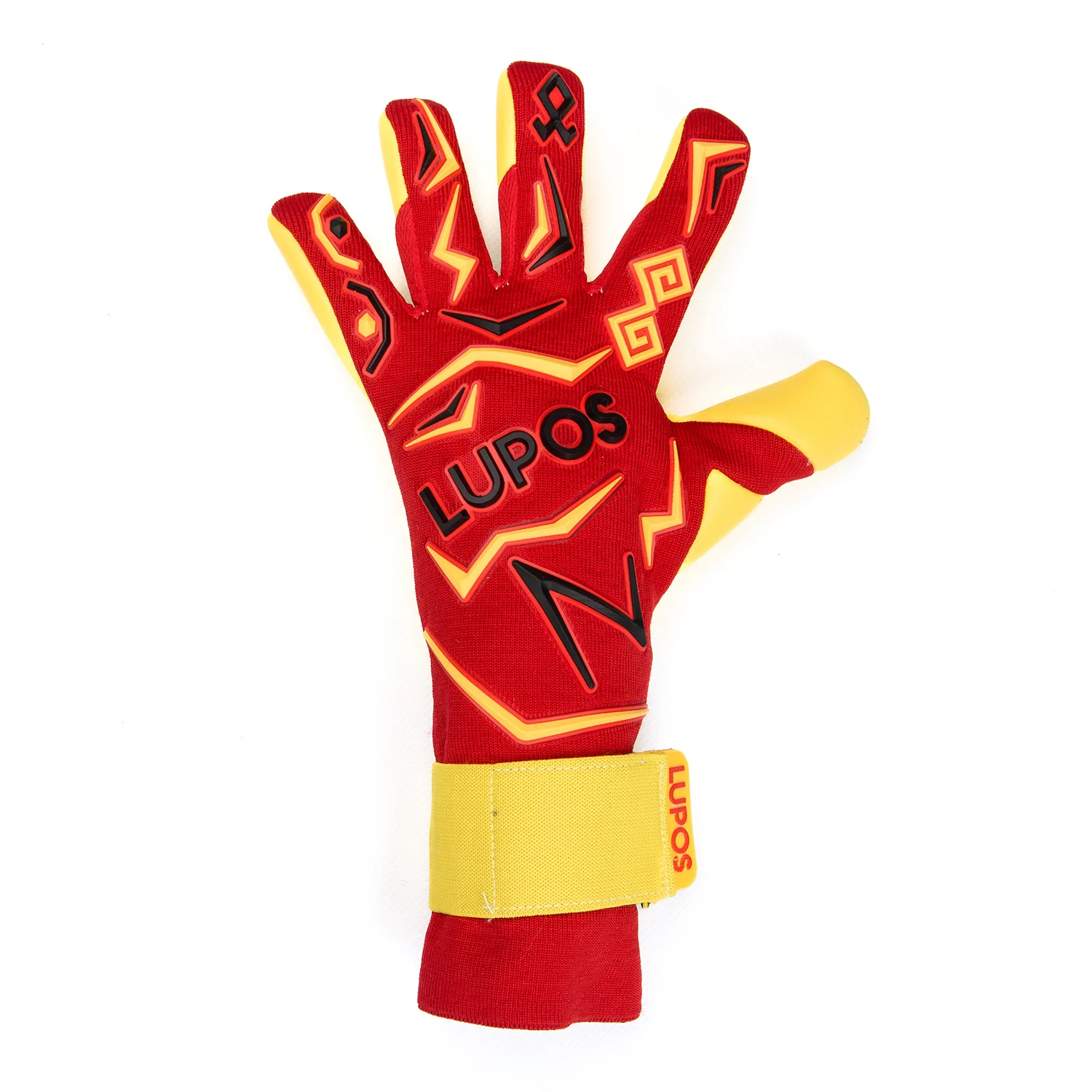
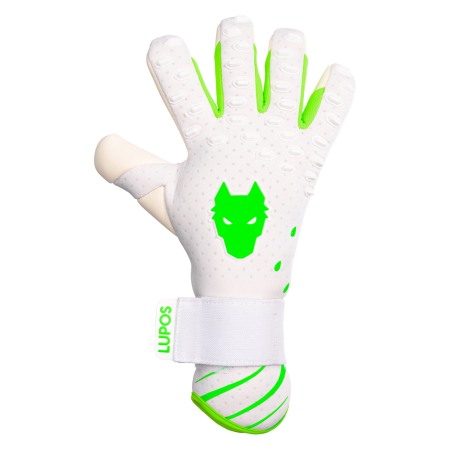
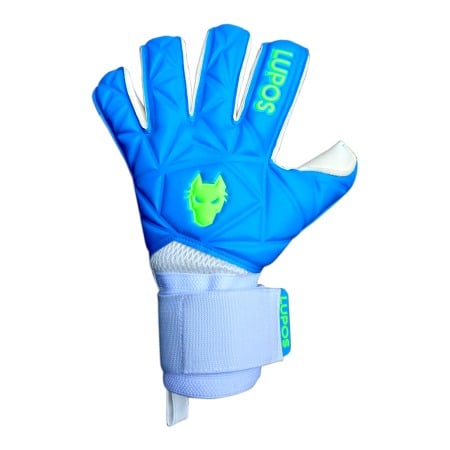
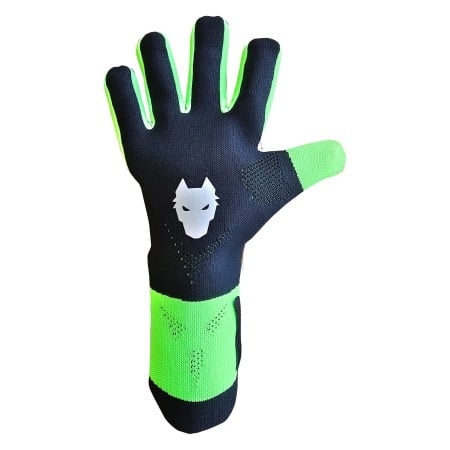
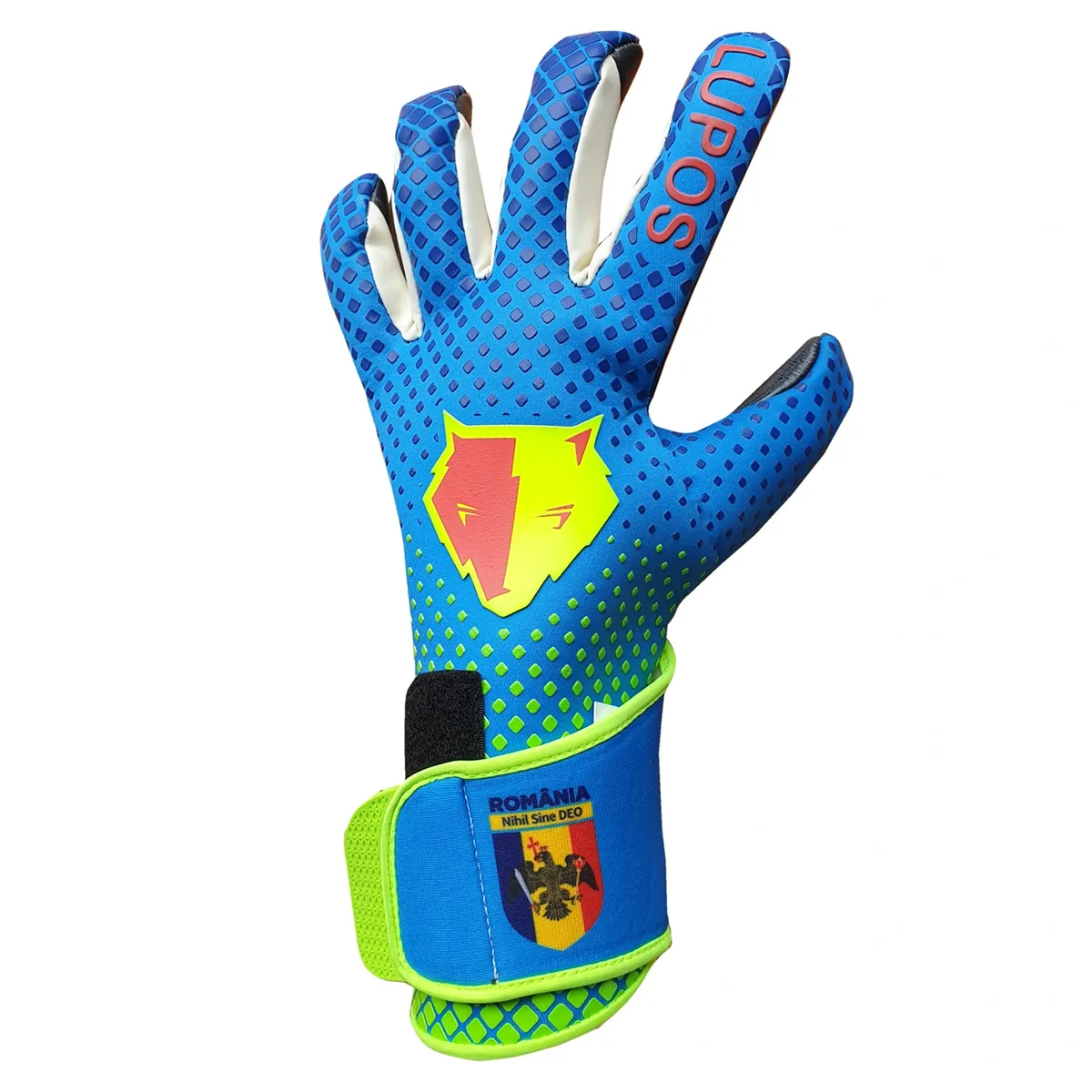
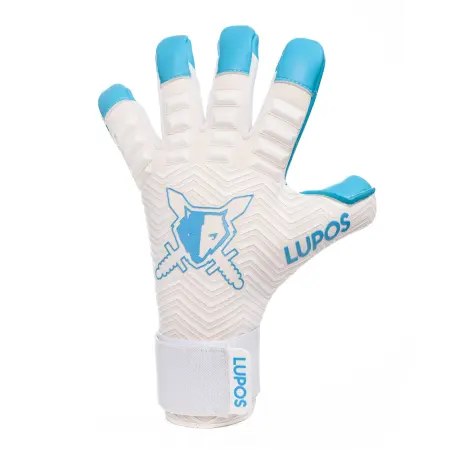
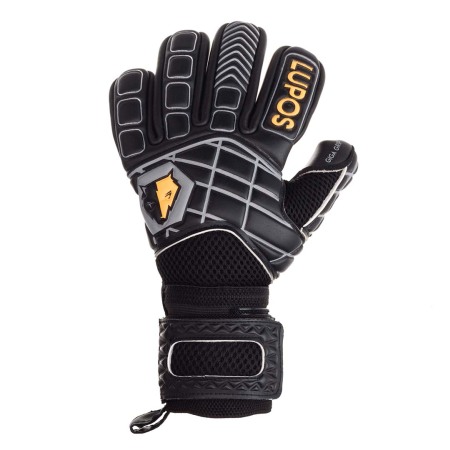
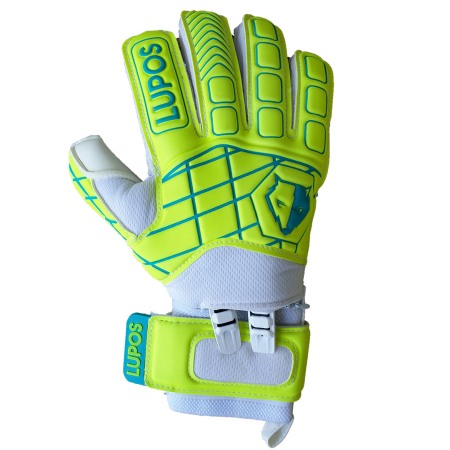
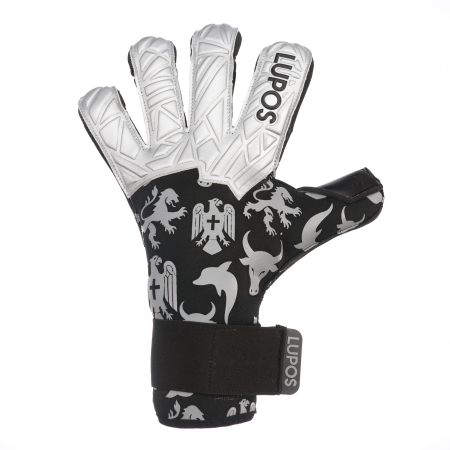
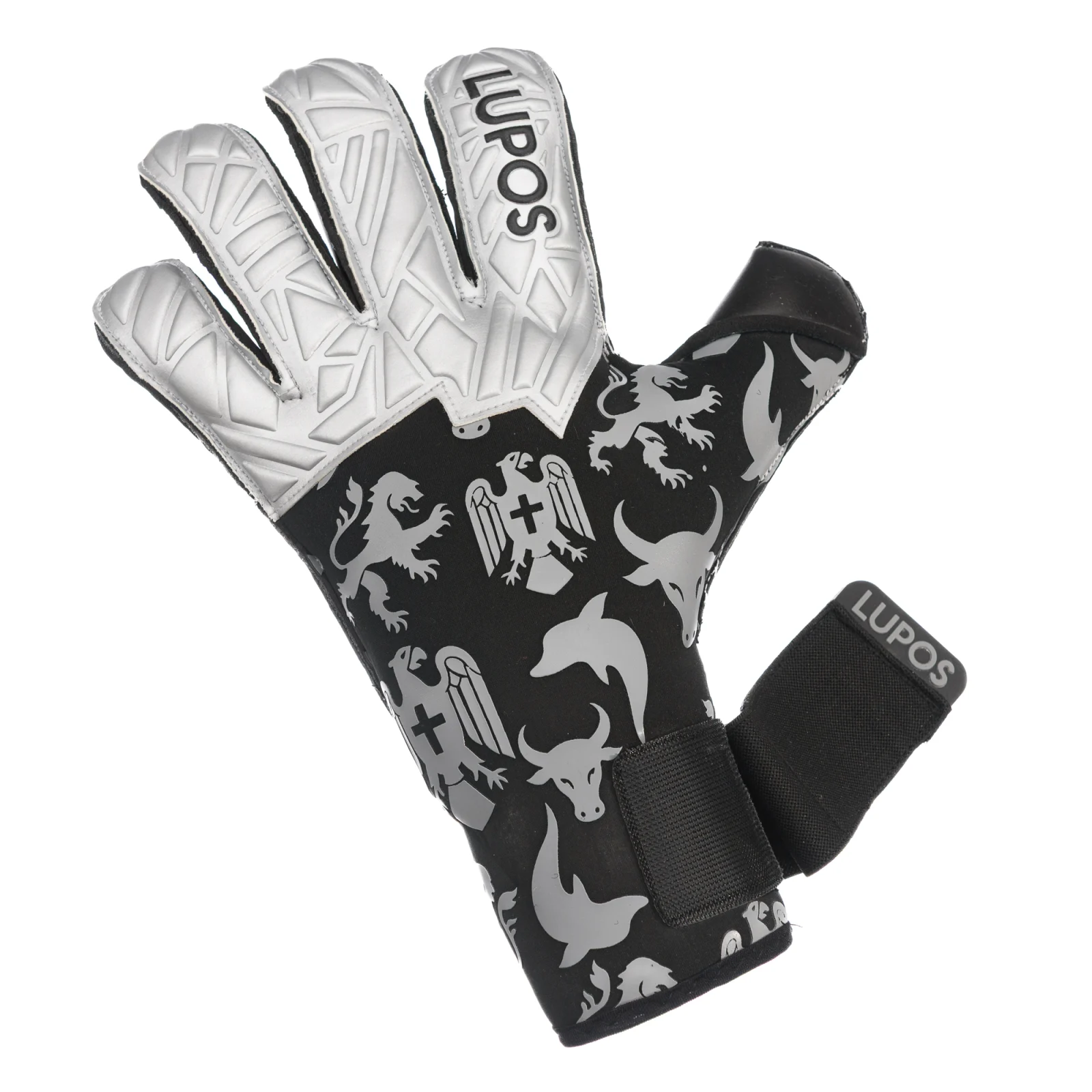
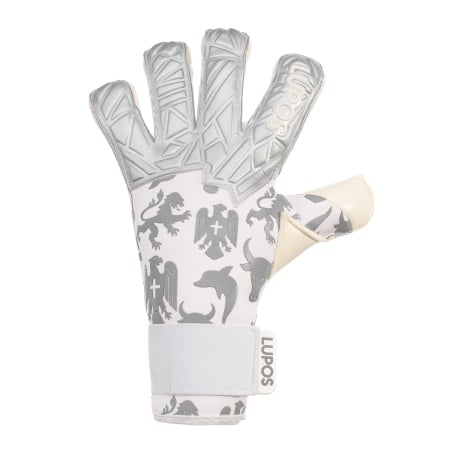
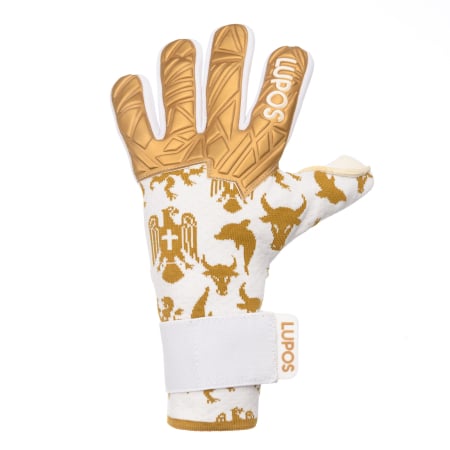
The futsal goalkeeper has a much more active role than in classic football. The limited space and high speed of the phases force him to constantly participate in the construction of the game. Precise clearances, quick passes and advanced positioning are essential elements.For goalkeepers, the requirements are more specific. Often, goalkeepers in futsal do not use gloves, and those who do look for very thin and flexible models, such as Lupos Viper or Lupos Etnic. You can find dedicated models of goalkeeper gloves, designed for fast play and high frequency of interventions.
Interventions take place from short distances, which requires exceptional reflexes, instant reaction and the ability to block angles quickly. Often, the goalkeeper becomes a field player in the attacking phase, providing numerical superiority. Specific training for futsal goalkeepers includes agility exercises, short-distance reaction and advanced footwork.
The pitch and ball influence the style of play
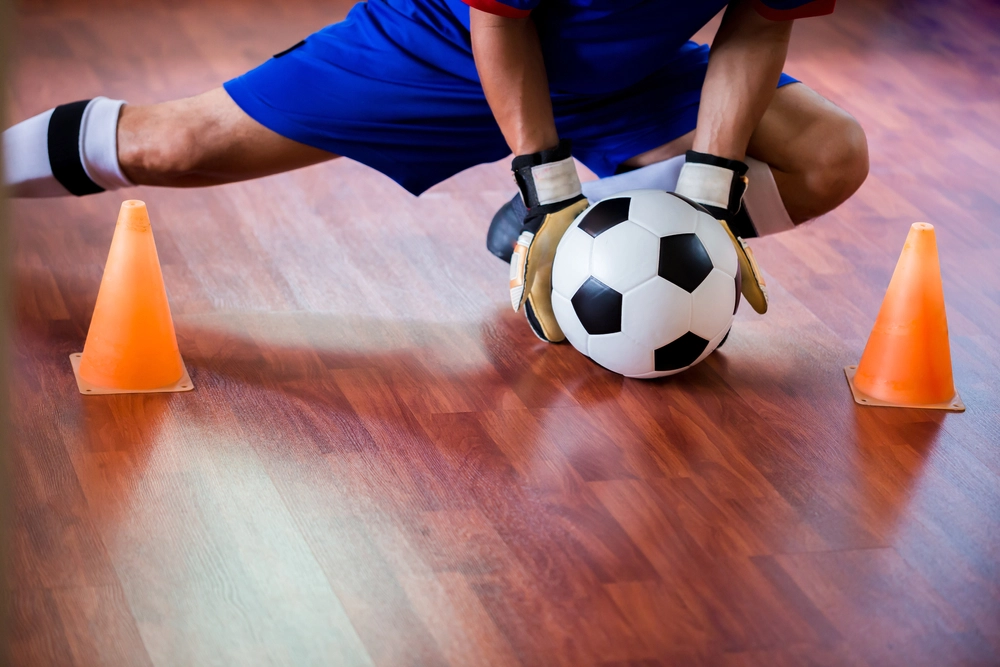
The dimensions of the futsal pitch are smaller than those of a standard football pitch, which reduces space and increases the frequency of one-on-one duels. The surface is usually synthetic or parquet, favoring ball speed and fast movement. The futsal ball is smaller and heavier, with low bounce. This feature encourages ground control, short passes and technical shots, rather than long-distance power shots.
Player equipment ensures safety and performance
Futsal equipment is adapted to indoor playing conditions. Shoes have flat, rubber soles designed for grip on smooth surfaces. Cleats are not allowed. Standard equipment includes a shirt, shorts, leggings and shin guards. The materials are lightweight and breathable, to withstand the intense effort specific to futsal.
Do you play futsal as a goalkeeper? Apply correct steps for cleaning and drying the equipment, described in detail in the guide on the maintenance of goalkeeper gloves. For those who want to deepen the choice of equipment, it is also worth reading the material on the best goalkeeper gloves in Romania, with detailed explanations about grip, latex and durability.
Goalkeeper equipment offers protection and mobility - LuposGK recommendations
Futsal goalkeepers need specialized equipment, adapted to frequent interventions on the ground. Long pants or tights with protection, knee pads and elbow pads are essential for preventing injuries.
Futsal gloves are more flexible than classic football gloves, to allow quick grip and control in small spaces. Footwear must combine grip with lateral mobility, vital in blocking close shots.
Futsal training develops complete skills
Futsal is recognized for its contribution to the technical development of players. Ball control, execution speed and quick thinking are constantly improved by the specifics of the game. For goalkeepers, training includes reactions to short-range shots, footwork and continuous repositioning. The high intensity makes futsal an excellent training tool for performance football.
For varied training, accessories help a lot. Coordination ladders, goalposts or speed rings develop reaction and body control. You can find them in the range of training accessories, suitable for both children and adult athletes.
Frequently asked questions about futsal
Are futsal and futsal the same thing?
Yes, the terms are often used synonymously. “Futsal” is the official international name, derived from the Spanish expression fútbol sala. In Romania, the expression “fotbal în sala” is more often used in everyday language, but the rules and structure of the game are the same.
How many players does a futsal team have?
A futsal team has five players on the field: four outfield players and a goalkeeper. The reserves are on the bench, and substitutions are unlimited and are made during the game, without stopping the game.
How long does a futsal match last?
An official match is played in two halves of 20 effective minutes each. The timer stops at each interruption, which makes the intensity of the game much higher than in classic football.
What type of ball is used in futsal?
The futsal ball is smaller and heavier than a soccer ball, with a reduced bounce. This feature favors ground play, technical control and quick passes.
Does the goalkeeper have different rules than in classic football?
Yes. The futsal goalkeeper has a more active role in the construction of the game and must respect certain restrictions, such as limited possession time in his own half. It also occurs more often with short-range shots. Therefore, special goalkeeper equipment for indoor football should be purchased.
What footwear is suitable for futsal?
Indoor sports shoes with flat rubber soles are used, specially designed for indoor surfaces. They provide grip, stability and lateral mobility, essential for quick changes of direction.
Is futsal useful for the development of young footballers?
Yes, futsal is considered one of the most effective methods of technical development. The limited space forces players to think quickly, control the ball precisely and make decisions under pressure.
What additional equipment is recommended for goalkeepers?
Goalkeepers often use long pants or tights with protectors, knee pads, elbow pads and flexible gloves. These provide protection from frequent interventions on the ground and from close shots.
Indoor football, or futsal, is a spectacular discipline that combines technique, speed and strategy in a dynamic space. Contact LuposGK specialists and find out up-to-date information about the adapted rules, the complex role of the keeper.