 EN
EN  Romana
Football is today the most popular sport in the world, played by millions of players and watched by billions of fans. From matches played on makeshift pitches to elite international competitions, the evolution of this sport has been spectacular. Understanding the history of football and the rules of the game is essential for both players and enthusiasts, especially for those who want to perform on the field, including as a goalkeeper. Why do we love football? Find out from LuposGK the most interesting details about the king sport:
The origins of football define the evolution of modern sport
Primitive forms of football have existed since Antiquity, being practiced in China, Greece or Rome. The games involved kicking a ball with the foot, but the rules were different from today's ones. It was not until the European Middle Ages that variants closer to modern football appeared, although these were often chaotic and lacking standardization.The decisive moment for the birth of organized football took place in 19th-century England. British schools and universities began to establish clear rules, separating football from rugby. In 1863, The Football Association was founded, the institution that formalized the first unified rules of the game and laid the foundations of modern football.
Standardization of rules transformed football into a global sport
After the appearance of official rules, football spread rapidly in Europe and then worldwide. FIFA was founded in 1904, with the role of administering and developing international competitions. The introduction of the World Cup in 1930 consolidated the global status of the sport.Standardization allowed the organization of professional competitions, the development of tactics and the specialization of positions, including that of goalkeeper. With the professionalization of the game, the importance of sports equipment for matches and training also increased.
The structure of the field and teams sets the framework of the game
A football match is played between two teams of 11 players each, one of whom is the goalkeeper. The field is rectangular, with two goals located at opposite ends.The dimensions of the field, the markings, the playing surface and the equipment are strictly regulated. The goalkeeper is the only player who is allowed to use his hands, which is why the standard equipment is provided with goalkeeper gloves. The goalkeeper can only touch the ball with his hands inside his own box, his role being essential in defending the goal and initiating the phases of the game.
The duration and course of the match define the pace of the competition
A formal match has two halves of 45 minutes each, with a break in between. The referee can grant extra time for interruptions or decide on additional halves in knockout competitions.The pace of the game is influenced by tactics, the level of the teams and the competitive context. For goalkeepers, concentration must be maintained throughout the match, and equipment – especially gloves – plays a crucial role in the safety of interventions.
Fundamental rules ensure fairness
Football is based on a clear set of rules established by the IFAB. These include the ban on handball for field players, the offside rule, sanctioned fouls and the methods of restarting the game.Free kicks, penalties, throw-ins or corners are standardized situations that can decisively influence the outcome. For goalkeepers, set pieces are moments of maximum pressure, requiring quick reflexes and appropriate protective equipment.
Players' equipment influences performance and safety
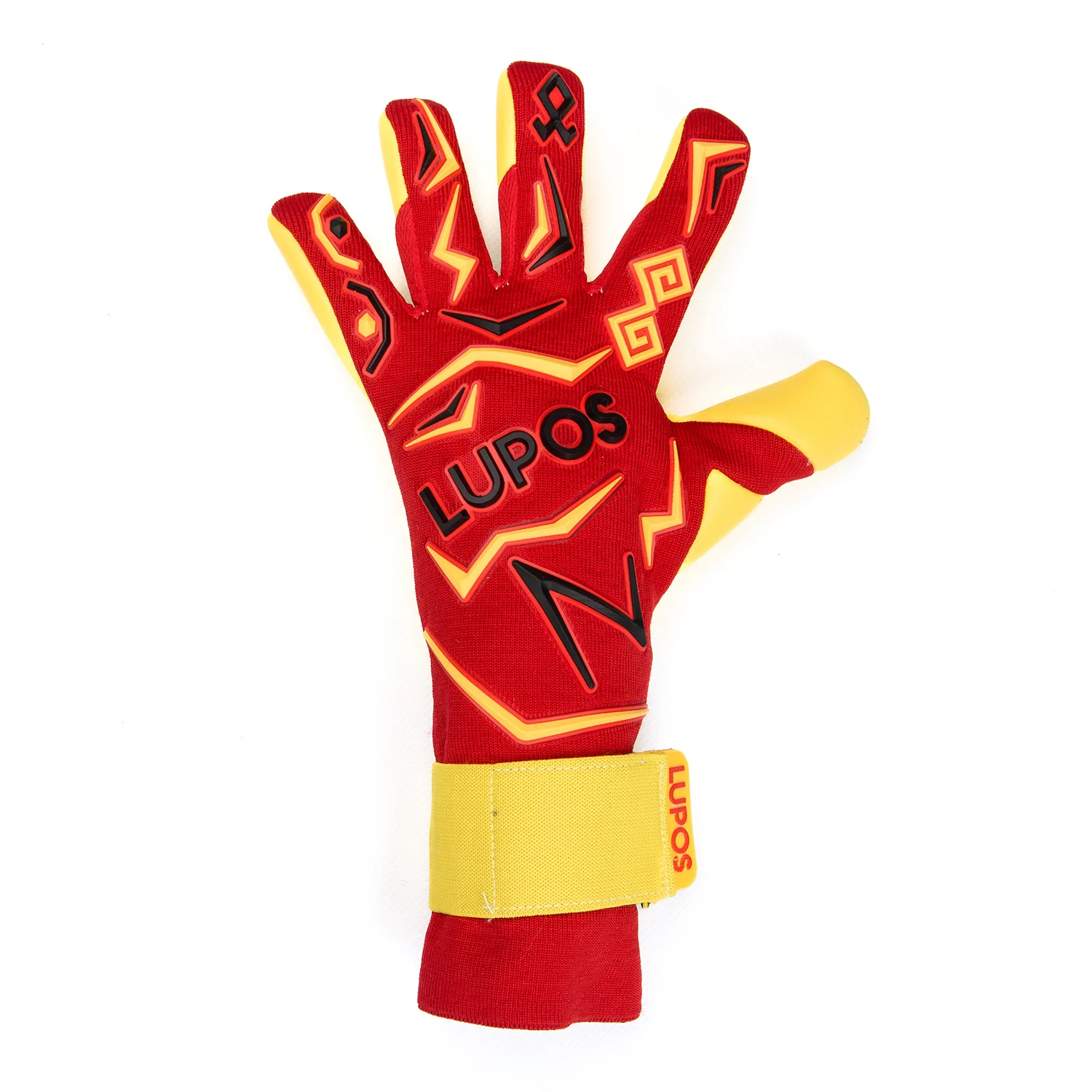
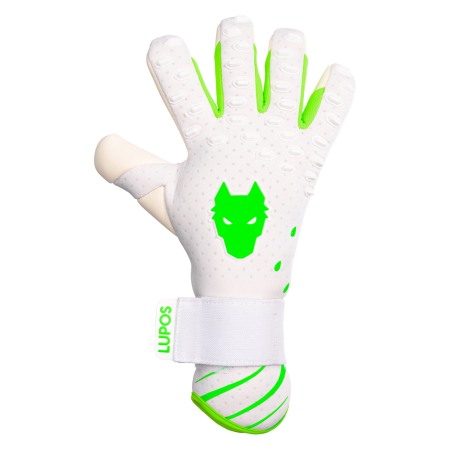
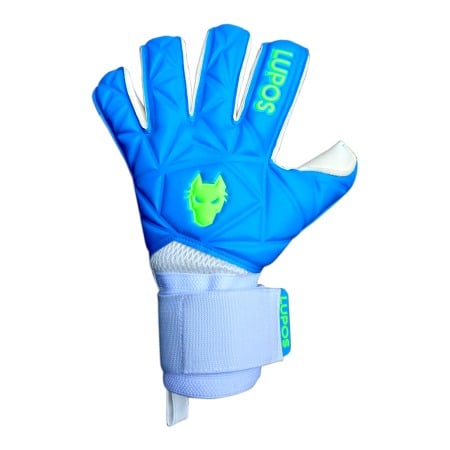
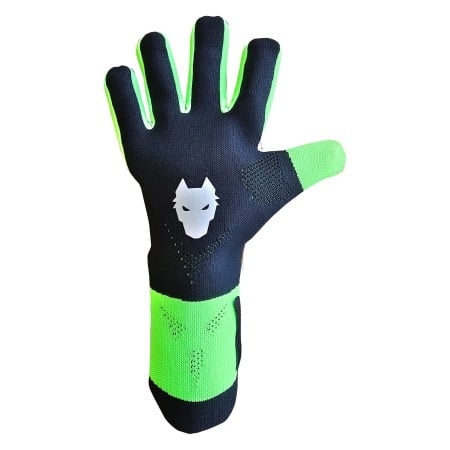
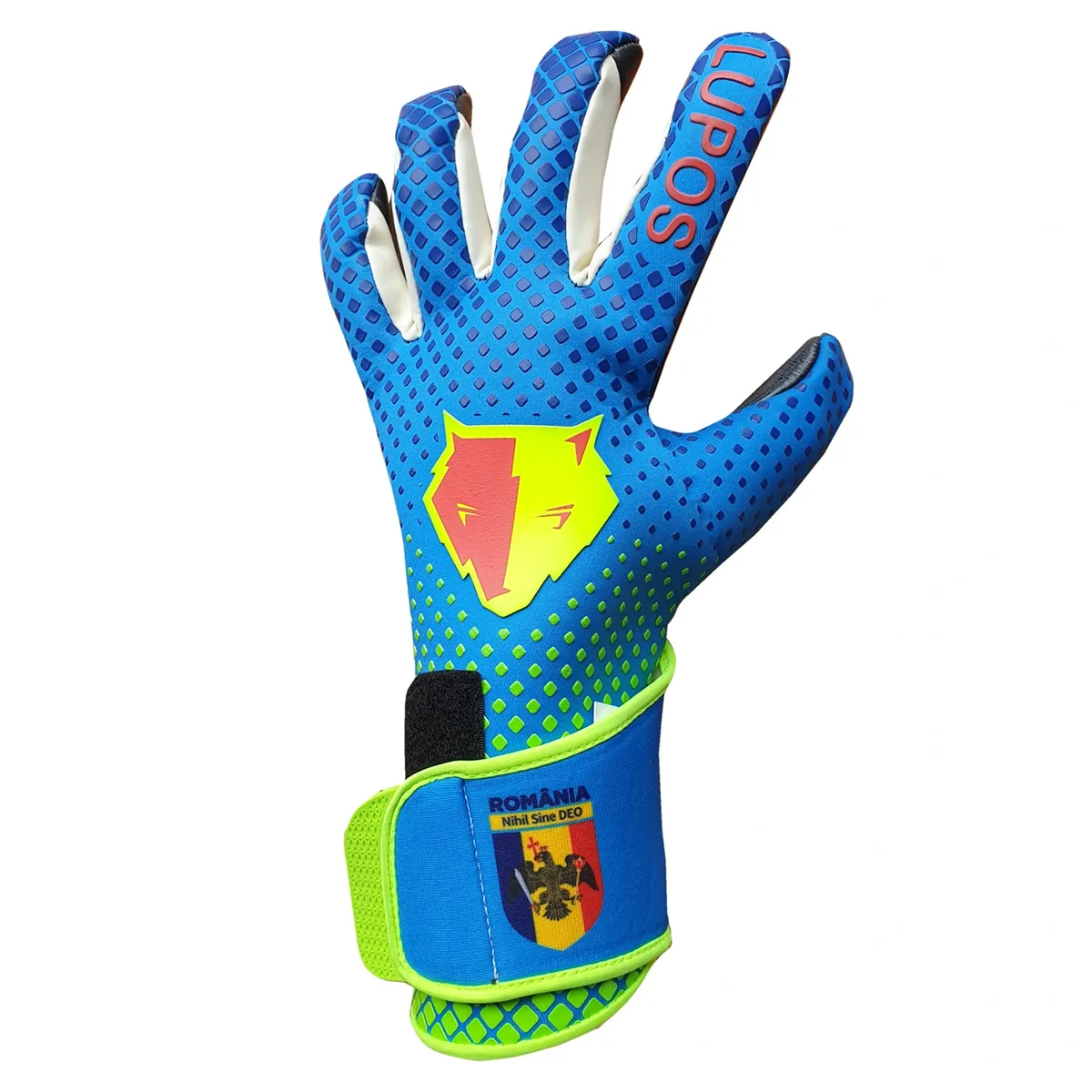
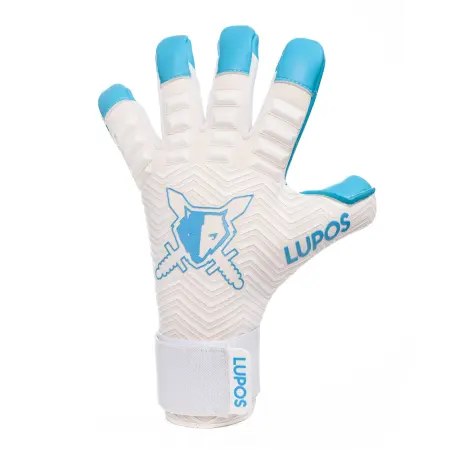
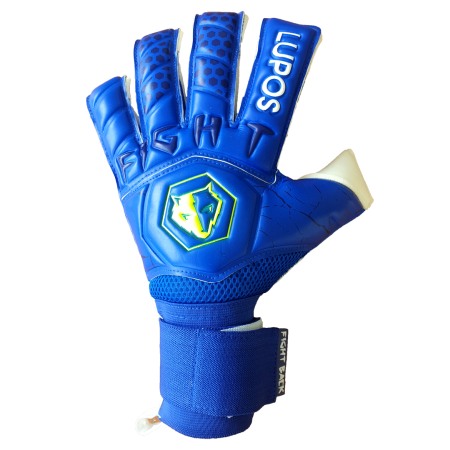
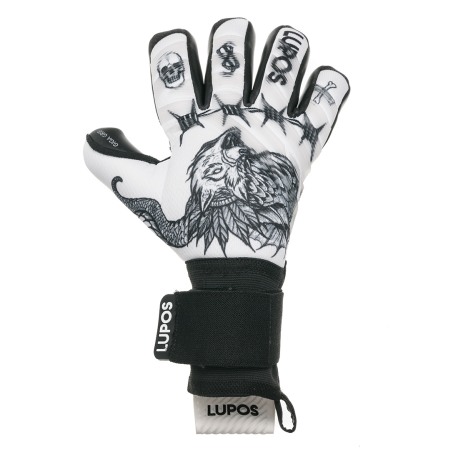
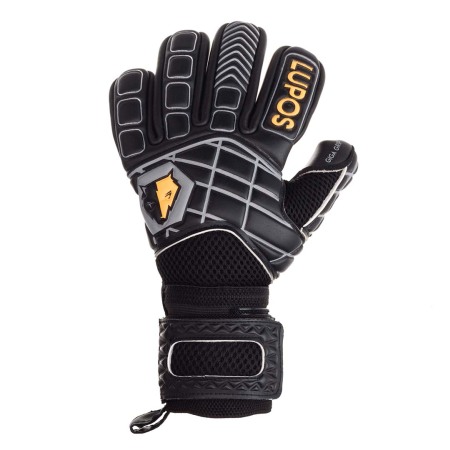
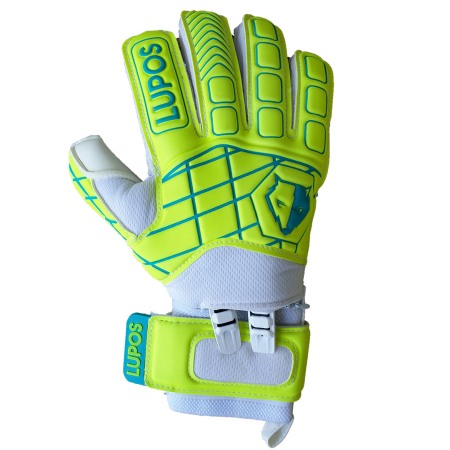
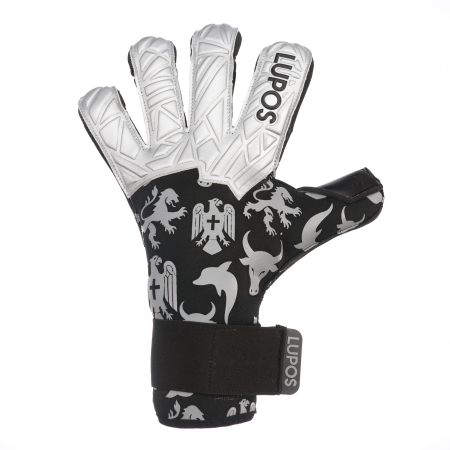
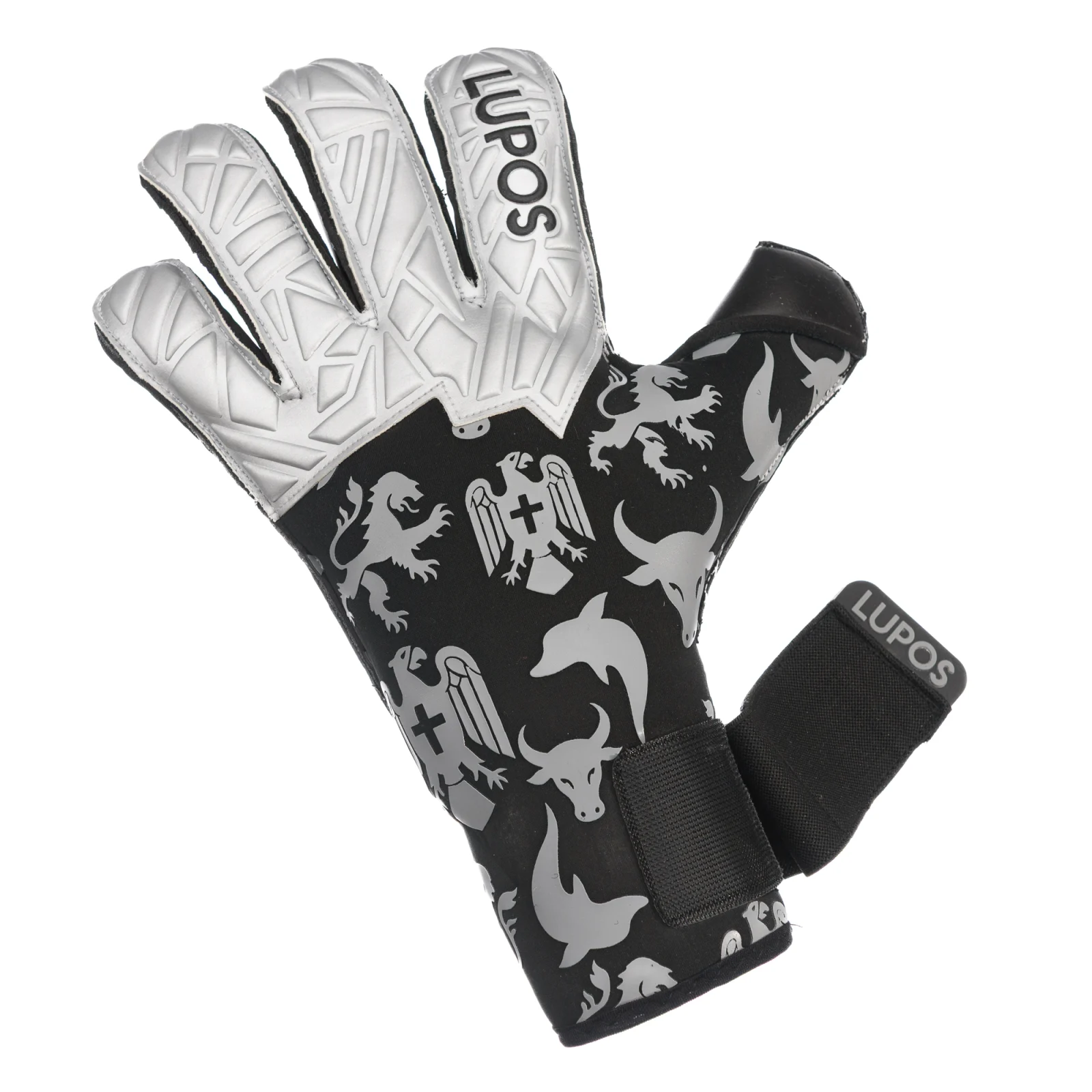
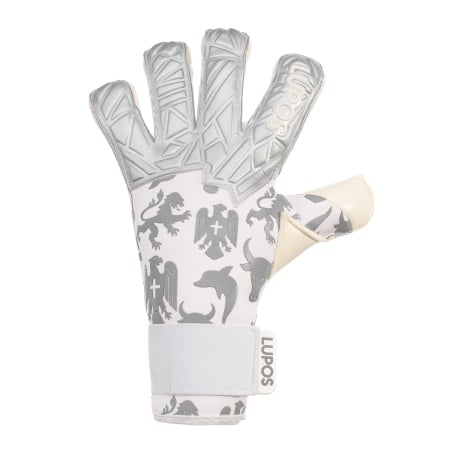
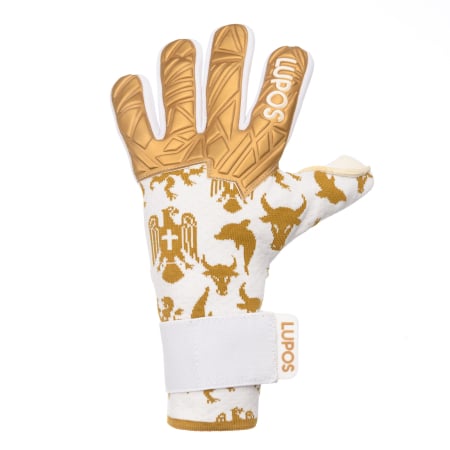
The rules of the game impose mandatory equipment: shirt, shorts, leggings, protectors and boots. Goalkeepers have distinct equipment, including specialized gloves for grip, cushioning and finger protection. The evolution of technology has led to the emergence of professional latex, ergonomic cuts and finger save protection systems.For children at the beginning, dedicated models offer comfort and control. An example is the Lupos Primo children's goalkeeper gloves, designed for regular training.
Advanced players can analyze the entire range of goalkeeper products and equipment and consult the guide on the best goalkeeper gloves in Romania, useful for informed choices.