 EN
EN  Romana
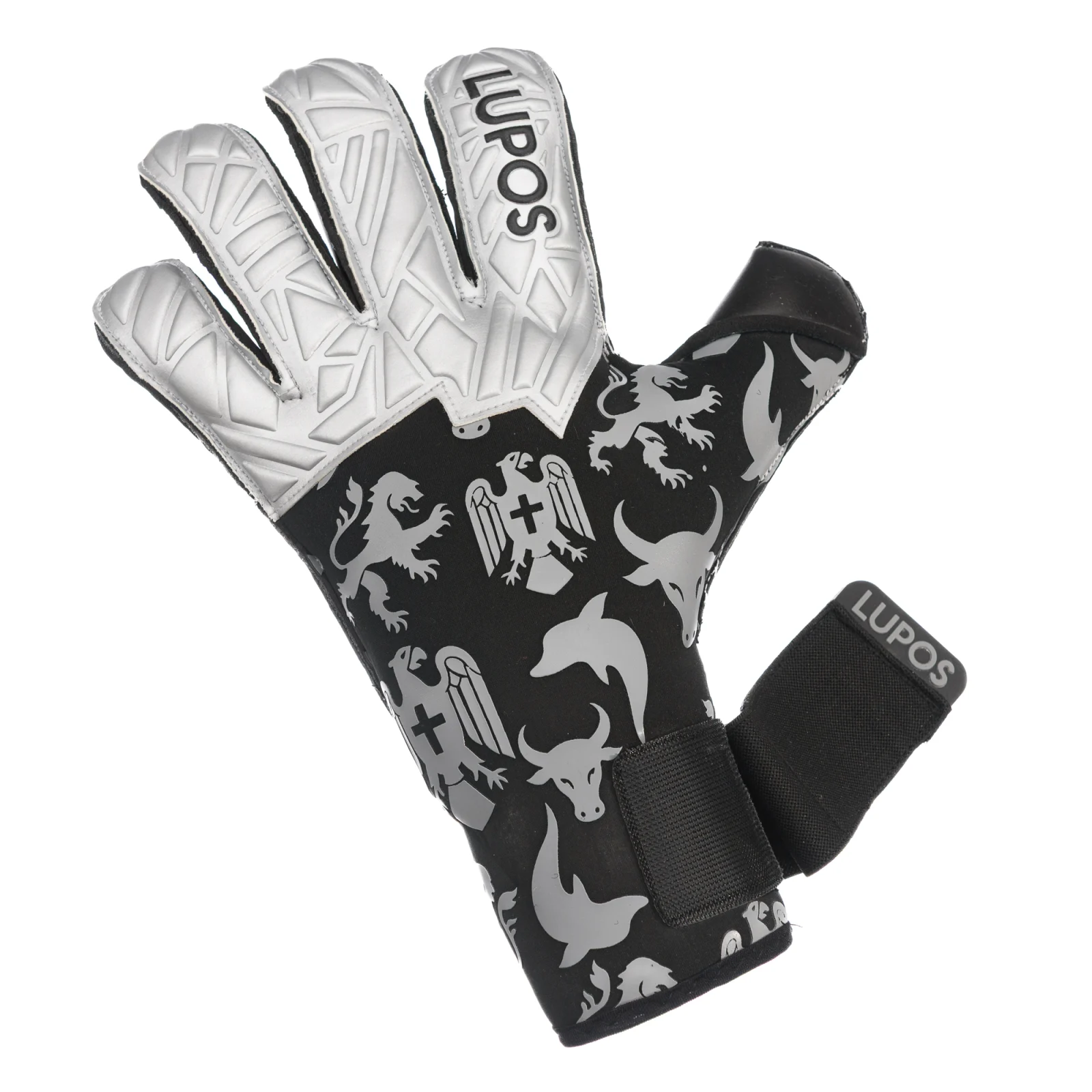
Goalkeeper gloves are the most important piece of equipment for any keeper, and choosing and maintaining them correctly is essential for performance. LuposGK presents the most effective methods to prevent premature wear of goalkeeper gloves, recommended for both amateur and professional goalkeepers.
Use Different Gloves for Training and Matches
Match latex is softer and wears out quickly when used intensively in training sessions. The most effective way to extend the lifespan of your gloves is to have at least two pairs: one for official games and one for training. Training gloves can be made with more durable latex, while match gloves retain their high quality for important moments.
Activate the Grip Before Use
Many modern glove models require “activation” to reach maximum grip. This process involves lightly moistening the palms with water before entering the field. Moisture helps the latex become more elastic, preventing micro-tears that occur during sudden movements, especially on dry surfaces.
Avoid Excessive Rubbing Against the Ground
Many keepers—especially beginners—tend to place their palms on the grass or push off the ground using their gloves. This movement quickly damages the latex. Try standing up using your legs or forearms instead, avoiding palm contact with the surface, especially on hard or synthetic fields.
Use Only Water When Cleaning
Harsh soaps or chemical products can damage the latex structure. The safest cleaning method is washing the gloves with cold or lukewarm water, optionally using a special goalkeeper glove cleaner. Rinse thoroughly and avoid rubbing the latex aggressively, as it becomes more fragile when wet.
Wash the Gloves Immediately After Use
Dust, sand, and dirt get into the pores of the latex and cause it to stiffen over time. To prevent this, wash your gloves within the first 30 minutes after your game or training session. If left dirty, abrasive particles will destroy the grip. Proper cleaning helps all goalkeeper equipment last longer and perform better.
Proper Drying Extends the Lifespan of Goalkeeper Gloves
Drying gloves in direct sunlight, on radiators, or in a dryer can permanently damage the latex. Gloves must be dried at room temperature, in a ventilated area, away from heat sources. Do not wring them out—remove excess water by gently pressing with a towel.
Store the Gloves in a Ventilated Space
After drying, gloves should not be left in bags or enclosed spaces, as moisture encourages mold and latex stiffening. Use a special ventilated glove bag that allows airflow and helps the gloves maintain their properties.
Avoid Using Match Gloves on Synthetic Surfaces
Artificial turf is more abrasive than natural grass. If you train on such surfaces, use training gloves with more durable latex. Keep your professional gloves for important matches, preferably on natural grass, to reduce premature wear. LuposGK provides full details about different types of goalkeeper glove latex so you can choose the right model every time.
Do Not Stretch or Twist the Palm Area
Latex can detach or tear if the glove is excessively stretched while putting it on or taking it off. Use the correct technique by pulling from the wrist area, not the palm. This simple detail prevents damage to the grip layer.
Use a Special Latex Protection Spray
Professional products exist specifically to protect latex, maintain elasticity, and improve grip. A protective spray applied regularly can double the lifespan of the gloves, especially in cold weather or on difficult playing surfaces. Regular application keeps the latex moisturized, flexible, and high-performing.
Premature wear of goalkeeper gloves can be easily prevented by following a few essential care and usage rules. Whether you're an amateur or a professional goalkeeper, these methods can significantly extend the lifespan of your gloves and improve your overall performance.